Key takeaways:
Many people with gallstones don’t have symptoms and don’t need their gallbladder removed.
You may need surgery if gallstones cause repeated pain or serious problems, like gallbladder inflammation, pancreatitis, or an infection.
Gallstone pain doesn’t always mean you need surgery right away. Your healthcare team can help you decide when surgery makes sense.
Gallstones are hard deposits that form inside your gallbladder. They're common, but having gallstones doesn't always mean you need your gallbladder removed. In fact, most people with gallstones never have symptoms or serious problems.
You may need surgery if your gallstones cause repeated pain or other health complications. But even if you have pain from gallstone, you may not need surgery right away. Here are the signs that you may need your gallbladder removed and when it may be safe to wait.
What are signs you need your gallbladder removed?
Your gallbladder is a small organ that stores bile, a fluid that helps your body digest fat. Hard deposits called gallstones can form inside your gallbladder. Most gallstones never cause problems. But sometimes, a gallstone can block the flow of bile and cause pain or other health problems.
You’re more likely to need your gallbladder removed if gallstones cause any of the following:
Gallbladder inflammation: A gallstone can block the flow of bile out of your gallbladder. This can cause swelling and inflammation inside the gallbladder, a condition called acute cholecystitis. Treatment usually includes surgery to remove your gallbladder.
Gallstones in a bile duct: A gallstone can leave your gallbladder and get stuck in one of the tubes that carry bile. The stone usually needs to be removed. You may also need your gallbladder removed at the same time.
Pancreatitis: Gallstones can block the flow of fluids from your pancreas, causing it to become inflamed. This is called pancreatitis. Removing your gallbladder can help keep this from happening again.
Cholangitis: A blocked bile duct can become infected. This is a serious condition that needs treatment right away with antibiotics. You may also need your gallbladder taken out.
Repeated gallstone pain: Gallstones can cause attacks of pain called biliary colic. If the pain keeps coming back, you and your healthcare team may decide that removing your gallbladder is the best option.
What does gallstone pain feel like?
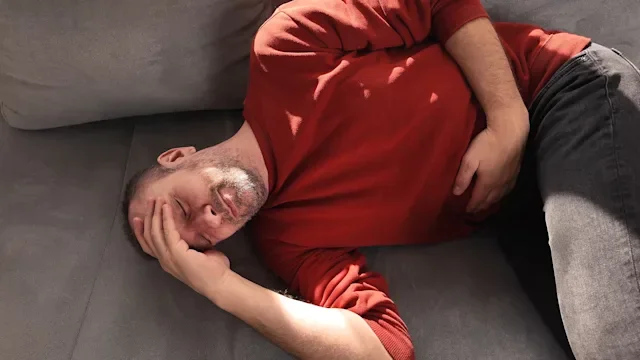
Gallstone pain, also called biliary colic, happens when a gallstone temporarily blocks the opening of your gallbladder. Gallstone pain usually:
Starts in the upper right or upper middle part of your abdomen
May travel to your back or right shoulder
Lasts from several minutes to several hours
May start after eating
May happen along with nausea or vomiting
Having biliary colic doesn’t necessarily mean you need emergency surgery. But once gallstones start causing symptoms, you're more likely to have another attack or develop a complication. Talk with your healthcare team about whether planned gallbladder surgery makes sense for you.
Do you need your gallbladder removed if you have gallstones?
No. You don’t always need your gallbladder removed if your gallstones aren’t causing pain or other health problems.
In this case, your gallbladder can remain in place, and you can watch for symptoms. Only a small number of people with gallstones develop serious complications. So, you may never need to have gallbladder surgery.
When can you safely avoid gallbladder surgery?
You can usually avoid gallbladder surgery if you have gallstones that aren’t causing symptoms. You can wait and see if any symptoms develop. It’s possible that you’ll never develop symptoms and never need surgery.
If you have biliary colic (gallstone pain) but no other complications, you may need surgery. But not right away. Your healthcare team can help you decide the best time to have your gallbladder removed and whether to try other treatments first.
You’ll need your gallbladder removed right away if your gallstones cause complications like:
Gallbladder inflammation (cholecystitis)
Pancreas inflammation (pancreatitis)
Cholangitis (inflammation in the bile ducts)
What happens if you don't get your gallbladder removed?
What happens if you don't have surgery depends on why gallbladder removal was recommended. You may need urgent treatment and gallbladder surgery if you have a serious gallstone complication, such as acute cholecystitis, pancreatitis, or cholangitis. Without treatment, these conditions can get worse and lead to serious health problems.
If you have biliary colic without a complication, you usually don't need emergency surgery. Your healthcare team may recommend planned surgery to prevent more gallstone attacks and lower your risk of complications.
Frequently asked questions
Some people still have abdominal pain after gallbladder removal. The pain may come from another digestive problem that was causing symptoms before surgery or by a new problem that developed afterward. Less commonly, a stone may remain in or form in a bile duct after surgery. Talk with your healthcare team about ongoing or new pain. They can help you figure out what’s causing your pain.
Your healthcare team may recommend slowly returning to your normal diet during the first few days after gallbladder surgery. Over time, most people can eat a balanced diet that includes vegetables, grains, and protein-rich foods. You don't have to avoid specific foods, but fatty foods can cause diarrhea or gas in some people. You may want to limit these foods if you develop uncomfortable symptoms after eating them.
Yes, you can get gallstones even if you don’t have a gallbladder anymore. Stones can still be left behind or form in your bile ducts, which carry bile from your liver. These stones can cause pain and complications. They may need to be removed with surgery.
There's no set amount of time for a gallstone to pass. Gallstone pain can last from about 30 minutes to several hours. Get medical care right away if you have severe pain or pain that doesn't go away, especially if you also have vomiting or yellowing of your skin or eyes. These can be signs of a stuck gallstone, which needs urgent medical care.
The bottom line
Having gallstones doesn’t always mean you need your gallbladder removed. If they aren’t causing symptoms, you may never need surgery. Even if you have gallstone pain, you may be able to plan surgery instead of having it right away. But some gallstone problems need urgent treatment and surgery. Your healthcare team can help you decide on the best treatment plan.

Why trust our experts?



References
Ahmed, I., et al. (2023). Effectiveness of conservative management versus laparoscopic cholecystectomy in the prevention of recurrent symptoms and complications in adults with uncomplicated symptomatic gallstone disease (C-GALL trial): Pragmatic, multicentre randomised controlled trial. BMJ.
Comes, D. J., et al. (2024). Restrictive strategy vs usual care for cholecystectomy in patients with abdominal pain and gallstones. 5-year follow-up of the SECURE randomized clinical trial. JAMA Surgery.
Kousgaard, N., et al. (2024). Symptomatic uncomplicated gallstone disease is associated with a high short-term risk of gallstone-related complications: A contemporary cohort study. Scandinavian Journal of Gastroenterology.
Latenstein, C. S. S., et al. (2022). Tailoring diagnosis and treatment in symptomatic gallstone disease. The British Journal of Surgery.
Patel, H., et al. (2024). Gallstone disease: Common questions and answers. American Family Physician.