Key takeaways:
Baby aspirin is an over-the-counter (OTC) medication. It’s commonly used for heart attack and stroke prevention. But its effectiveness in improving fertility is unclear.
Baby aspirin might help fertility in some people, like those who’ve had a recent miscarriage. But it’s not recommended by the American College of Obstetricians and Gynecologists (ACOG) as a routine medication to improve pregnancy outcomes, except in people at high risk of preeclampsia.
Don’t start taking baby aspirin without talking to your healthcare team. They can help you decide whether taking baby aspirin for fertility is right for you.
Save on related medications
Infertility is a medical condition that can cause significant stress. It’s defined as the inability to get pregnant after having unprotected sex for 1 year.
And it's fairly common. In the U.S., 19% of women are unable to get pregnant after trying for 1 year. Luckily, many people can overcome infertility with treatment. This includes certain medications, as well as medical procedures like intrauterine insemination (IUI) and in vitro fertilization (IVF).
When you think of fertility medications, you may not think of the common over-the-counter (OTC) medication aspirin. But some research suggests that low-dose aspirin (known as “baby aspirin”) may help with infertility in certain people.
Search and compare options
So, how effective is low-dose aspirin for fertility? And is it recommended?
What’s baby aspirin?
Aspirin is in a group of medications called nonsteroidal anti-inflammatory drugs (NSAIDs). It’s commonly used to treat pain, fever, and inflammation. It does this by blocking two proteins — cyclooxygenase-1 and -2 (COX-1 and COX-2) — that make a group of chemicals called prostaglandins. Prostaglandins can cause your body temperature to rise, along with pain and inflammation.
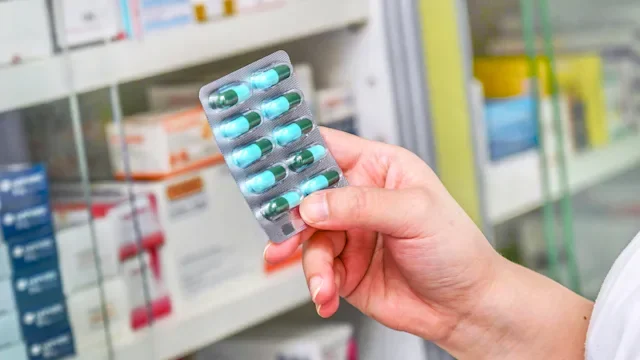
At low doses, aspirin can help prevent blood clots. Low-dose aspirin (81 mg) is commonly referred to as baby aspirin. It works by preventing platelets from clumping together. Platelets are blood cells that join together to form clots and stop bleeding. Baby aspirin is beneficial for some people because some serious medical events (like heart attacks and strokes) occur due to blood clots. For example, baby aspirin can help prevent another heart attack in people who have already had one.
Can baby aspirin help with fertility?
It’s possible, but it probably only helps in certain situations. Below, we’ll discuss what we know about baby aspirin and fertility. This includes chances of becoming pregnant or having a miscarriage. We’ll also cover baby aspirin use in IVF.
Chance of becoming pregnant
A 2014 study of over 1,000 people looked at the effects of taking baby aspirin (81 mg) before and during pregnancy. The study was called the Effects of Aspirin in Gestation and Reproduction (EAGeR) trial.
The researchers wanted to know if baby aspirin made live birth (having your baby born alive) more likely in people with previous miscarriages (loss of a pregnancy). The study looked at 2 groups of people between the ages of 18 and 40:
Women who had a miscarriage within the past year, and before the 20th week of pregnancy
Women who’ve had one to two miscarriages at any point in their life, and any point during pregnancy
According to the study results, baby aspirin only had a positive effect in the first group of women. This was the women who had a miscarriage in the past year (before the 20th week of pregnancy). In this group, the study found that baby aspirin raised the likelihood of getting pregnant. And this led to a higher rate of live births.
There was no effect on the second group of women. This was the group with one to two miscarriages at any point in their life and at any point during their previous pregnancies.
Risk of miscarriage
The EAGeR study didn’t show that baby aspirin lowered the risk of miscarriage.
However, a separate study re-examined the EAGeR study and found different results. These researchers found that women with one or two miscarriages experienced fewer miscarriages when they took baby aspirin consistently (at least 4 days per week).
And another study found that women who previously had at least 1 late miscarriage (after the 13th week of pregnancy) had a greater chance of live birth when taking aspirin 75 mg. But aspirin didn’t have any effect on participants who had had multiple miscarriages in the first half of their pregnancy. These results may indicate that blood clots are a more likely cause of late miscarriages — and that aspirin may be able to help prevent this.
Some women have a condition known as antiphospholipid syndrome — an autoimmune disorder that causes blood clots. For these women, taking aspirin and other blood-thinning medications can help decrease the rate of miscarriages.
IVF outcomes
IVF is a medical treatment that can help you become pregnant. It involves several steps, including the retrieval of an egg from a woman’s body. The egg is then combined with sperm in a laboratory, which may form an embryo. When an embryo is formed, it’s returned to a woman’s body with the goal of becoming pregnant.
IVF involves a lot of medications. Whether baby aspirin should be one of these medications is unclear. Current research has mixed results. For example, a review of 13 randomized controlled trials (RCTs) —the best kind of study to look for cause-and-effect — looked at whether low-dose aspirin (between 80 mg and 100 mg) improved IVF outcomes. This includes the chance of becoming pregnant and having a live birth. The review found that low-dose aspirin didn’t improve IVF outcomes. But the researchers noted that many of the studies were low quality.
A different review of 13 RCTs suggested that low-dose aspirin (between 75 mg and 100 mg) may make pregnancy with IVF more likely. But the number of live births wasn't higher. A smaller RCT of 60 participants found that taking aspirin (100 mg) during frozen embryo transfer resulted in a greater chance of becoming pregnant. In this study, aspirin 100 mg was also linked to a lower rate of miscarriage and more live births.
How might baby aspirin work for fertility?
It’s not entirely known how baby aspirin works for fertility.
One possible explanation is that inflammation may contribute to infertility, and aspirin lowers inflammation in the body.
Additionally, aspirin may improve blood flow to important reproductive organs: the ovaries and uterus. And since aspirin also prevents blood clots at low doses, it may improve pregnancy outcomes by preventing clots in women who would’ve otherwise experienced one.
What dose of aspirin is best for fertility?
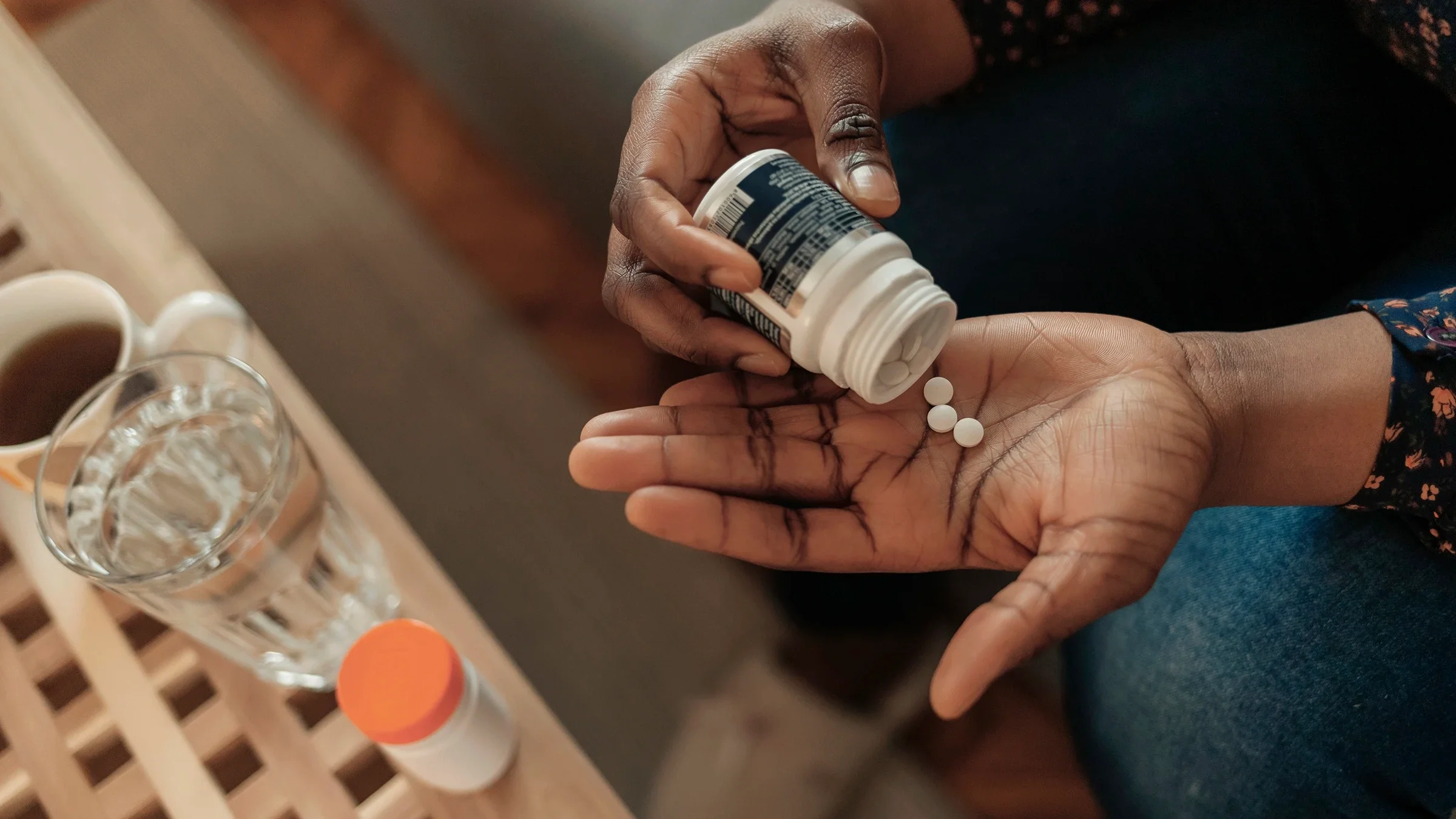
The dose of aspirin that’s best for fertility isn’t known. The studies discussed above used doses between 75 mg and 100 mg. This is a lower dose than what’s used to treat fever, inflammation, and pain. But it's similar to what’s used in heart attack and stroke prevention (81 mg).
What are the risks of baby aspirin while pregnant?
Baby aspirin is generally considered safe during pregnancy. But there are some risks to be aware of. The biggest potential risk of aspirin during pregnancy is an increased chance of bleeding. The risk is low, especially at the 81 mg dose.
Overall, low-dose aspirin isn’t known to cause harm to the mother or baby when taken during pregnancy. The FDA warns against most NSAIDs starting at 20 weeks of pregnancy. That’s because NSAIDs can affect an unborn baby's kidneys, lungs, and heart. However, this warning doesn’t apply to baby aspirin (81 mg).
Who should NOT take baby aspirin while pregnant?
Some people should avoid aspirin, even at low doses. The American College of Obstetrics and Gynecology (ACOG) recommends against aspirin use in pregnancy if you:
Are allergic to aspirin or other NSAIDs
Have nasal polyps, since aspirin can trigger severe airway narrowing
Have a history of aspirin-induced asthma or wheezing
ACOG also notes that some people may also have a higher risk of complications, such as bleeding. In these cases, it’s important to talk with a healthcare professional to weigh the risks and benefits. This may include people who:
Have had bleeding from the gut or ulcer
Have severe liver disease
Are younger than 18 years of age, because aspirin has been linked to Reye’s syndrome in children and teens
So what’s the verdict: Should I take baby aspirin for fertility?
The ACOG doesn’t currently recommend baby aspirin to help you get pregnant. But always talk to a healthcare professional if you have questions about baby aspirin in pregnancy. They can help discuss the potential risks and benefits with you. And even though aspirin is available OTC, don’t start taking it without talking to your healthcare team first.
It’s important to note that baby aspirin is strongly recommended to help prevent preeclampsia in people who are at high risk of developing it during pregnancy. Preeclampsia is pregnancy-induced high blood pressure. Your healthcare team can help you figure out if you’re considered high risk for developing preeclampsia. This includes people with a history of preeclampsia. It also includes people who are having twins, or who have certain medical conditions like diabetes and kidney disease.
Frequently asked questions
For most people trying to conceive, there’s no strong evidence that taking aspirin daily improves fertility or increases the chance of getting pregnant. But it might help in certain cases. Baby aspirin may boost fertility in people who have had pregnancy loss. And it may lower the risk of miscarriage for women with clotting disorders like antiphospholipid syndrome.
Aspirin can increase bleeding risk, and it isn’t right for everyone. So it’s best to check with your healthcare team before starting it.
If you have a history of recurrent pregnancy loss, starting aspirin before you start trying to conceive may help your chance of getting pregnant and staying pregnant. Researchers have found the highest benefit occurs when women take baby aspirin at least 4 days a week.
For most people trying to conceive, there’s no strong evidence that taking aspirin daily improves fertility or increases the chance of getting pregnant. But it might help in certain cases. Baby aspirin may boost fertility in people who have had pregnancy loss. And it may lower the risk of miscarriage for women with clotting disorders like antiphospholipid syndrome.
Aspirin can increase bleeding risk, and it isn’t right for everyone. So it’s best to check with your healthcare team before starting it.
If you have a history of recurrent pregnancy loss, starting aspirin before you start trying to conceive may help your chance of getting pregnant and staying pregnant. Researchers have found the highest benefit occurs when women take baby aspirin at least 4 days a week.
The bottom line
The research is mixed on whether baby aspirin has positive effects on fertility. Some studies show that it can help lower the chance of miscarriage and lead to a higher pregnancy rate in people who’ve had previous miscarriages. The research on baby aspirin use during in vitro fertilization (IVF) is also mixed. Some studies show more positive IVF outcomes with baby aspirin, though others don't.
The American College of Obstetricians and Gynecologists (ACOG) doesn’t recommend baby aspirin during pregnancy — unless it’s used to prevent preeclampsia in high-risk situations.
Ultimately, it’s best to discuss baby aspirin for fertility with your healthcare team. They can help weigh the potential risks and benefits with you. Don’t start taking aspirin during pregnancy (or while trying to become pregnant) without talking to your healthcare team.

Why trust our experts?




References
American College of Obstetricians and Gynecologists. (2018). Low-dose aspirin use during pregnancy.
APS Support UK. (n.d.). What are the symptoms of APS?
Centers for Disease Control and Prevention. (2024). Infertility FAQs.
Connell, M. T., et al. (2017). The Effects of Aspirin in Gestation and Reproduction (EAGeR) trial: A story of discovery. Seminars in Reproductive Medicine.
Coomarasamy, A. et al. (2021). Recurrent miscarriage: Evidence to accelerate action. Lancet.
Guirguis-Blake, J. M., et al. (2015). Aspirin for the primary prevention of cardiovascular events: A systematic review for the US Preventive Services Task Force. Agency for Healthcare Research and Quality.
Ittaman, S. V., et al. (2014). The use of aspirin in the prevention of cardiovascular disease. Clinical Medicine & Research.
Madani, T., et al. (2018). Does low-dose aspirin improve pregnancy rate in women undergoing frozen-thawed embryo transfer cycle? A pilot double-blind, randomized placebo-controlled trial. Journal of Obstetrics and Gynecology Research.
Naimi, A. I., et al. (2021). The effect of preconception-initiated low-dose aspirin on human chorionic gonadotropin-detected pregnancy, pregnancy loss, and live birth: Per protocol analysis of a randomized Trial. Annals of Internal Medicine.
National Institute of Child Health and Human Development. (2022). Who’s at risk of preeclampsia. National Institutes of Health.
Rai, R., et al. (2000). Recurrent miscarriage—an aspirin a day? Human Reproduction.
Siristatidis, C. S., et al. (2016). Aspirin for in vitro fertilization. The Cochrane Database of Systematic Reviews.
Sjaarda, L. A., et al. (2017). Preconception low-dose aspirin restores diminished pregnancy and live birth rates in women with low-grade inflammation: A secondary analysis of a randomized trial. The Journal of Clinical Endocrinology & Metabolism.
U. S. Food & Drug Administration. (2020). FDA recommends avoiding use of NSAIDs in pregnancy at 20 weeks or later because they can result in low amniotic fluid.
U. S. Preventative Task Force. (2021). Aspirin use to prevent preeclampsia and related morbidity and mortality. Journal of the American Medical Association.
Vane, J. R., et al. (2003). The mechanism of action of aspirin. Thrombosis Research.
Wang, L., et al. (2017). Efficacy evaluation of low-dose aspirin in IVF/ICSI patients evidence from 13 RCTs. Medicine.