Key takeaways:
Dry mouth while sleeping can be a result of mouth breathing, medication, or an underlying health condition.
The best way to prevent dry mouth while sleeping is to address the exact cause. But there are some ways to manage it in the meantime.
Staying hydrated, using a humidifier in your room at night, and avoiding substances like coffee, alcohol, and tobacco, can help treat dry mouth or throat at night.
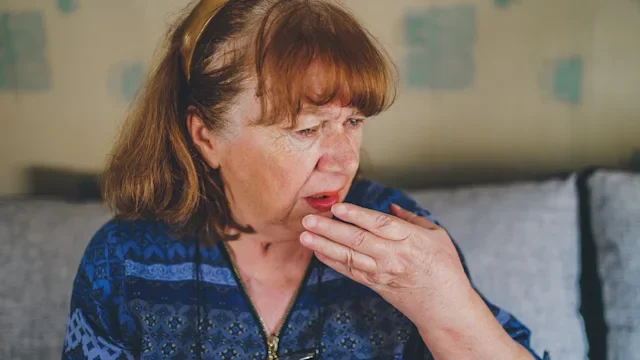
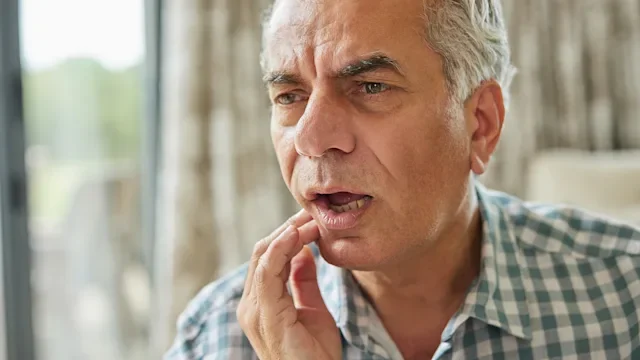
Do you often wake up with a dry mouth and sore throat? Nighttime dry mouth (xerostomia) can make it hard to get a good night’s sleep and leave you feeling unrested the next day. Some medical conditions can cause dry mouth, and the specific treatment will depend on the cause.
But there are also common causes of dry mouth that you may be able to prevent with some simple home remedies. Here are eight ways to prevent dry mouth while sleeping.
1. Stay hydrated
Drinking plenty of water throughout the day may help prevent dry mouth at night. It might also help prevent you from waking up at night because you’re thirsty. But avoid drinking too much water right before you go to bed, as you may end up needing to wake up to pee.
Exactly how much water you need to drink per day depends on things like your weight, activity level, and health conditions. As a general guideline, men should try to drink 3.7 L (125 oz) of water per day, while women should aim for 2.7 L (91 oz).
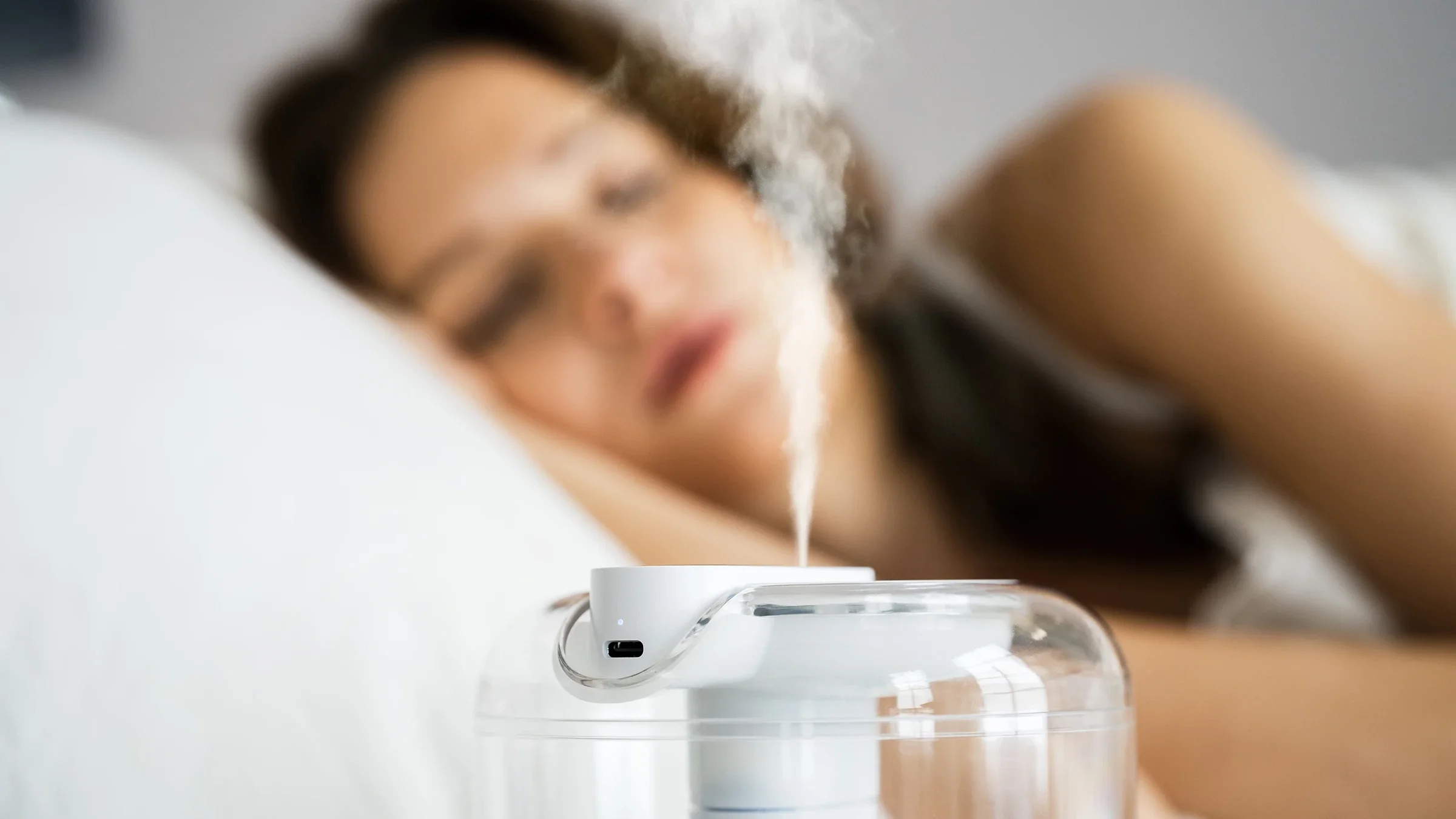
2. Use a humidifier
A humidifier is a basic device that adds moisture to the air. The extra moisture helps prevent dryness that can irritate your nose, throat, and mouth. Turning on a humidifier before you go to sleep may be especially helpful during the winter and in dry regions like the desert.
3. Keep your bedroom cool
Keeping your bedroom cool and ventilated can help you improve your sleep quality. While this is not directly linked to dry mouth, setting the thermostat at 60°F to 67°F (about 16°C to 19°C) can help you get quality sleep. This is important because dry mouth may make you wake up at night and interrupt your rest.
4. Practice good oral hygiene
Long-term dry mouth can affect the health of your teeth and mouth. Getting regular dental checkups can help lower your risk of tooth infections and damage. Your dentist can also recommend treatments for dry mouth.
Following a consistent mouthcare routine will also lower your risk of dental decay and oral infections. Aim to brush and floss your teeth twice a day.
5. Use a specialized toothpaste or mouthwash
There are toothpastes and mouthwashes that are specifically designed for people with dry mouth. These toothpastes contain ingredients that can help moisturize the mouth and stimulate saliva production. On the other hand, some mouthwashes can actually worsen dry mouth. So, avoid alcohol-based products.
6. Adjust what you eat and drink
Certain foods and drinks may affect how much saliva you produce and worsen dry mouth. If you have nighttime dry mouth, consider limiting:
Tobacco
Caffeine
Alcohol
Spicy, salty, or acidic foods
7. Review your medications
Many different medications can cause dry mouth. If you think your medication is causing dry mouth, talk with a healthcare professional. They may be able to adjust your dose or recommend alternatives. But don’t stop taking your medication without talking with them first.
8. Try sugar-free gum or lozenges
Studies show that chewing gum or sucking on sugar-free candy can stimulate the production of saliva. There are also sprays, gels, and lozenges that can help promote saliva production. The extra saliva can help relieve dry mouth.
What does a dry mouth feel like?
A feeling of dryness is the most obvious sign of dry mouth (xerostomia), but this can occur hand in hand with other symptoms. Because your mouth is so dry, your tongue may stick to your cheeks, lips, or teeth. This can make it difficult to speak, swallow, and eat.
Other symptoms of dry mouth
If you have dry mouth, you may also experience a burning feeling on your tongue or a sore throat. Eventually, cracks may form at the corners of your mouth, and you may have other signs of irritation, like dry, red, or cracked lips.
Bad breath is another common sign of a dry mouth — that’s why many people wake up with “morning breath.” Saliva not only moistens your mouth but also helps wash away food particles that are left behind after you eat. If left in the mouth, these substances can contribute to bad breath. This can also increase your risk of tooth decay and cavities.
Why do I get dry mouth while sleeping?
There are several reasons why you might experience dry mouth at night. Below is a look at some common factors.
Breathing through your mouth
Breathing through your mouth and snoring both dry up saliva, which keeps your mouth moist. It can also dry out your gums and the mucous membranes inside your mouth.
Mouth breathing can be caused by nasal blockages from:
Allergies or related symptoms
Swollen adenoids (glands in the nose)
Dehydration
When you’re dehydrated, your body may not produce enough saliva at night. This can cause dry mouth or make you feel like your saliva is extra thick.
Dry air can also dry out your mouth at night and make you feel dehydrated — especially if you’re also breathing through your mouth when you’re sleeping.
Medication side effects
There are a handful of medications and supplements that can cause dry mouth. Some of the most common are:
Tricyclic antidepressants
Diuretics (water pills)
High blood pressure medications like angiotensin-converting enzyme (ACE) inhibitors
Iron supplements
Chemotherapy and radiation
Underlying health conditions
Underlying health conditions may also play a role in dry mouth while sleeping. Some of the most common culprits include:
Diabetes
HIV
Hepatitis C
Thyroid disorder
Other autoimmune conditions
Is having dry mouth at night a sign of a serious condition?
Having a dry mouth or throat isn’t usually a sign of a serious condition. The most common cause of dry mouth is medication, which can be corrected by talking with a healthcare professional and managed with the above strategies. But it’s possible for dry mouth to cause dental or gum problems.
When should you see a doctor if you have dry mouth at night?
If you still have dry mouth at night after trying preventive tips and home remedies, talk with a healthcare professional or dentist. They can help you find out what might be causing your dry mouth and come up with a treatment plan if needed.
Frequently asked questions
How much saliva you make depends on a complex set of processes, and it turns out that stress and anxiety likely play a role. One study found that people with stress, anxiety, and depression made less saliva and were more likely to report feeling dry mouth.
Yes, you may experience dry mouth with acid reflux, or gastroesophageal reflux disease (GERD). Acid reflux is when acid from your stomach travels back up into your esophagus (food pipe). This can cause a range of uncomfortable symptoms — from vomiting, cough, and sore throat to a burning sensation in your chest and painful swallowing.
How much saliva you make depends on a complex set of processes, and it turns out that stress and anxiety likely play a role. One study found that people with stress, anxiety, and depression made less saliva and were more likely to report feeling dry mouth.
Yes, you may experience dry mouth with acid reflux, or gastroesophageal reflux disease (GERD). Acid reflux is when acid from your stomach travels back up into your esophagus (food pipe). This can cause a range of uncomfortable symptoms — from vomiting, cough, and sore throat to a burning sensation in your chest and painful swallowing.
The bottom line
Dry mouth while sleeping is fairly common, but it can be prevented or managed through hydration, saliva substitutes, and proper dental care. But if dry mouth persists or interferes with your quality of life, be sure to talk with a healthcare professional.

Why trust our experts?



References
Abreu, R. R., et al. (2008). Etiology, clinical manifestations and concurrent findings in mouth-breathing children. Journal de Pediatria.
Altamimi, M. A. (2014). Update knowledge of dry mouth - A guideline for dentists. African Health Sciences.
American Dental Association. (2026). Xerostomia (dry mouth).
Bots, C. P., et al. (2004). Preferences and saliva stimulation of eight different chewing gums. International Dental Journal.
Gholami, N., et al. (2017). Effect of stress, anxiety and depression on unstimulated salivary flow rate and xerostomia. Journal of Dental Research Dental Clinics Dental Prospects.
MedlinePlus. (2024). Dry mouth.
National Institute of Dental and Craniofacial Research. (2024). Dry mouth.
Talha, B., et al. (2023). Xerostomia. StatPearls.
Tanasiewicz, M., et al. (2016). Xerostomia of various etiologies: A review of the literature. Advances in Clinical and Experimental Medicine.