Medications
There are three main categories of medications for people with diabetes.
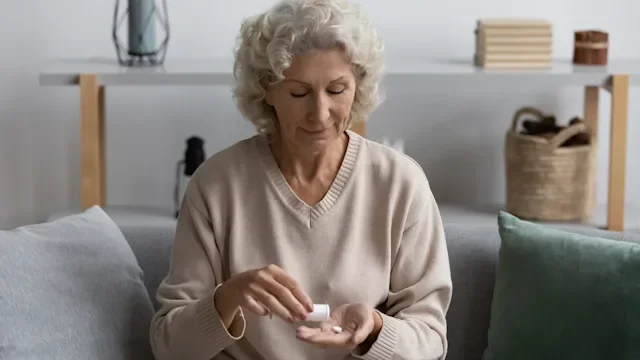
These are pill medications you take by mouth. They work in different ways, like:
They’re a treatment for Type 2 diabetes only.
These can be either:
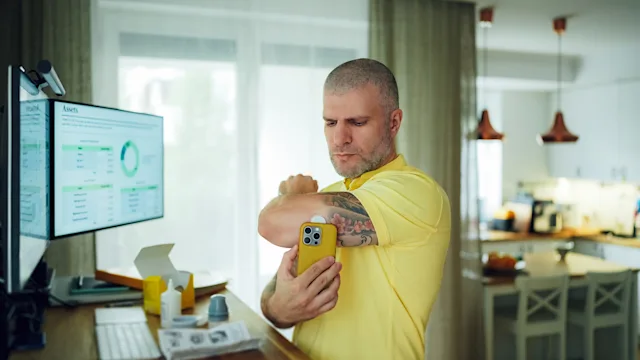
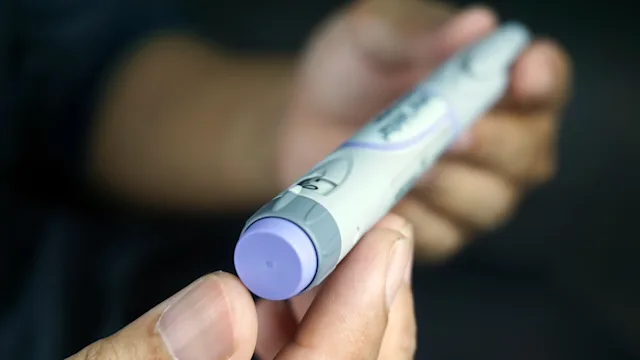
Injectable insulins work by supplementing the body’s lower-than-normal insulin levels. They can be a treatment for Type 1 and Type 2 diabetes.
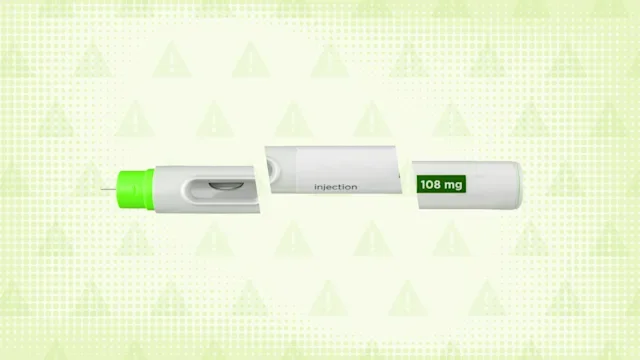
These are medications like Ozempic, Mounjaro, and others.
They belong to classes of medications called glucagon-like peptide-1 (GLP-1) receptor agonists and glucose-dependent insulinotropic polypeptide (GIP)/GLP-1 receptor agonists. These medications increase how much insulin the body makes in response to a meal.
Here are examples of each:
GLP-1 receptor agonists: Semaglutide (Ozempic, Rybelsus), Victoza (liraglutide), Byetta (exenatide), Bydureon BCise (exenatide), Trulicity (dulaglutide)
GIP/GLP-1 receptor agonists: Tirzepatide (Mounjaro)
These medications are only approved for people with Type 2 diabetes.
It can take some trial and error to find a treatment approach that works for you and your lifestyle. Your treatment needs will also change over time, as will the new treatments that become available.
Since this is a treatment you’ll need over the long term, the best treatment for you will also depend on your insurance coverage and what you can afford. Living with diabetes is an expensive business.
Navigating the ever-changing world of diabetes treatments is complex. Your diabetes care team will help you find a treatment that works for you and your unique situation. Our guides are also a good place to start.