Key takeaways:
Water is the best drink for people with diabetes. But other low-sugar or sugar-free drinks can fit into a healthy routine occasionally.
Many drinks have added sugars, which makes them high in carbohydrates. These drinks can quickly raise your blood glucose levels. They’re also high in calories and low in nutrients, so they aren’t a good choice.
When it comes to alcohol, there isn’t a “best” alcoholic drink for people with diabetes. But there are definitely alcoholic drinks to avoid, like sugar mixers and sweet wines. Drinking in moderation is key.
If you're living with diabetes, what you drink can affect your blood sugar just as much as what you eat. Sugary drinks are absorbed quickly, which can lead to blood glucose spikes. But there are many diabetes-friendly drinks that can help you stay hydrated without excess sugar.
10 "diabetes-friendly" drinks
If you have diabetes, the best everyday drink choices are naturally sugar-free or low in sugar, like water, unsweetened tea and coffee, and unsweetened milk alternatives.
For occasional treats, there's a long list of thirst-quenching, low-sugar options to choose from. But keep in mind that nutritional contents can vary between brands. So, it’s important to read nutritional labels to make sure your drink fits your blood sugar goals.
1. Water
Plain water is the best drink for everyone, especially for people living with diabetes. It’s naturally hydrating and free of carbohydrates and calories. How much water you need every day depends on your age, activity level, and other health conditions. If you’re thirsty, you can confidently grab a glass of water.
2. Carbonated or seltzer water
Sparkling water is another satisfying drink that has no calories, carbohydrates, or additives. Be sure to read the nutrition label, though. Some brands add sugar, which can surprise you.
3. Water with fresh additions
If carbonation isn’t your thing, there are other ways to liven up the healthiest drink. You can make water refreshing and interesting by adding a garnish:
Fresh fruit: Berries and citrus slices
Fresh herbs: Mint or rosemary
Frozen fruit: Watermelon or grapes
4. Unsweetened tea or coffee
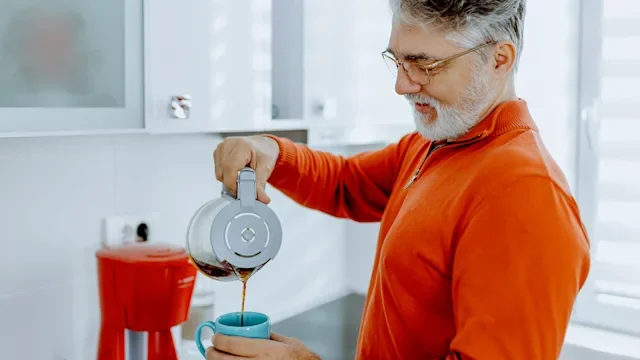
Coffee and tea are safe to drink as long as you limit added sugars. Keep it simple by ordering plain tea or coffee, iced coffee, or an Americano.
Sugar can add up quickly in specialty drinks, so order yours unsweetened. Then, add small amounts of milk or sweeteners yourself.
5. Milk or plant-based milks (unsweetened almond or soy milk)
Milk products aren’t free of carbs, but they’re full of vitamins and minerals. Some milk alternatives, like rice milk and oat milk, have more sugars and less protein than others. And some brands and flavors of plant-based milks contain added sugars. So, be sure to check the nutrition label and choose unsweetened varieties instead.
6. Drinks sweetened with stevia or monk fruit
Stevia and monk fruit are plant-based sweeteners with almost no calories or carbs. Drinks like Zevia, Vitaminwater Zero, and Bai have these sweeteners. You can also buy stevia or monk fruit and sweeten your tea, coffee, or other drinks.
7. Low-sugar kombucha
Kombucha is a fermented drink full of gut-friendly probiotics. The amount of sugar varies by brand, especially if juice is added. Be sure to check the serving size. Some bottles have two or more servings, so be sure to check the amount of carbohydrates per serving.
Keep in mind that some kombucha products may also contain small amounts of alcohol.
8. Healthy smoothie
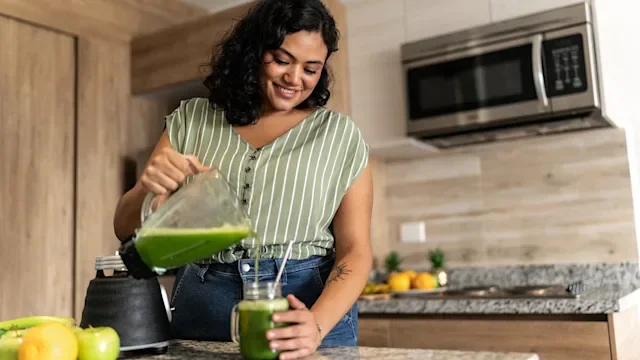
Carbohydrates in smoothies can vary a lot. But you can make a carb-friendly smoothie at home where you control the ingredients. You can also get your protein in smoothies, as well.
Try blending the following:
8 oz of milk (dairy, soy, or almond)
1 tbsp of unsweetened Greek yogurt
1 handful of frozen spinach and berries
1 tbsp of chia or flax seeds
1 tsp of almond butter
Water as needed for thickness
9. Vegetable juice
Vegetable juices can be a great option, depending on the vegetables included. Some vegetable juices may still contain significant amounts carbohydrates and sodium, especially if they have added fruit, or you consume them in larger servings. Nutrients and carbohydrates also vary between homemade and store-bought juices.
For example:
V8 Original 100% Vegetable Juice: 11.5 oz has 13 g carbs and 920 mg sodium. You can reduce carbs to 6 g and sodium to 440 mg by drinking half the can.
Biotta Beet Juice: 8 oz has 24 g carbs and 95 mg sodium. The carb load can be cut by diluting it with water.
10. Mocktails
Consider trying a non-alcoholic drink at happy hour. The American Diabetes Association suggests a Cucumber-Basil Mocktail. Combine fresh cucumber, basil, and lime with club soda and your sweetener of choice.
What are the worst drinks for diabetes?
Drinks with added sugars have extra calories and zero nutrients. They can also cause a surge in blood sugar. These drinks aren’t a good option for anyone. But you should take extra care to avoid them if you have diabetes. Many drinks you see on store shelves have added sugars.
The “Rethink Your Drink” campaign was created to reduce the number of sugar-sweetened beverages consumed by people in the U.S. It provides helpful guidance that applies to people with diabetes too. The idea is to avoid or limit:
Fruit juice (unless you’re treating low blood sugar)
Sweetened coffee or tea
Sweetened sports or energy drinks
Regular soda
A 12-oz can of soda contains about 10 tsp of sugar, or 39 g of carbohydrates. Just 1 can of soda exceeds the American Heart Association’s recommendations of no more than:
6 tsp of added sugar per day for women
9 tsp of added sugar per day for men
Why do people with diabetes need to watch what they drink?
With diabetes, any amount of carbohydrates (sugar) you consume can raise blood glucose levels. This is especially true for drinks.
Drinks made with added sugars raise blood glucose more quickly because liquid carbohydrates are absorbed faster than solid foods.
Fiber-rich foods and drinks with protein tend to have a gentler effect on blood sugar.
To avoid spikes in blood glucose, it's important to pay close attention to the sugars in your drinks — not just the ones in your food.
What ingredients should you check for in your drinks?
Added sugars go by many names, so it can be hard to tell from a food label what’s nutritious and what’s not.
When reading labels, avoid drinks with the following added sugars:
Raw sugar, cane sugar or cane juice, brown sugar
Date sugar, beet sugar, coconut sugar
Honey, agave, molasses, maple syrup
Fructose, glucose, maltose, sucrose
Corn syrup, high-fructose corn syrup, malt syrup
Invert sugar (a liquid sweetener that’s half glucose and half fructose)
If your drink contains any of these, the nutrition facts label will show total carbohydrates and added sugars. You can then follow steps from your care team for managing sugars in your diet.
Recommendations may vary depending on the type of diabetes you have, as well as your age, health, and activity level.
Are artificial sweeteners ok for people with diabetes?
Artificial sweeteners like aspartame, sucralose, and saccharin don’t raise blood glucose the same way sugar does. For some people with diabetes, they can help reduce added sugar intake when used in place of sugary drinks or foods. Non-caloric natural sweeteners like stevia and monk fruit may also be reasonable options in moderation.
Still, water and unsweetened drinks are the healthiest choices overall.
Natural sweeteners like honey, maple syrup, and dates may sound healthier, but they still contain sugar and can raise blood glucose levels. So they should also be used carefully and in small amounts.
Can people with diabetes drink alcohol?
Having any amount of alcohol can affect your diabetes management and overall health. It also brings some safety risks. With diabetes, alcohol increases your risk of low blood sugar (hypoglycemia). Plus, alcohol can make it harder to recognize the signs and symptoms of low blood sugar.
So, it's important to talk with your healthcare team before drinking alcohol. In general, low-sugar alcoholic drinks are OK in moderation.
If approved, stick with the daily recommendations for alcohol consumption:
Women: No more than 1 drink per day
Men: No more than 2 drinks per day
When choosing a drink, keep these tips in mind:
Light beers and dry wines have less alcohol and fewer calories.
Sweet wines and mixed drinks contain added sugars.
For mocktails or mixed drinks, club soda or diet soda is a better choice than juice or regular soda.
And, never drink alcohol on an empty stomach if you take insulin or medications that can cause low blood sugar.
Best drinks if you’re having a ‘hypo’
Experiencing hypoglycemia, or a “hypo,” is the one time people with diabetes will need to drink fruit juices or a regular soda. A hypo happens when your blood sugar falls below 70 mg/dL. This can cause uncomfortable — and even dangerous — symptoms that you’ll need to treat.
The fastest way to treat hypoglycemia is with juice or regular soda. Liquid carbohydrates are absorbed quickly, which raises blood sugar quickly.
To treat hypoglycemia, follow the “15-15 rule”:
Have 15 g of fast-acting carbohydrates (about 4 oz of juice or soda).
Wait 15 minutes.
Check your glucose.
If it’s still below 70 mg/dL, repeat these steps.
Frequently asked questions
It’s best to avoid juices if you have diabetes. This is especially true of store-bought juices that often contain added sugars, but it’s also true for freshly pressed juices.
When you squeeze the juice from a fruit, you get lots of sugar (fructose) without the fiber that comes from eating a whole fruit. Fiber slows how quickly your body absorbs the carbohydrates, which helps prevent a sugar spike.
Homemade smoothies can also be an option since you can control the ingredients and include whole fruits, vegetables, and low-sugar liquids.
Most energy drinks typically contain electrolytes, sugar, caffeine, and calories. They aren’t a good choice for most people, especially those with diabetes. Even low-sugar or no-sugar options still contain artificial sweeteners.
For some extreme athletes with diabetes, small sips during exercise can help maintain steady blood glucose, but for most people, water is the best for hydration.
The only exception is a hypo (low blood glucose), where an energy drink can quickly raise blood sugar.
Most electrolyte drinks contain large amounts of sugar. If you have diabetes, choose lower-sugar or sugar-free options.
Water, sparkling water, or unsweetened coffee or tea are still your best choice. The only exception is if you need carbohydrates during intense exercise or to treat low blood sugar.
Milk provides important nutrients for people with diabetes. But it contains lactose, a type of sugar that can affect blood glucose. Even lactose-free milk has broken-down lactose, which can also affect blood sugar. In moderation, low-fat or fat-free milk is a safe part of a balanced diet.
Plant-based milks don’t contain lactose but do have other types of carbohydrates. Some brands of plant-based milks contain added sugar, so it’s best to choose unsweetened milks that are fortified with calcium and vitamin D.
Water or other no-calorie, caffeine-free drinks can help lower glucose levels. Staying hydrated helps your kidneys remove extra sugar through urine. But water doesn’t lower blood sugar the way insulin or other diabetes medications do. So don’t expect any drink to lower your blood sugar immediately.
Orange juice is a good choice for treating low blood glucose. Otherwise, it’s best to limit or avoid juices because of their high sugar (carbohydrate) content.
It’s best to avoid juices if you have diabetes. This is especially true of store-bought juices that often contain added sugars, but it’s also true for freshly pressed juices.
When you squeeze the juice from a fruit, you get lots of sugar (fructose) without the fiber that comes from eating a whole fruit. Fiber slows how quickly your body absorbs the carbohydrates, which helps prevent a sugar spike.
Homemade smoothies can also be an option since you can control the ingredients and include whole fruits, vegetables, and low-sugar liquids.
Most energy drinks typically contain electrolytes, sugar, caffeine, and calories. They aren’t a good choice for most people, especially those with diabetes. Even low-sugar or no-sugar options still contain artificial sweeteners.
For some extreme athletes with diabetes, small sips during exercise can help maintain steady blood glucose, but for most people, water is the best for hydration.
The only exception is a hypo (low blood glucose), where an energy drink can quickly raise blood sugar.
Most electrolyte drinks contain large amounts of sugar. If you have diabetes, choose lower-sugar or sugar-free options.
Water, sparkling water, or unsweetened coffee or tea are still your best choice. The only exception is if you need carbohydrates during intense exercise or to treat low blood sugar.
Milk provides important nutrients for people with diabetes. But it contains lactose, a type of sugar that can affect blood glucose. Even lactose-free milk has broken-down lactose, which can also affect blood sugar. In moderation, low-fat or fat-free milk is a safe part of a balanced diet.
Plant-based milks don’t contain lactose but do have other types of carbohydrates. Some brands of plant-based milks contain added sugar, so it’s best to choose unsweetened milks that are fortified with calcium and vitamin D.
Water or other no-calorie, caffeine-free drinks can help lower glucose levels. Staying hydrated helps your kidneys remove extra sugar through urine. But water doesn’t lower blood sugar the way insulin or other diabetes medications do. So don’t expect any drink to lower your blood sugar immediately.
Orange juice is a good choice for treating low blood glucose. Otherwise, it’s best to limit or avoid juices because of their high sugar (carbohydrate) content.
The bottom line
The best everyday drinks for people with diabetes are the simple ones, like water, sparkling water, unsweetened tea or coffee, and unsweetened milk alternatives. Choosing these drinks more often can help support healthy blood sugar levels. Other low-sugar or sugar-free drinks can still fit into your routine occasionally as a treat.

Why trust our experts?



References
American Diabetes Association. (n.d.). Alcohol and diabetes.
American Diabetes Association. (n.d.). Cucumber basil mocktail.
American Diabetes Association. (n.d.). Low blood glucose (hypoglycemia).
American Diabetes Association. (n.d.). Reading food labels.
American Diabetes Association. (n.d.). Sports drinks impact on glucose (blood sugar).
American Diabetes Association. (n.d.). What can I drink?
American Heart Association. (2024). Added sugars.
Breakthrough T1D. (n.d.). Low blood sugar (hypoglycemia).
Centers for Disease Control and Prevention. (2026). Rethink your drink.
Crowe, A. (n.d.). Why you should drink more water. American Diabetes Association.
Diabetes UK. (2024). Dairy and diabetes.