Key takeaways:
Blood sugar monitor watches and smart rings aren’t an accurate way for people living with diabetes to measure their blood glucose (sugar). The FDA hasn’t approved, cleared, or authorized any of these devices yet.
The accuracy of blood glucose smartwatches varies. While some devices have promising accuracy results in studies, it’s still early in the research process.
If you have diabetes, experts recommend using an FDA-cleared glucometer or continuous glucose monitor (CGM) to measure your glucose levels. These devices have all been evaluated by the FDA for safety and effectiveness.
Many people living with diabetes check their glucose (sugar) on a daily basis. This is essential for knowing if medications are working or dosage adjustments need to be made. Having accurate glucose measurements is also important for knowing if your glucose is too high or too low.
But checking your glucose by poking your finger with a lancet can be painful. And continuous glucose monitors (CGMs) can be uncomfortable for some people. So scientists have been looking for a noninvasive way of checking blood sugar for years.
While the technology isn’t quite there yet, that hasn’t stopped some companies from claiming they've found the solution. There has been a rise in companies selling wearable devices, such as smartwatches, that claim to monitor blood glucose. But buyers beware: These devices aren’t FDA cleared or accurate.
Are blood sugar monitor watches and rings accurate?
The accuracy of blood sugar monitor watches and smart rings can’t be guaranteed at this time. In fact, the FDA put out a safety notice in February 2024 warning people living with diabetes not to use them. The agency said: “The FDA has not authorized, cleared, or approved any smartwatch or smart ring that is intended to measure or estimate blood glucose values on its own.”
Blood sugar monitor watches vary in how accurate they are. But over-the-counter (OTC) glucose monitors need to meet certain accuracy requirements to get FDA clearance:
At least 95% of all readings must be within 15% of readings from a blood glucose monitor that’s currently FDA cleared and known to be accurate.
At least 99% of all readings must be within 20% of readings from a blood glucose monitor that’s currently FDA cleared and known to be accurate.
Some companies have shared the results of their research with blood sugar monitor watches. In one study, a device called InCheck only met accuracy requirements about 18% of the time. That means it was inaccurate more than 80% of the time.
Another blood glucose smartwatch had better results. In the clinical study, the device was accurate about 84% of the time. However, this study was only conducted with 23 people, and only about half of them had diabetes. The study also used a definition of accuracy that’s different from the FDA’s. So the results of this study can’t be used to determine accuracy for the general population.
The blood glucose smartwatch GWave seems to have had some of the most promising results so far. In early studies, it was considered accurate 98% of the time in people without diabetes. A larger study showed it had 97% accuracy. This study included people with Type 1 and Type 2 diabetes, as well as people without diabetes. But the study also used standards that are different from the FDA’s.

Devices on the horizon: Blood glucose smartwatches aren’t the only devices being studied for diabetes benefits. Read more about the diabetes devices that are being researched.
Getting accurate readings: Getting accurate glucose readings is key when it comes to managing diabetes. Read about the best and most accurate ways to monitor your glucose levels at home.
Glucose monitoring with prediabetes: Some people with prediabetes are choosing to wear continuous glucose monitors (CGMs) to track their glucose levels. Find out what the research says.
How do blood glucose monitor watches work?
Companies making blood sugar monitor watches are using different technologies in their devices. They include:
Electrochemical technology: These devices measure the amount of glucose in different bodily fluids, such as sweat or tears. This is the type of technology in smart contact lenses. It’s important to note that this technology doesn’t technically measure blood glucose, since it isn’t taking readings of blood.
Optical technology: These devices shine certain light wavelengths, such as infrared light, on the skin. These wavelengths penetrate through skin and bodily fluids, such as plasma. But glucose molecules absorb them. The devices then sense the amount of wavelengths that were absorbed to determine the amount of glucose.
Electromagnetic technology: These devices provide a small amount of stimulation to the skin, tissues, and blood vessels around the smartwatch’s sensor. Glucose has a unique reaction compared to other fluids and tissues. The device looks for this reaction to measure the amount of glucose.
Microwave technology: These devices send a small amount of microwaves through the skin and blood vessels. Different substances inside the body either absorb or reflect these microwaves. The device determines the amount of blood glucose present based on how much is reflected back.
Are there FDA-cleared glucose monitoring devices?
Yes, there are several FDA-cleared glucose monitors. These devices can be split into two main categories: glucometers and CGMs.
Glucometers
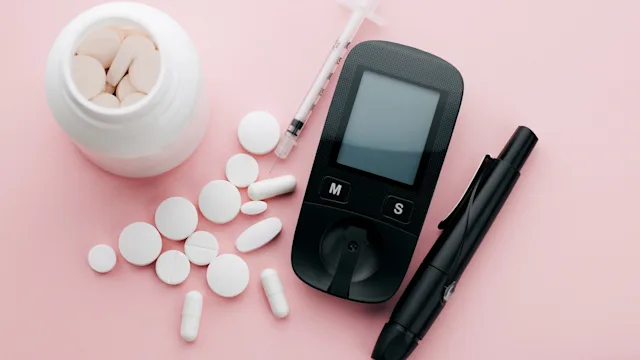
With glucometers, you use a lancet to prick a finger and apply a drop of blood to a test strip. The device then measures the amount of glucose in your blood. These are available to purchase with or without a prescription. Examples of FDA-cleared glucometers include:
Continuous glucose monitors
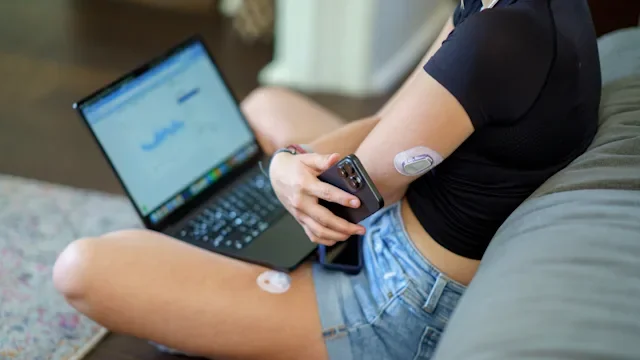
A CGM is a device you wear on either your abdomen or the back of your arm. It measures the amount of glucose in the fluid beneath your skin. Most CGMs require a prescription from a licensed healthcare professional. Examples of FDA-cleared CGMs include:
Dexcom Stelo (the first CGM to be cleared for OTC purchase)
What is the most effective way to monitor blood glucose levels?
Both glucometers and CGMs are effective tools for monitoring glucose levels. People tend to choose which device to use based on:
Healthcare professional’s advice
Personal preference
Insurance coverage
Cost
Research indicates that CGMs are better than glucometers at helping people stay within their target glucose range. And they can help lower the number of hypoglycemia episodes people experience.
But because CGMs don’t measure glucose in the blood, there’s a small lag time with the results. This means that it may take a few extra minutes for a CGM to notify you about blood glucose changes. So, you’ll still need to have a glucometer at home, even if you’re using a CGM on a daily basis.
If you feel symptoms of hypoglycemia, such as shaking or sweating, you should double-check your glucose with a glucometer. This is true even if your CGM gives a “normal” glucose reading.
Frequently asked questions
There’s no way to monitor blood glucose without blood. Using a CGM allows you to keep track of your sugar level — but it measures from fluid under the skin, not blood. So CGMs may not always be accurate, especially if there’s a problem with adherence or placement. As mentioned above, wearable devices (like watches) aren’t reliable for monitoring blood glucose. But this could change in the future.
This is a social media trend that involves pinching your forearm near your wrist with your thumb and index finger. People say analyzing skin changes when you do this can tell you about your blood sugar level. But this isn’t supported by evidence and isn’t recommended.
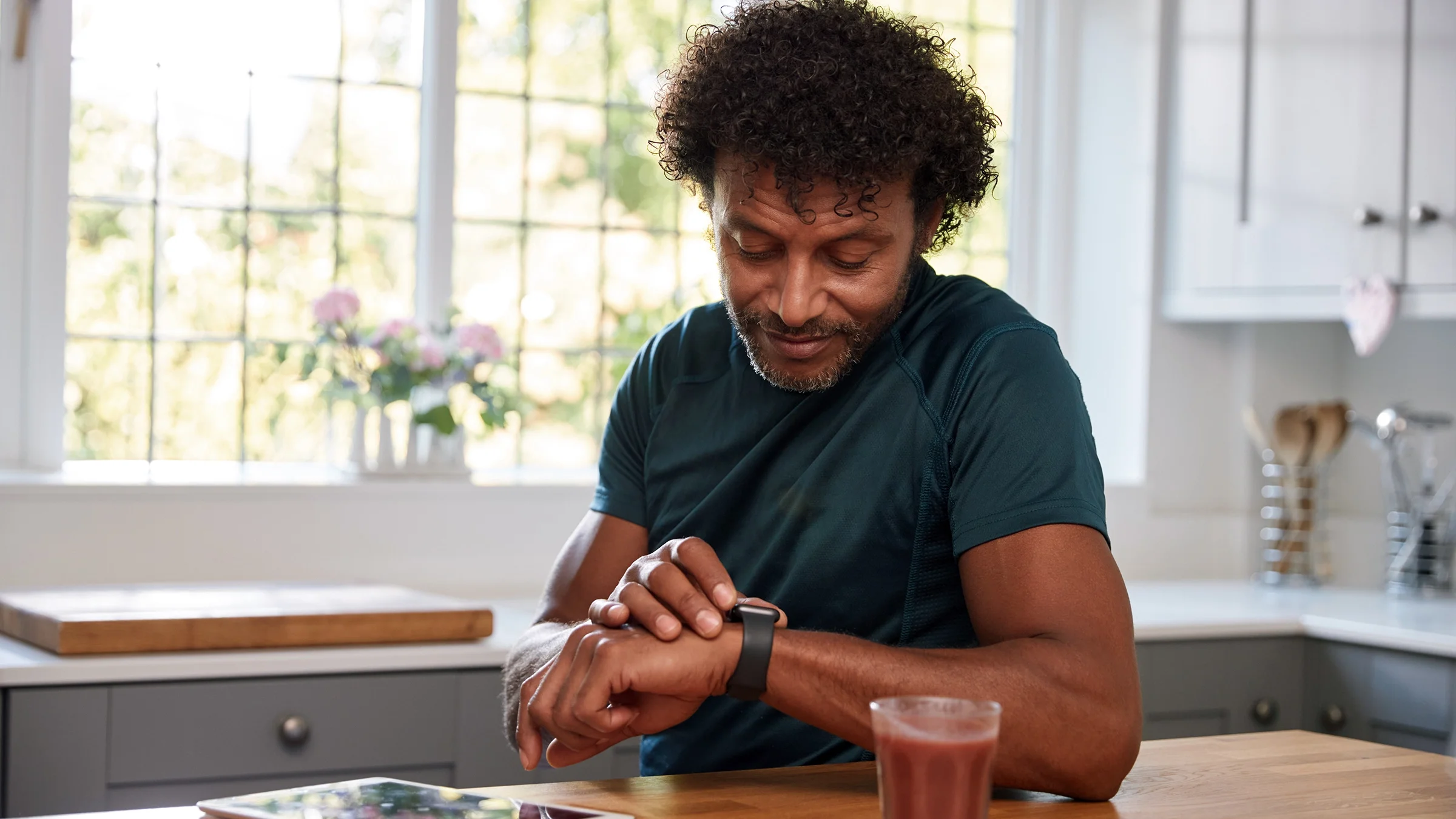
No. The Apple Watch does not have the capability to measure your blood sugar. It can, however, pair with a CGM to deliver your results on the watch. This requires downloading an app designed by the manufacturer of the CGM first. The CGM sends your glucose data to your watch via Bluetooth.
There’s no way to monitor blood glucose without blood. Using a CGM allows you to keep track of your sugar level — but it measures from fluid under the skin, not blood. So CGMs may not always be accurate, especially if there’s a problem with adherence or placement. As mentioned above, wearable devices (like watches) aren’t reliable for monitoring blood glucose. But this could change in the future.
This is a social media trend that involves pinching your forearm near your wrist with your thumb and index finger. People say analyzing skin changes when you do this can tell you about your blood sugar level. But this isn’t supported by evidence and isn’t recommended.
No. The Apple Watch does not have the capability to measure your blood sugar. It can, however, pair with a CGM to deliver your results on the watch. This requires downloading an app designed by the manufacturer of the CGM first. The CGM sends your glucose data to your watch via Bluetooth.
The bottom line
It’s not recommended to use blood glucose (sugar) monitor watches or smart rings at this time. None of these devices have been FDA cleared, and their accuracy levels vary. While some of the research is promising, blood sugar monitor watches are still in early development.
If you’re living with diabetes, you should use an FDA-cleared glucometer or continuous glucose monitor (CGM). These devices have been thoroughly evaluated for their safety and accuracy. And some allow pairing with your smartwatch via Bluetooth.

Why trust our experts?




References
Abbott Diabetes Care Inc. (n.d.). FreeStyle Lite: Owner’s booklet.
ACA Acupuncture & Wellness. (2024). World Diabetes Day: A holistic approach to diabetes management through wellness and acupuncture.
American Diabetes Association Professional Practice Committee. (2024). 7. Diabetes technology: Standards of care in diabetes—2024. Diabetes Care.
Ascensia Diabetes Care US, Inc. (2016). Contour Next blood glucose monitoring system: User guide.
Chang, T., et al. (2022). Highly integrated watch for noninvasive continual glucose monitoring. Microsystems & Nanoengineering.
Hirsch, I. B., et al. (2023). 130-lb: GWave—A novel noninvasive glucose blood monitoring radio wave-based technology. Diabetes.
Hirsch, I. B., et al. (2024). Noninvasive real-time glucose monitoring is in the near future. Diabetes Technology & Therapeutics.
LifeScan Europe GmbH. (n.d.). OneTouch Ultra 2 blood glucose monitoring system: User guide.
Mondal, H., et al. (2024). Accuracy of a non-invasive home glucose monitor for measurement of blood glucose. Indian Journal of Endocrinology and Metabolism.
Roche Diabetes Care, Inc. (2023). Accu-Chek Guide blood glucose monitoring system: User’s manual for single patient use only blood glucose meter.
Roy, S. (2024). US FDA warns against using smartwatches to measure blood glucose. Reuters.
U.S. Food and Drug Administration. (2023). Self-monitoring blood glucose test systems for over-the-counter use: Guidance for industry and Food and Drug Administration staff.
U.S. Food and Drug Administration. (2024). Do not use smartwatches or smart rings to measure blood glucose levels: FDA safety communication.
Wu, J., et al. (2023). A new generation of sensors for non-invasive blood glucose monitoring. American Journal of Translational Research.