What Is Major Depressive Disorder? Causes, Symptoms, and Treatments
Comprehensive information for you or a loved one — including treatment options and discounts on popular medications.

It’s normal to feel down from time to time. But sometimes, feeling down can be a sign of a mental health condition called depression, or major depressive disorder (MDD).
Depression is a common mental illness that affects your thoughts, emotions, and behaviors. It can make you feel sad, depressed, or disconnected from daily life. It can also cause physical symptoms, like fatigue and problems sleeping.
Depression symptoms can last for weeks or months. It can also make it hard to function in day-to-day life. In fact, MDD is one of the leading causes of disability worldwide, affecting about 5% of the global population.
Some people may have depression with additional symptoms. Or you may only have MDD in certain situations. Some examples are:
MDD with anxiety
MDD with psychotic features
Perinatal depression (MDD with peripartum onset)
Seasonal depression (MDD with seasonal pattern)


Search and compare options
Depression is one of the most common mental health conditions in the world. We don’t know exactly what causes depression, but it’s likely a combination of your:
Brain structure and function
Family history (genetics)
Personality traits
Environment
Anyone can get depression — including children, teenagers, and older adults. It can happen at any age, but it often starts in adulthood. You may have a higher risk for MDD if you’ve had clinical depression in the past or have a family member with MDD.
Certain life experiences can also increase your risk for developing MDD, including:
Relationship problems
Social isolation
Trouble finding a job
Money issues
Childhood abuse
Medical problems
Substance use problems
All people with clinical depression have at least one of these two symptoms:
Having a depressed mood, where you feel sad, hopeless, or empty most of the time
Losing interest or enjoyment in almost all activities
People with MDD also have a combination of the following symptoms:
Feeling irritable
Feeling guilty or worthless
Sleeping less or more than usual
Eating less or more than usual
Having fatigue or low energy
Having trouble concentrating or thinking clearly
Feeling like you’re moving very slowly or feeling restless
Thinking about death or suicide
In some cultures, depression may show up with more physical symptoms, like pain, headache, or weakness. Children and teens can also have different symptoms from adults, like irritability and emotional outbursts.
If you or someone you know is having thoughts of suicide, you’re not alone and help is available. Call or text the Suicide & Crisis Lifeline at 988, or text HOME to 741-741 to reach the Crisis Text Line.
Compare prices and information on the most popular Depression medications.
To be diagnosed with MDD, you need to have at least five different symptoms of depression.
The symptoms must also be:
Present on most days, nearly all day, for at least 2 weeks
Severe enough to interfere with your daily life
Not caused by drugs, alcohol, or medication
Not caused by another medical condition
Not better explained by another type of mental health condition
If you’re worried about depression, talk to a healthcare professional — especially if you’ve had symptoms for more than a few weeks. You can also use Mental Health America’s free online depression screening tool to help you decide whether to talk to a professional.
When you meet with your primary care provider or a mental health professional, they’ll ask questions about your symptoms. They might also suggest a physical exam or blood tests. These can help rule out any physical causes for your symptoms, like thyroid problems or anemia.
There are many different types of medications used to treat depression. These include:
Selective serotonin reuptake inhibitors (SSRIs)
Serotonin and norepinephrine reuptake inhibitors (SNRIs)
Atypical antidepressants
Tricyclic antidepressants (TCAs)
Monoamine oxidase inhibitors (MAOIs)
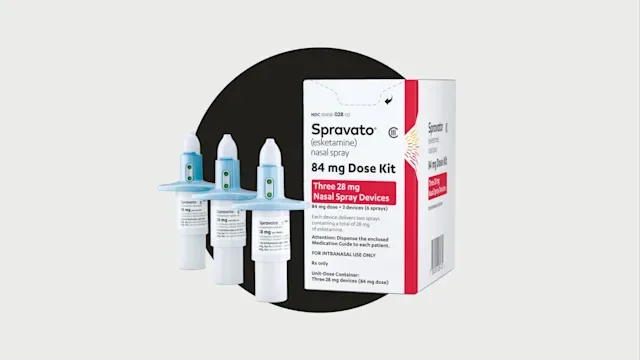
Esketamine and ketamine
Some antidepressants can take 1 to 2 months of taking them daily to start working. If your symptoms haven’t gotten better by then, your prescriber might suggest increasing your dose. You might also try other antidepressant medications, since everyone responds differently.
Depending on your situation, your primary care provider or psychiatrist might also suggest adding another medication to make your antidepressant more effective.
Examples of add-on medications include:
Atypical antipsychotics
Mood stabilizers
Thyroid hormone
Psychotherapy is a great treatment for clinical depression — either on its own or combined with medications. It can help you understand your thoughts, feelings, and behaviors. It can also teach you new life skills and coping strategies for managing your depression.
Evidence shows that some types of therapy can sometimes work just as well as medications for MDD. These therapies include:
Psychodynamic therapy
Supportive therapy
There are also complementary and alternative treatments that may help your depression get better — especially when combined with medication and therapy. These include:
Brain stimulation can also be used to treat MDD. It’s typically only used when therapy and medications haven’t worked. Examples include transcranial magnetic stimulation (TMS) and electroconvulsive therapy (ECT).
Depression isn’t something you can just “snap out of.” It’s a health condition with unique symptoms and treatments. And just like any other health condition, you deserve care and support while recovering.
Here are some ideas for caring for yourself during depression recovery:
Talk with friends and family about your experience.
Join a support group or peer network.
Consider couples or family therapy if your relationships are affected by MDD.
Set healthy boundaries for yourself.
Get regular sleep.
Exercise and stay active.
Avoid alcohol and tobacco.
Eat healthy foods.
Get involved in activities or hobbies.
Continue to educate yourself about depression.
And keep in mind: Depression is treatable. When you’re in the middle of an MDD episode, it can be hard to remember that things will get better. But the truth is, most people with depression improve with treatment, and there are many options to try if the first approach doesn't work.
No, clinical depression is different from grief. Grief is a normal response to a loss — like the death of a loved one, losing a job, or ending a relationship. Grief can cause depression-like symptoms, like feeling sad or fatigued. But the feelings are more likely to come and go over time and to be related to a specific loss.
No, clinical depression is different from grief. Grief is a normal response to a loss — like the death of a loved one, losing a job, or ending a relationship. Grief can cause depression-like symptoms, like feeling sad or fatigued. But the feelings are more likely to come and go over time and to be related to a specific loss.
No, premenstrual dysphoric disorder (PMDD) is a different mental health condition. It causes irritability, mood swings, and other symptoms in the week before your monthly period starts. The symptoms are severe enough to interfere with your day-to-day life and usually go away when your flow begins.
PMDD can be treated with antidepressants — either during the whole month or just in the week or two before your period. Birth control pills, exercise, and stress reduction can also help.
Some people with MDD will only have one episode and fully recover. But others will have multiple episodes during their lifetime.
You may be more likely to have another episode of MDD if you:
Have already had more than one MDD episode
Have a history of childhood trauma
Have some depression symptoms that never fully go away
Had severe symptoms during your most recent episode of MDD
Had your first episode at a young age
Have a personality disorder
There’s some evidence that omega-3 fatty acids and St. John's wort can help manage MDD.
But keep in mind: You should always check with a healthcare professional before starting a supplement. This is especially important since St. John’s wort can interfere with many medications (including antidepressants and birth control pills).
Yes, just like other mental and physical health problems, depression can sometimes be considered a disability, as defined by the Americans with Disabilities Act (ADA).
Aalbers, S., et al. (2017). Music therapy for depression. The Cochrane Database of Systematic Reviews.
Abdel Shafi, A. M., et al. (2014). Cultural influences on the presentation of depression. Open Journal of Psychiatry.
Prescription savings
Stop paying too much for your prescriptions. Compare prices, get pharmacy coupons, and save up to 80%. Find expert answers to your health questions so you can make the best decisions for yourself and your family.
Health conditions
Medications & treatment
Access & affordability
Medication discounts