Key takeaways:
Most colds cause mild or moderate illness. But sometimes a cold can turn into pneumonia.
Colds often don’t cause pneumonia directly, but they can make you more prone to developing a lung infection if you have certain risk factors.
You can keep a cold from turning into pneumonia by supporting your immune system, getting routine vaccinations, and managing any chronic health conditions.
Children get up to 6 to 10 colds each year, and the average adult has 2 to 4 colds each year. That means there are billions of cases of the common cold each year.
Thankfully, most colds are mild, and people get better on their own within a week. But sometimes, viruses that cause the common cold can also cause more serious infections.
Let’s look at how a common cold can lead to pneumonia and how you can tell if your cold is turning into something more serious.
Search and compare options
Can a cold cause pneumonia?
A cold doesn’t cause pneumonia. A common cold can’t turn into pneumonia and vice versa. A common cold and pneumonia are different illnesses.
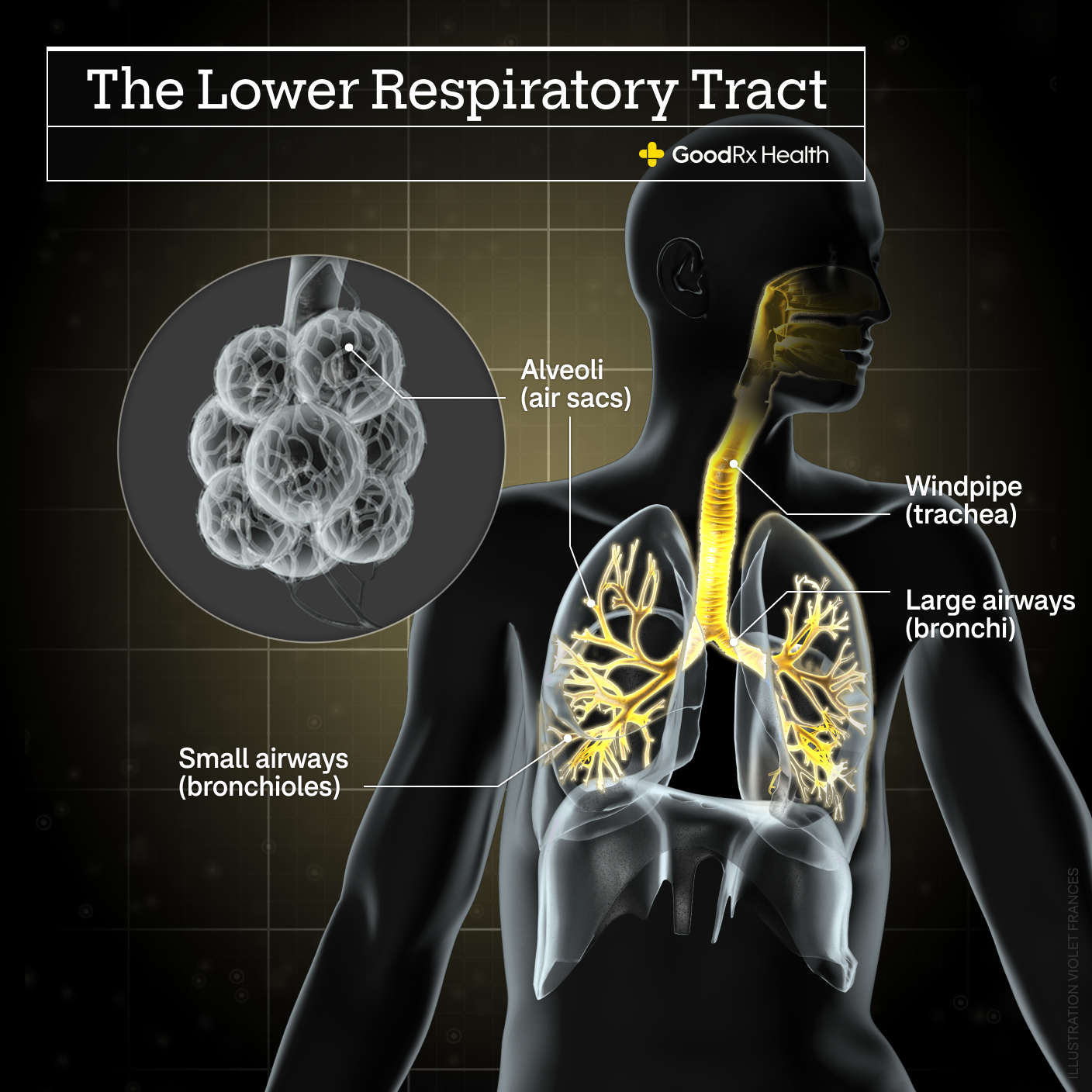
A cold is a type of upper respiratory tract infection. It develops when a virus infects the nose and throat.

Pneumonia is an infection of the lung tissue. Viruses that cause the common cold can also cause pneumonia. That means you can get sick with both illnesses either at the same time or one after the other. Getting sick with a common cold virus can also increase your risk of developing pneumonia from another virus or bacteria.
This is often what people really mean when they ask if a cold can “turn into” pneumonia.
How does a cold turn into pneumonia?
There are two main ways people can get sick with a common cold and pneumonia at the same time.
Dual infection
Common cold viruses can infect the upper and lower respiratory tracts. People usually develop upper respiratory tract infections first. That’s because viruses enter the body through the eyes, nose, and mouth. This means they’ll first reach the upper respiratory tract: the nose and throat.
Often, the immune system is able to fight off the virus before it gets any further. But sometimes, the virus is able to keep moving through the respiratory system and infect the lungs. In these cases, people can have a cold and viral pneumonia at the same time.
Secondary or superimposed pneumonia
When you’re sick with a common cold, your immune system is busy fighting off a virus. That means it’s not able to do other tasks as efficiently, like keeping bacteria or viruses in check. Sometimes, these bugs are able to infect the lungs and cause pneumonia. That’s because the person’s immune system is busy fighting off the virus that’s causing the common cold. This is called superimposed pneumonia.
In these cases, people usually have mild symptoms at first and then become very sick after a few days. People can get very sick if they have secondary pneumonia.
How common is it to develop pneumonia from a cold?
Most people won’t develop a cold and pneumonia at the same time. The immune system is usually able to fight off the common cold virus and keep other bugs at bay. But some people are at higher risk for developing superimposed pneumonia or more widespread respiratory infections.
People are more likely to develop pneumonia with a cold if they:
Are very young or older: Infants and toddlers and people over age 65 are at higher risk for dual infections or superimposed pneumonia.
Have other medical conditions: Lung conditions like asthma and chronic obstructive pulmonary disease (COPD) can increase the risk of dual infections or superimposed pneumonia. So can other health problems such as diabetes.
Have a weakened immune system: People with medical conditions that weaken the immune system or those taking medications that affect the immune system are more likely to develop dual infections or superimposed pneumonia.
How can you tell if your cold is turning into pneumonia?
Your symptoms can offer an important clue that you have a dual infection or a superimposed pneumonia.
A common cold causes symptoms like:
Runny nose
Congestion or stuffiness
Scratchy or sore throat
Sneezing
Mild cough
Post-nasal drip
But pneumonia causes more severe symptoms like:
Fever
Chills
Rapid breathing
Trouble catching your breath
Feeling short of breath, especially with activity
More persistent cough
Poor appetite
Low energy or sleepiness
Children may also experience stomach pain and vomiting. Older adults may experience confusion. Seek medical care right away if you develop any of these symptoms. It’s important to catch pneumonia early so you can start treatment.
When should you seek care for cold symptoms?
You should seek medical care for a cold if you develop concerning symptoms like:
Fever
Breathing changes
Trouble breathing
Worsening cough
Poor appetite
Confusion, sleepiness, or low energy
Common cold symptoms usually get worse over 2 to 3 days and then start to get better.
You should also seek care if you develop new symptoms during your illness or if any of your symptoms start getting worse. New or worsening symptoms can be a sign of pneumonia or other infections like sinus infections or ear infections.
Most common colds go away within a week. Seek medical care if your symptoms aren’t getting better within a week or last longer than 10 days.
How can you stop a cold from turning into pneumonia?
There are steps you can take to lower the risk of developing pneumonia while you have a cold. Here’s what you can do.
Treat cold symptoms promptly
There’s no cure for the common cold. But you can help your body fight off the infection and ease your cold symptoms with the following:
Nasal saline: Nasal saline rinses help relieve congestion and remove viruses from your upper airway. Make sure to use sterile solutions only. Don’t use tap water for saline rinses.
Avoid irritants: Avoid cigarette smoke, vaping, and other fumes while you’re sick. Fumes and smoke can irritate your inflamed airways, making it harder to heal.
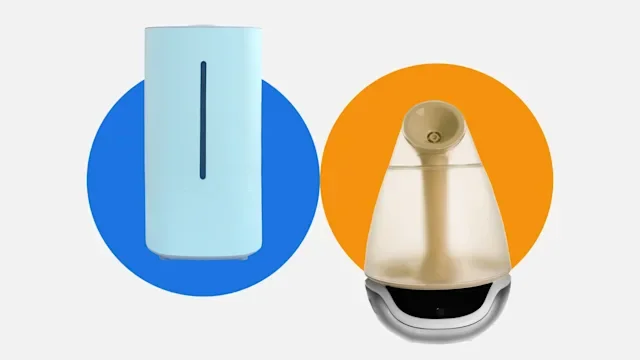
Use a humidifier: Humidifiers add moisture to the air. This can relieve stuffiness from a cold. It also makes it easier for inflamed nasal passage to filter air.
Support your immune system
There are also steps you can take to support your immune system while it works to fight off viruses and bacteria. Here are some necessary things to do:
Get plenty of rest. Good sleep supports immune health and helps you fight infection.
Stay hydrated. Make sure to drink plenty of fluids while you’re sick. This helps your immune system work at its best.
Eat a balanced diet. Eat nutritious foods that support your immune system, like vitamin- and protein-rich foods.
Manage chronic health conditions
Certain medical conditions increase your risk of developing pneumonia while you’re sick with a cold. Make sure to take all your prescribed medications, especially while you’re sick. Contact your healthcare team as soon as you develop symptoms of a cold. They may ask you to take additional medications or adjust your usual doses. This may lower your risk of developing pneumonia.
You can also talk to your healthcare team about vaccines that can lower your risk of viral infections, such as:
Respiratory syncytial virus (RSV)
The bottom line
Colds don’t cause pneumonia. But viruses that cause colds can also cause pneumonia. It’s also possible to develop pneumonia from another virus or bacteria while they’re sick with a cold. Older adults and those with asthma, COPD, or weakened immune systems are at higher risk of developing dual infections or superimposed pneumonia. Seek medical care right away if you develop fever, worsening cough, or trouble breathing when you have a cold. These are signs you could be developing pneumonia on top of a cold.

Why trust our experts?



References
Centers for Disease Control and Prevention. (2024). About common cold.
Centers for Disease Control and Prevention. (2025). Clinical guidance for RSV immunizations and vaccines.
Guppy, M. P. B., et al. (2011). Advising patients to increase fluid intake for treating acute respiratory infections. Cochrane Database of Systematic Reviews.
InformedHealth.org. (2023). Overview: Common colds. Institute for Quality and Efficiency in Health Care.
Išerić, E., et al. (2024). The common cold: The need for an effective treatment amid the FDA discussion on oral phenylephrine. Journal of Allergy and Clinical Immunology: Global.
Kornum, J. B., et al. (2008). Diabetes, glycemic control, and risk of hospitalization with pneumonia: A population-based case-control study. Diabetes Care.
Lee, Y. J., et al. (2023). Inhaled corticosteroids is not associated with the risk of pneumonia in asthma. Tuberculosis & Respiratory Diseases.
Liu, Y., et al. (2023). Dysregulation of immunity by cigarette smoking promotes inflammation and cancer: A review. Environmental Pollution.
Munteanu, C., et al. (2022). The relationship between nutrition and the immune system. Frontiers in Nutrition.
National Heart, Lung, and Blood Institute. (2022). Pneumonia: Causes and risk factors. National Institutes of Health.
National Institutes of Health. (2022). NIH-funded study shows sound sleep supports immune function.
Restrepo, M. I., et al. (2018). Pneumonia in patients with chronic obstructive pulmonary disease. Tuberculosis & Respiratory Diseases.