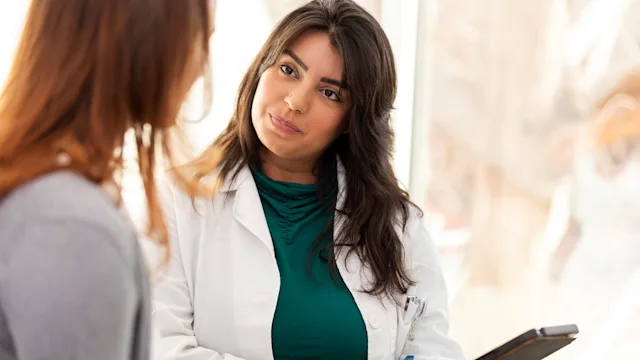
“We often encounter times when people feel that they may have contributed in some way in the development of cancer,” says Brenda Panzera, MD, Oncologist at The Mount Sinai Hospital and Lenox Hill Hospital. “It is never a patient’s fault when cancer is diagnosed. Cancer does not follow the rules.”
Breast cancer occurs when cells in the breast grow out of control. This can be triggered by gene mutations, which can be inherited at birth or acquired during a lifetime. While some acquired gene mutations come from lifestyle (such as smoking cigarettes), many are out of your control, such as air pollution. Still, these are just risk factors — not a guarantee.
What doesn’t cause breast cancer
For the most part, researchers have “insufficient evidence” about what does and does not increase the risk of breast cancer. One major risk factor is excess alcohol consumption: Alcohol increases estrogen in the body, and prolonged, elevated estrogen exposure to breast tissue raises the risk of breast cancer. On the other hand, there are a couple of things researchers can definitely rule out, such as wearing a bra, eating certain foods, or using deodorant.
What breast cancer doesn’t feel like
“One of the misconceptions is that women assume that if they have breast cancer, it’s going to be painful,” says Dr. Panzera.
Cancer *may* cause breast pain, but it’s not as common as other breast cancer symptoms — such as skin changes or nipple discharge. Women who believe breast pain is the one true sign of breast cancer may then dismiss other symptoms, simply because they’re not experiencing pain.
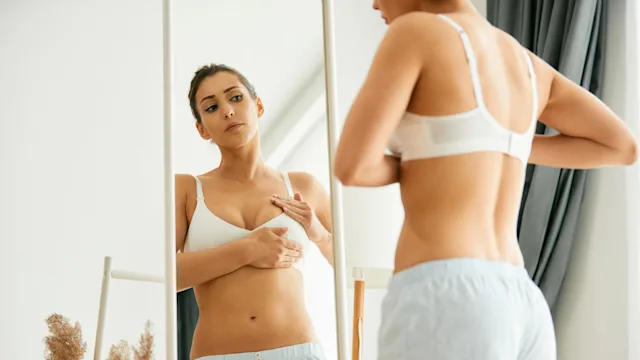
Furthermore, many women with breast cancer do not experience any symptoms at all. That is why breast cancer screening is so important.
“It’s important to know that despite all of the things that we have control over, we don’t always have control over whether or not breast cancer develops,” says Dr. Panzera.
Dr. Panzera is a clinical instructor in hematology and oncology at the Mount Sinai School of Medicine, and attending physician at Mount Sinai and Lenox Hill Hospitals.
References
American Cancer Society. (2021). What is breast cancer?
American Cancer Society. (2022). What is cancer?

Why trust our experts?