Key takeaways:
Oral contraceptives (OCs) are associated with lower levels of vitamins B6, B12, and folate.
If you are taking birth control pills, you may want to take a vitamin supplement and/or modify your diet so that you get enough of certain nutrients.
Folate-fortified OCs can keep folate at a healthy level. This is a great option for women who are planning to get pregnant shortly after stopping birth control.
Save on related medications
When you think about taking oral contraceptives (OCs) for birth control, you might wonder about potential side effects like headaches or vaginal spotting.
But a lesser-known side effect is nutritional deficiencies. Turns out that women who take OCs are more likely to develop lower levels of certain vitamins.
Thankfully, knowing the research can help you keep your vitamin levels optimal while also using your birth control of choice.
Search and compare options
What vitamin deficiencies are possible on birth control?
The latest evidence points to a few key vitamin levels that may be affected by being on hormonal birth control.
Vitamin B12: One study looked at over 200 women and found that women taking oral birth control had lower levels of B12 than women who were not taking birth control.
Vitamin B6: While results have been mixed, there is some evidence that taking OCs can decrease your level of B6.
Folate: Research has been mixed here as well. But a meta-analysis of 17 studies showed a significant reduction in folate levels for women of childbearing years who were taking OCs. This is especially important since low folate levels can increase the risk of birth defects.
What types of birth control are associated with vitamin deficiencies?
Oral contraceptives (OCs) are associated with vitamin deficiencies. It isn’t understood exactly why this link exists. However, OCs contain hormones (usually estrogen and/or progesterone) that are thought to change the way the body processes nutrients. So this may be why their use can lead to vitamin deficiencies.
The types of birth control not associated with any vitamin deficiencies include:
Female sterilization (getting your tubes tied).
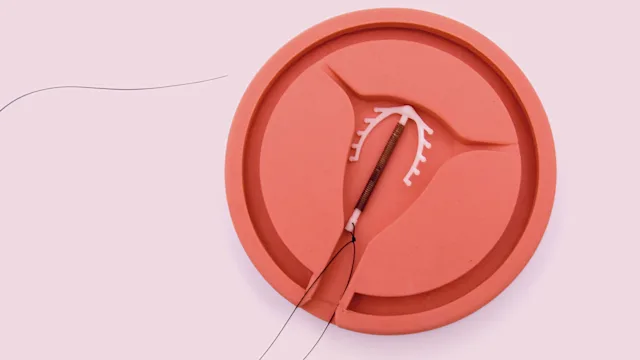
Birth control that contains hormones but isn’t taken by mouth: This includes the vaginal ring, skin patch, injection, and long-acting reversible contraceptives (LARCs). There is limited data on these other forms of hormonal birth control. But so far they aren’t linked with vitamin deficiencies.
Should you take supplements if you’re on birth control?
The answer isn’t entirely clear. Some feel that people should consider taking vitamin supplements while on birth control. However, we don’t actually know if these lower vitamin levels are clinically significant.
We also don’t have much evidence on the effect of vitamin supplements on women who take birth control pills. So a universal recommendation doesn’t exist.
One thing we do know: Taking folate-fortified OCs has been shown to help women maintain a healthy level of folate. This is great for women who want to get pregnant right after stopping birth control pills.
It may be worth discussing with your healthcare provider if vitamin supplementation would be beneficial for you.
Are there any vitamins you shouldn’t take while on birth control?
Taking birth control pills that contain estrogen may increase vitamin D levels by as much as 20%. So taking vitamin D isn’t necessary unless you know you have vitamin D deficiency.
Should you change your diet if you’re on birth control?
A healthy diet will always benefit you. Some of the above studies found that women in both the OC and non-OC group didn’t have enough vitamins in their diet. It’s possible that those who had inadequate nutritional intake were the ones most at risk of getting vitamin deficiencies from birth control.
Here are some of the best foods to choose when trying to maintain good levels of the following vitamins.
Folate: dark green leafy vegetables, liver, seafood, eggs, beans, and nuts
Vitamin B6: tuna, salmon, beef liver, chickpeas, and poultry
Vitamin B12: red meat, fish, liver, eggs, and dairy products
The bottom line
Oral contraceptives are a safe and reliable method of birth control. However, taking birth control pills may lead to lower levels of vitamins like B6, B12, and folate.
If you use birth control pills, consider reaching out to your healthcare provider to see if vitamin supplementation is right for you. But remember that the best place to get your vitamins is from real food. Aim to eat plenty of leafy green vegetables, fish, poultry, and nuts.

Why trust our experts?




References
Harmon, Q. E., et al. (2016). Use of estrogen-containing contraception is associated with increased concentrations of 25-hydroxy vitamin D. Journal of Clinical Endocrinology and Metabolism.
Harvard T. H. Chan School of Public Health. (n.d.). B vitamins.
Kiley, J., et al. (2007). Combined oral contraceptives: A comprehensive review. Clinical Obstetrics and Gynecology.
Lussana, F., et al. (2003). Blood levels of homocysteine, folate, vitamin B6 and B12 in women using oral contraceptives compared to non-users. Thrombosis Research.
Morris, M. S., et al. (2008). Plasma pyridoxal 5'-phosphate in the US population: The National Health and Nutrition Examination Survey, 2003-2004. American Journal of Clinical Nutrition.
Palmery, M., et al. (2013). Oral contraceptives and changes in nutritional requirements. European Review for Medical and Pharmacological Sciences.
Shere, M., et al. (2015). Association between use of oral contraceptives and folate status: A systematic review and meta-analysis. Journal D'Obstetrique et Gynecologie du Canada.
Shere, M., et al. (2015). The effectiveness of folate-fortified oral contraceptives in maintaining optimal folate levels to protect against neural tube defects: A systematic review. Journal D'Obstetrique et Gynecologie du Canada.