Key takeaways:
Exercise-induced bronchoconstriction (EIB) — previously called exercise-induced asthma — causes cough and trouble breathing during exercise.
You can develop EIB even if you don’t have asthma. But people with asthma are more likely to experience this condition.
Albuterol treatment can stop symptoms and let you get back to your usual exercise routine.
Save on related medications
Some people experience coughing and chest tightness when they exercise.
Exercise-induced bronchoconstriction (EIB), previously called “exercise-induced asthma” or EIA, can make it hard to exercise and play sports. If you cough or have trouble breathing when you exercise, here’s how you can tell if you have exercise-induced bronchoconstriction .
What is exercise-induced bronchoconstriction (EIB)?
Many things can trigger airway inflammation. One of those triggers is exercise.
Exercise-induced bronchoconstriction (EIB) is a condition where people experience asthma symptoms when they start exercising. EIB has gone by many other names in the past including:
Exercise-induced asthma
Sports-induced asthma
Athletic-induced asthma
Exercise-induced bronchial asthma
Exercise-induced bronchospasm
There’s a reason experts have landed on exercise-induced bronchoconstriction. EIB describes a situation where someone without a history of asthma experiences symptoms during exercise. It doesn’t have to be during sports — any exercise could trigger these symptoms. And it doesn’t only happen to athletes.
Meanwhile exercise-induced asthma is used to describe people with a history of asthma who experience asthma flares or worsening asthma symptoms during exercise.
Symptoms of exercise-induced bronchoconstriction
Symptoms of EIB include:
Cough
Chest tightness
Trouble breathing and wheezing
Shortness of breath
Inability to keep up with others during exercise
The symptoms usually start a few minutes after someone starts exercising and get worse over the next 10 to 15 minutes as the lungs clamp down or constrict.
Most people start to feel better between 30 and 90 minutes after they stop exercising as the lungs start to relax. Interestingly, once symptoms go away, people can experience a “refractory period” that lasts about 1 to 3 hours. During the refractory period, people are able to exercise and not experience any symptoms.
What causes exercise-induced bronchoconstriction?
EIB is caused by inflammation in the lungs’ airways. During exercise, airways dry out and become irritated as you breathe quicker and heavier. In some people, this irritation leads to inflammation, which makes the airways clamp down.
Air can’t pass through easily when the airways are clamped down (constricted). This leads to symptoms like cough and trouble breathing.
It’s important to know that exercise-induced bronchoconstriction isn’t a sign of physical deconditioning — even Olympic athletes experience EIB.
Risk factors for exercise-induced bronchoconstriction
Some people are more likely to experience exercise-induced bronchoconstriction. Here are some things that increase your risk of developing EIB:
Age
Children are more likely to have exercise-induced bronchoconstriction than adults.
Genetics
Exercise-induced bronchoconstriction runs in families. That means you’re more prone to experience EIB if you (or a family member) have one of those conditions.
Environment
More recent research shows that dry air appears to be the prime culprit that leads to exercise-induced bronchoconstriction. So people who live in a dry climate are more likely to experience EIB symptoms. But remember, cold air is also dry, so exercise in cold weather can also trigger EIB.
What kinds of sports can trigger exercise-induced bronchoconstriction?
Any type of exercise can trigger exercise-induced bronchoconstriction. But high-endurance sports are more likely to trigger symptoms, including:
Running
Soccer
Lacrosse
Outdoors sports and activities that take place during winter are also more likely to trigger EIB. These include:
Skiing
Snowboarding
Hockey
Ice skating
Snowshoeing
How do you diagnose exercise-induced bronchoconstriction?
Most of the time, a healthcare professional can diagnose exercise-induced bronchoconstriction based on your symptoms.
If it’s not clear that your symptoms are due to EIB, you may need to see an asthma or lung specialist (pulmonologists). A pulmonologist can measure your lung function using pulmonary function tests. These tests can show if you have EIB.
How do you treat exercise-induced bronchoconstriction?

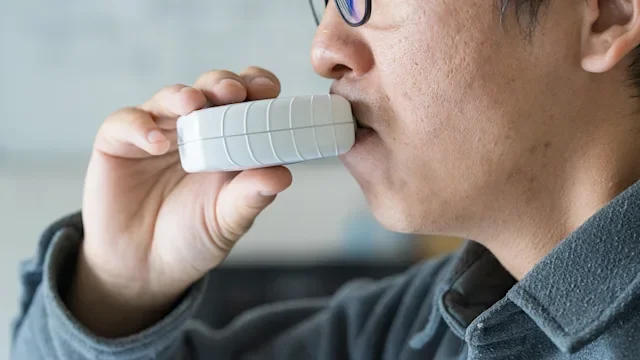
Albuterol (ProAir, Proventil, Ventolin) is an inhaled medication that treats exercise-induced bronchoconstriction. Albuterol relaxes the airway muscles making it easier for you to breathe. You can use this inhaler 15 minutes before you exercise. This keeps you from having symptoms and lets you finish your usual exercise routine without interruption.
Are there ways to treat exercise-induced bronchoconstriction naturally?
In addition to medication, these things can help you manage your exercise-induced bronchoconstriction:
Get regular exercise.
Warm up slowly for 10 to 15 minutes before exercising.
Breathe warm, humid air while you’re exercising. Sometimes breathing through a face mask or scarf can help.
Avoid exercising in areas with air pollution, high levels of pollen, or on days when air quality is low.
Which other conditions feel like exercise-induced bronchoconstriction?
Other conditions have symptoms similar to exercise-induced bronchoconstriction. Some of these aren’t serious, but others need medical attention.
Deconditioning
If you haven’t exercised in a while, then exercising a bit can easily make you feel out of breath. But this is different from exercise-induced bronchoconstriction. If your symptoms go away quickly when you stop exercising, they’re more likely due to being out of shape than EIB. If you’re just getting back into exercise, start slowly. Take time to warm up and listen to your body. Your healthcare team can also help you figure out if deconditioning or EIB is causing your symptoms.
Heart problems
Chest tightness or pressure can be an EIB symptom. But it can also be a sign that you’re having trouble with your heart. If you have chest pain when you exercise (or even when you don’t), talk with your healthcare team right away.
Exercise-induced laryngospasm
Sometimes, exercise can cause a temporary spasm of the vocal cords. This condition is also called vocal cord dysfunction. This can feel like exercise-induced bronchoconstriction because you might experience difficulty breathing, coughing, and chest tightness.
But exercise-induced laryngospasm starts fast and goes away quickly when you stop exercising. It only affects air flowing into your lungs, not out of your lungs, often causing a strange noise to your in-breath. Asthma medications like albuterol won’t help with laryngospasm. This condition is usually diagnosed based on symptoms. But sometimes a healthcare professional may use a camera test to look at your vocal cords while you exercise.
Exercise-induced anaphylaxis
This condition is very rare, but sometimes exercise produces an allergic reaction with hives and itching. Sometimes this is related to a certain food you ate before you exercised. If you develop an itchy rash when you exercise, talk with a healthcare professional about allergy testing.
Illness
If you’re still recovering from a cold, bronchitis, or pneumonia, you might find that exercise brings back your cough. You might also have chest tightness and difficulty breathing. Slow down on your exercise if this happens, and give yourself more time to recover.
Do you have to stop exercising if you have exercise-induced bronchoconstriction?
You don’t have to stop exercising or playing sports if you have exercise-induced bronchoconstriction. EIB is rarely dangerous. But you need to get treatment to make sure EIB doesn’t take a toll on your athletic performance.
Talk with your healthcare team about how to stay active with EIB. These steps can help you stay active and healthy:
Monitor air quality levels before doing an activity outside. If the levels are high, move to an indoor facility for the activity.
Use your medication(s) as prescribed before an activity, and always have your rescue inhaler with you during an activity.
Can exercise-induced bronchoconstriction go away?
Children sometimes outgrow exercise-induced bronchoconstriction. But there’s no cure for EIB. Most people who have EIB will have it throughout life. This doesn’t mean you have to give up sports or exercise. With the right treatment, you can stay active and symptom free.
Frequently asked questions
Exercise-induced bronchoconstriction is very common. Studies show that anywhere from 5% to 20% of people who have no history of asthma develop asthma symptoms during exercise.
Yes, regular exercise reduces symptoms of exercise-induced bronchoconstriction. Exercise improves EIB by strengthening your breathing muscles, reducing airway inflammation, and improving lung function.
Exercise-induced bronchoconstriction is very common. Studies show that anywhere from 5% to 20% of people who have no history of asthma develop asthma symptoms during exercise.
Yes, regular exercise reduces symptoms of exercise-induced bronchoconstriction. Exercise improves EIB by strengthening your breathing muscles, reducing airway inflammation, and improving lung function.
The bottom line
Exercise-induced bronchoconstriction (EIB) is a condition that causes cough, chest tightness, and trouble breathing when you exercise. There are effective treatments for EIB, so you don’t have to give up exercise or your favorite sport.

Why trust our experts?




References
Aggarwal, B., et al. (2018). Exercise-induced bronchoconstriction: Prevalence, pathophysiology, patient impact, diagnosis and management. Nature Partner Journals Primary Care Respiratory Medicine.
American Academy of Allergy, Asthma & Immunology. (2023). Exercise and asthma.
American College of Allergy, Asthma & Immunology. (n.d.). Exercise-induced bronchoconstriction (EIB).
Asthma and Allergy Foundation of America. (2024). Exercise-induced bronchoconstriction (asthma).
Caggiano, S., et al. (2017). Exercise-induced bronchospasm and allergy. Frontier in Pediatrics.
Gerow, M., et al. (2023). Exercise-induced bronchoconstriction. StatPearls.
Giannetti, M. P. (2018). Exercise-induced anaphylaxis: Literature review and recent updates. Current Allergy and Asthma Reports.
GuidelineCentral. (n.d.). Exercise-induced bronchoconstriction.
Malewska-Kaczmarek, K., et al. Exercise-induced bronchoconstriction in children: A comparison between athletes and non-athletes. (2023). Healthcare.
MedlinePlus. (2024). Exercise-induced asthma.
Molis, M. A., et al. (2010). Exercise-induced bronchospasm. Sports Health.
Mountjoy, M., et al. (2015). Prevalence and characteristics of asthma in the aquatic discipline. The Journal of Allergy and Clinical Immunology.
Weiler, J. M., et al. (2016). Exercise-induced bronchoconstriction update— 2016. The Journal of Allergy and Clinical Immunology.