Key takeaways:
Arthritis can affect any joint in the body, including the ones in your feet.
Many types of arthritis can affect the feet. The most common type is osteoarthritis.
Treatment of foot arthritis includes both medications and non-medication options.
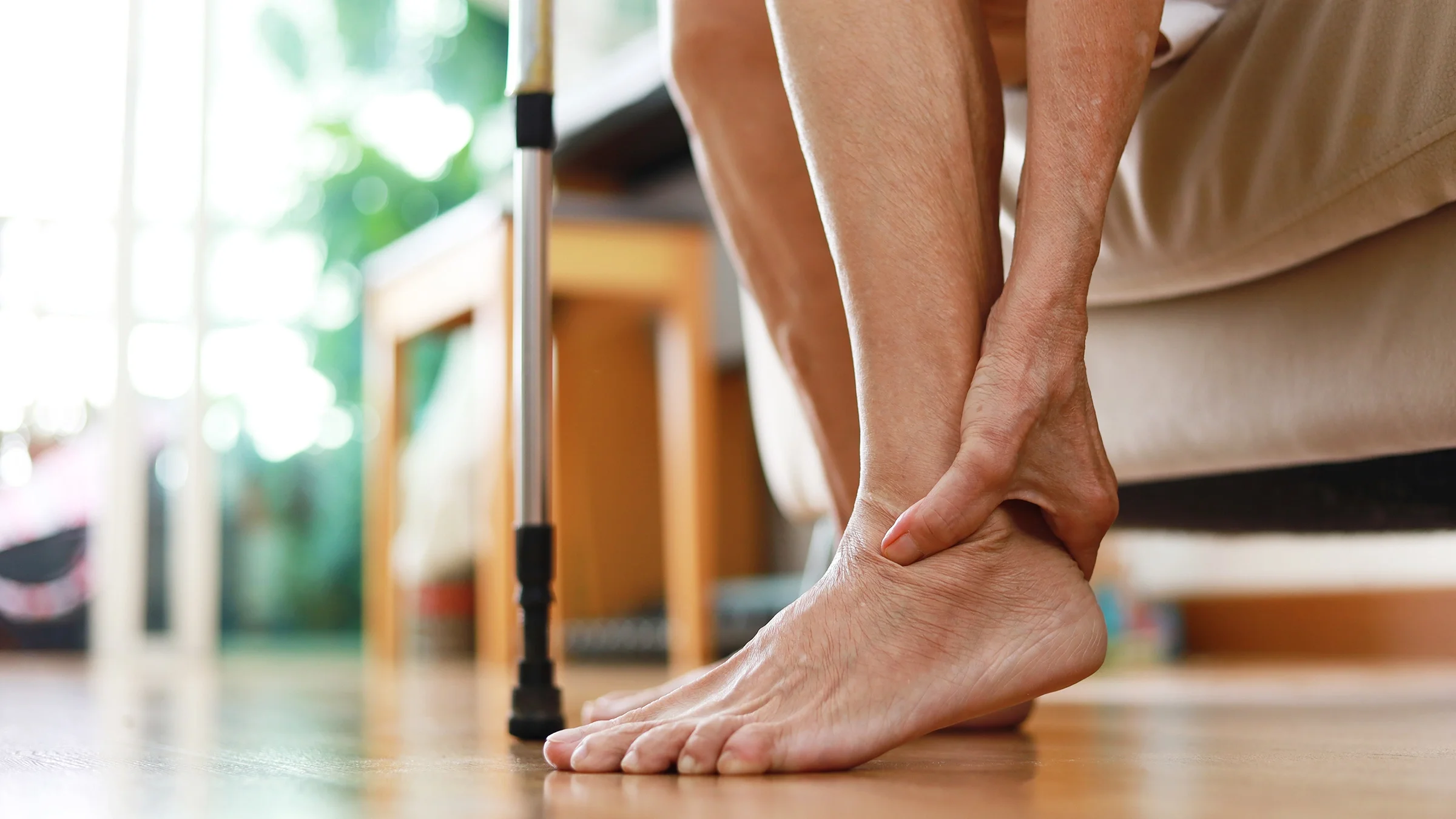
You may not think about your feet until you feel something wrong with them. But when they hurt, it can be hard to go about your daily activities. Different structures in the foot can lead to many causes of foot pain. And one cause of foot pain could be arthritis.
Arthritis means pain or inflammation of a joint — the area where two bones meet. There are 33 joints in each foot, and this means there are plenty of opportunities for arthritis. Let’s take a closer look at pain caused by arthritis of the foot and the best way to treat it.
What types of arthritis can you get in your feet?
Arthritis can seem like a broad term. It means a joint is painful and inflamed, but it doesn’t describe why. There are many types and causes of arthritis that can affect the feet. Some of the more common ones are described below.
Search and compare options
Osteoarthritis
Osteoarthritis is the most common type of arthritis. It happens when cartilage (which provides cushioning in the joint) breaks down over time. It can cause pain, swelling, and stiffness.
Gout
Gout happens when uric acid crystals collect in the joint, causing inflammation and pain. It tends to appear in the feet and knees, but it can happen in any joint.
Autoimmune arthritis
This is an umbrella term for autoimmune conditions like rheumatoid arthritis or psoriatic arthritis that affect the joints. The inflammation in the joints from these types of arthritis can cause pain, swelling, and stiffness, like the other types above. But in these cases, the cause is dysfunction of the immune system.
Post-traumatic arthritis
Joint injury, or trauma, can also cause joint pain. Most injuries recover over time. In some cases, though, they can cause ongoing pain or even speed up osteoarthritis. For example, if you’ve broken a bone in your foot, it could cause discomfort later, especially if it involved a joint.
What are the early symptoms of arthritis in your feet?
Early symptoms of arthritis in the foot joints include:
Pain, especially when bearing weight
Tenderness to touch
Stiffness
Redness
Warmth
Swelling
Gout causes symptoms to quickly develop, often overnight. This pain is usually pretty severe. Pain, swelling, redness, and warmth often start in the big toe joint, but they may also involve the whole foot.
Other types of arthritis in the feet usually start more slowly, taking weeks, months, or even years to develop. You might notice stiffness first, followed by pain and swelling.
Symptoms of arthritis are usually limited to joints. So you may not have pain in your arches and heels because there are no joints in these areas.
What causes arthritis in your feet?
There are different causes for each specific type of arthritis:
Joint wear and tear (osteoarthritis)
High levels of uric acid in the blood (gout)
Overactive immune system (autoimmune arthritis)
A prior foot injury like a fracture (post-traumatic arthritis)
Overusing a joint can make other types of arthritis worse. So, if you have any of the types of arthritis listed above, doing too much can trigger a flare of your arthritis. For example, if you have osteoarthritis in your feet, and you walk more than usual in a short period of time, your foot pain may get worse.
Cold and rainy weather can also worsen arthritis symptoms.
How is foot arthritis diagnosed?
There are no specific arthritis tests. But a healthcare professional can diagnose arthritis in your feet with a combination of the following:
Listening to your symptoms
Examining your feet
X-rays, which show your bones and joints
These are usually enough to determine if you have arthritis in your feet. But sometimes, more tests can be helpful. For example, blood tests can also provide clues for autoimmune arthritis and gout. A joint aspiration — which involves inserting a needle into the joint, removing fluid, and looking at the fluid under a microscope — can also be helpful.
Treatment for arthritis in the feet
Treatment for foot arthritis depends on the cause. But there are some treatments that may help all types of arthritis. These include both medications and non-medication options.
Medication options
There are several options for joint pain relief, both over-the-counter (OTC) and prescription:
Pain relievers like acetaminophen and anesthetic patches
Anti-inflammatory creams like capsaicin and menthol (Icy Hot)
Nonsteroidal anti-inflammatory drugs (NSAIDs) like OTC ibuprofen, celecoxib, or diclofenac gel
Supplements like turmeric and collagen
Prescription medications, which are specific to the type of autoimmune condition or for gout treatment, for example
Non-medication options
If your foot pain isn’t severe, you may be interested in other ways to manage your discomfort. If you have arthritis in your feet, these non-medication options could help:
Better foot support: Changes in your shoes or orthotics can help you tolerate standing and walking better.
Physical therapy: Physical therapists (PTs) can personalize programs to relieve stress on your foot joints. They can also help with foot support and mobility assistance devices. It’s important to stay active so you keep your muscles strong and your joints loose.
Home exercises: There are also exercises you can do to strengthen your arches or relieve forefoot pain.
Weight loss: Carrying extra weight often puts extra stress on the joints. So reaching or maintaining a weight that feels right for you can often reduce pain.
What is the best thing to do for arthritis in feet?
Treatment depends on the cause. There’s no one-size-fits all approach. It’s important to work with your healthcare team to create a plan that helps you feel your best.
Frequently asked questions
Ankle pain is common in rheumatoid arthritis. It’s also a symptom of many other autoimmune conditions, such as ankylosing spondylitis and psoriatic arthritis. It’s impossible to diagnose a type of arthritis based on the joint affected.
It depends on the type of arthritis and the person. Sometimes, arthritis pain starts with stiffness and pain. But other times it starts as swelling and warmth. Eventually, it can limit motion in the joint. And gout often causes all the symptoms all at once and suddenly. So it’s different for everyone.
The good news is that you have many options to prevent arthritis from getting worse. These include:
Maintaining your weight
Staying active
Taking your medications as directed
Avoiding shoes that may worsen foot pain (like high heels)
Ankle pain is common in rheumatoid arthritis. It’s also a symptom of many other autoimmune conditions, such as ankylosing spondylitis and psoriatic arthritis. It’s impossible to diagnose a type of arthritis based on the joint affected.
It depends on the type of arthritis and the person. Sometimes, arthritis pain starts with stiffness and pain. But other times it starts as swelling and warmth. Eventually, it can limit motion in the joint. And gout often causes all the symptoms all at once and suddenly. So it’s different for everyone.
The good news is that you have many options to prevent arthritis from getting worse. These include:
Maintaining your weight
Staying active
Taking your medications as directed
Avoiding shoes that may worsen foot pain (like high heels)
The bottom line
You might be surprised to learn that you can get arthritis in your feet. But there are medication and non-medication options that can help. If you’re experiencing foot pain, talk to a healthcare professional. Together, you’ll determine the cause and the best treatments to get you back on your feet.

Why trust our experts?




References
Arthritis Foundation. (n.d.). Physical therapy for arthritis.
Arthritis Foundation. (2023). A guide to the best shoes for arthritis.
Johns Hopkins Medicine. (n.d.). Joint aspiration.
Manganaro, D., et al. (2023). Anatomy, bony pelvis and lower limb, foot joints. StatPearls.
MedlinePlus. (2023). Uric acid - blood.
Repinski, K. (2019). Best shoes for arthritis: 8 rules for buying the right pair (and 3 mistakes to avoid). CreakyJoints.