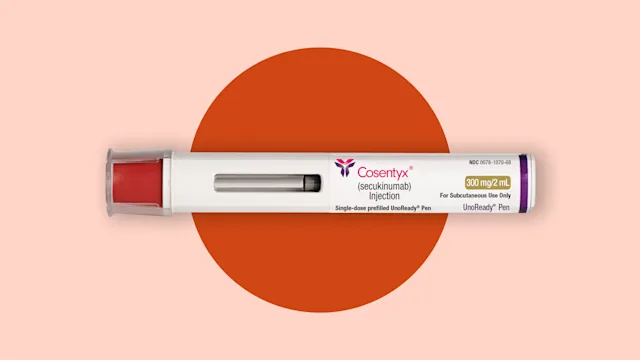
Ankylosing spondylitis occurs when the immune system mistakenly attacks healthy tissue in the spine. This autoimmune disease causes symptoms like pain and stiffness, but it also increases the risk of spinal damage over time. Worst of all, it can lead to spinal fusion.
That’s why it’s important to get diagnosed and start treatment early. It’s also crucial to stick to your treatments, even when you’re feeling well. This can help slow the progression of AS and prevent spinal fusion and other complications.
Nilasha Ghosh, MD, MS, is a board-certified Rheumatologist with expertise in autoimmune diseases, inflammatory arthritis, and musculoskeletal medicine.
References
Kim, D, et al. (2020). Complete Fusion of Three Lumbar Vertebral Bodies in Ankylosing Spondylitis. Korean Journal of Neurotrauma.
Koele, M. C., et al. (2020). The clinical relevance of hyperkyphosis: a narrative review. Frontiers in Endocrinology.
MedlinePlus. (2016). Ankylosing Spondylitis.
Spondylitis Association of America. Overview of Ankylosing Spondylitis.
University of Maryland Medical System. (2003). A Patient's Guide to Ankylosing Spondylitis.
Wenker, K. J., et al. (2022). Ankylosing spondylitis. StatPearls [Internet].

Why trust our experts?