Key takeaways:
Many people try local honey to relieve seasonal allergies. But there isn’t much data to back it up.
Local honey probably doesn’t contain the right type of pollen — or enough of it — to be an effective way to sensitize the immune system.
Honey may not ease your allergy symptoms, and it comes with some potential risks including allergic reactions and exposure to harmful bacteria. It’s important to avoid giving honey to children younger than age 1.
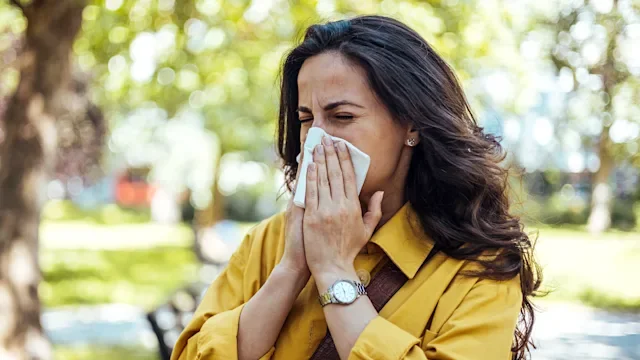
Pollen during allergy season can irritate the eyes, nose, and throat. Seasonal allergies — also called allergic rhinitis — are more than just annoying. They can have a big impact on your ability just to get through the day.
So, wouldn’t it be nice if you could treat seasonal allergy symptoms with a spoonful of local honey? Unfortunately, this popular home remedy doesn’t have much evidence to back it up. Let’s look at what the science says about honey’s role in allergy relief and explore what other treatments may help.
Why do some believe local honey could help with seasonal allergies?
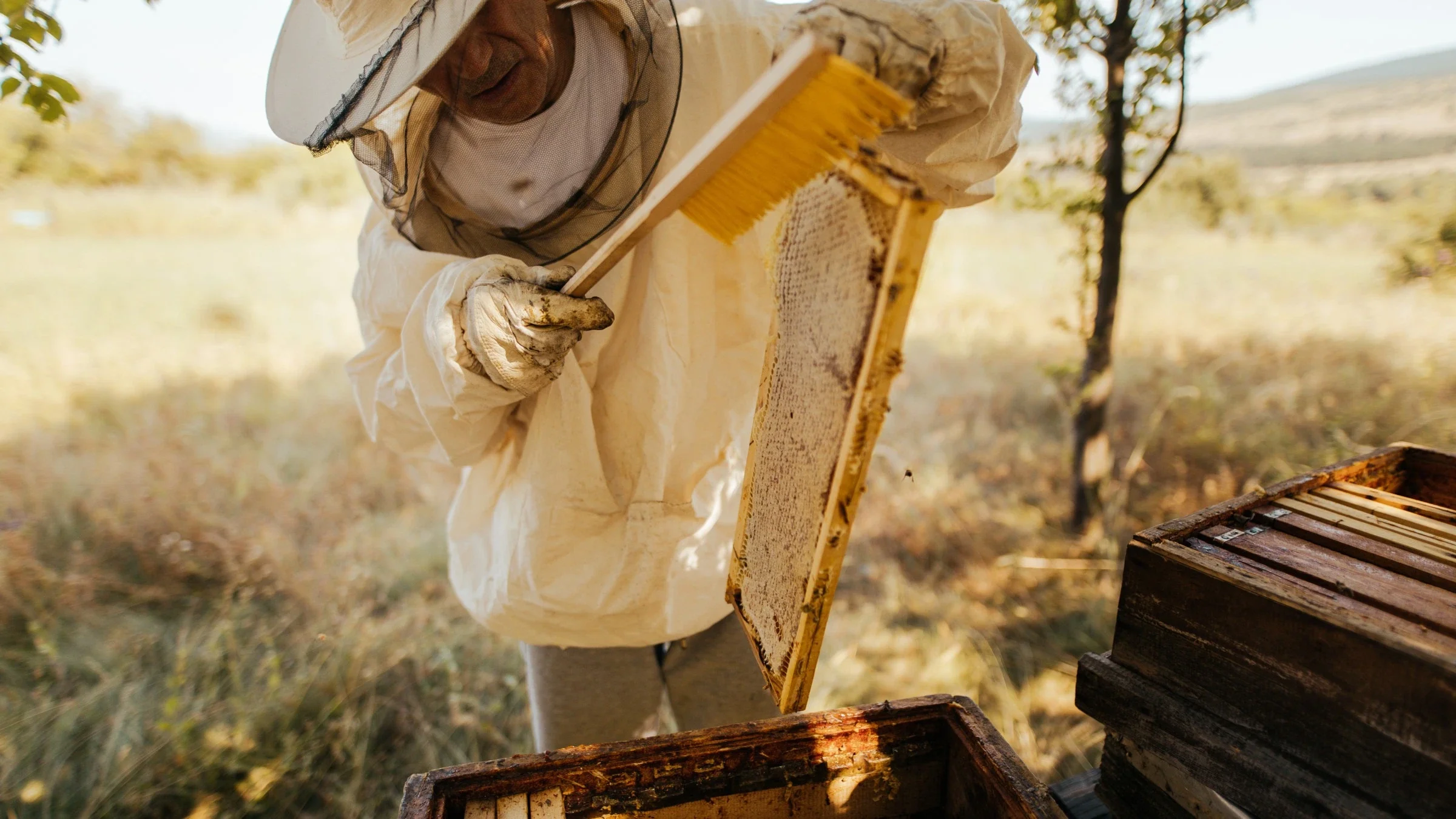
Some believe that local unpasteurized honey helps seasonal allergies because it contains local pollen — and that this can help desensitize your body to it over time. This follows a similar theory that led to the invention of allergy shots. And these shots have shown to be very effective.
Search and compare options
What does the science say about eating local honey for allergies?
The research on treating allergies with honey is limited. And the data is mixed.
One study divided people with seasonal allergies into three groups:
The first group consumed local raw honey.
The second consumed commercially produced honey.
The third group got a placebo (honey-flavored corn syrup).
At the end of the study, there was no difference in allergy symptoms between the three groups.
Another study compared a group of people who had raw honey every day with a control group who had placebo. (Both groups were also given an antihistamine.) After 4 weeks, there was no difference between the two groups.
But there was an interesting additional finding in the study. The researchers also recorded allergy symptoms at an 8 week follow-up. So, this was 4 weeks after the participants stopped taking both the honey and the antihistamine. And they noted that the group who’d eaten honey at the beginning of study had improved symptoms compared to the placebo group.
We can’t draw any firm conclusions from these studies. But the results are still interesting, and they suggest we need more research on the topic.
A more recent mini-review found that honey may help improve certain allergy symptoms and could have natural anti-allergy benefits. That said, scientists still need to learn more, especially about which specific natural compounds in different types of honey are responsible for these effects.
So, there isn’t yet strong evidence behind the claim that local honey can be used to treat allergies. And experts have reasons to doubt honey as a cure-all for seasonal allergies.
Why honey might not work
According to the American College of Allergy, Asthma, and Immunology, there are a few problems with the honey remedy for allergies:
Inconsistent amount of pollen in honey: Since bees don’t follow a consistent honey “recipe,” it’s hard to know how much pollen you’re getting from raw honey. In contrast, we know exactly what’s in allergy shots, and allergy shots are designed to go up in dose over time.
Honey may contain the “wrong kind” of pollen: Not all pollen causes seasonal allergies. And so honey may not contain the kind that causes seasonal allergies. Most allergy-triggering pollens are spread by wind, not by bees. So the airborne pollens that typically cause seasonal allergies don’t usually end up in honey.
How much honey per day helps with allergies?
Since it’s not clear if honey actually helps with allergies, there’s no recommended dose for how much honey you should take.
The study that found honey to be effective against seasonal allergies used very large doses: 1 g of honey per kilogram of body weight. For someone who weighs 150 lbs, this would mean taking nearly 10 teaspoons of honey daily. That amount alone would exceed the daily recommended amount for added sugar. High doses of honey aren’t recommended because of high sugar content.
People who believe that honey can help seasonal allergies often recommend taking 1 tsp of honey daily.
Are there any risks to eating honey?
Eating honey won’t cause a problem for most people. But there are some real risks to be aware of:
Allergic reaction: This can lead to itching, hives, and swelling in rare cases. This can be caused by a reaction to the bee pollen or bee proteins in the honey.
Harmful bacteria: Raw or unprocessed honey may also contain Clostridium botulinum, the bacteria which causes botulism — a toxic condition that can be deadly.
Infant botulism: Infant botulism can contaminate raw honey, which is very dangerous for infants with immature digestive systems. This is why honey should never be given to children younger than 1 year old.
Sugar content: Honey is a natural sweetener, but it’s still an added sugar. So it’s important to eat it in moderation, especially if you have diabetes.
What are some proven ways to combat seasonal allergies?
One way to relieve seasonal allergies is to try to avoid exposure to pollen. When pollen counts are high, the following lifestyle adjustments could help you avoid allergy symptoms:
Limit your time outside.
Use an air purifier or air conditioner inside your home, and keep your windows closed.
Take off your “outdoor clothes” when you come inside.
Dry your clothes indoors rather than outside on a clothesline.
Wear a hat, sunglasses, and mask outside to keep allergens off your face and out of your eyes.
If seasonal allergies are making you miserable or interrupting your sleep and work, ask your primary care provider about allergy medications, such as cetirizine (Zyrtec) or loratadine (Claritin).
Frequently asked questions
Local honey is thought to be best for allergies because it’s more likely to contain local pollens that trigger seasonal allergies. One review found that tualang and manuka honey were the most effective for treating allergic conditions. But local honey may not actually contain the right type of pollen to help with seasonal allergies.
Honey may have other potential health benefits. People use it as a natural remedy for cough and cold symptoms for adults and children over age 1. Honey may also have uses for skin because of its antibacterial properties. And its inflammation-fighting antioxidants may help lower your risk of chronic conditions including heart disease. But all of this research is still in the early phases.
It’s hard to say which type of honey is the most anti-inflammatory, because some honey varieties are simply less studied. But some of the honey types with the most evidence of anti-inflammatory activity include manuka, tualang, and gelam.
Raw honey may be more anti-inflammatory than processed honey. That’s because raw honey isn’t exposed to the high heat from processing that can cause loss of nutrients, including antioxidants. But raw, unpasteurized honey isn’t safe for everyone. It can contain pathogens that could be a problem for people with a weakened immune system.
Local honey is thought to be best for allergies because it’s more likely to contain local pollens that trigger seasonal allergies. One review found that tualang and manuka honey were the most effective for treating allergic conditions. But local honey may not actually contain the right type of pollen to help with seasonal allergies.
Honey may have other potential health benefits. People use it as a natural remedy for cough and cold symptoms for adults and children over age 1. Honey may also have uses for skin because of its antibacterial properties. And its inflammation-fighting antioxidants may help lower your risk of chronic conditions including heart disease. But all of this research is still in the early phases.
It’s hard to say which type of honey is the most anti-inflammatory, because some honey varieties are simply less studied. But some of the honey types with the most evidence of anti-inflammatory activity include manuka, tualang, and gelam.
Raw honey may be more anti-inflammatory than processed honey. That’s because raw honey isn’t exposed to the high heat from processing that can cause loss of nutrients, including antioxidants. But raw, unpasteurized honey isn’t safe for everyone. It can contain pathogens that could be a problem for people with a weakened immune system.
The bottom line
Using local honey is delicious and, for most people, perfectly safe to use. But when it comes to calming seasonal allergies, the science just isn’t there. If sneezing fits and itchy, watery eyes are making you miserable, don’t just power through it. Talk with a healthcare professional about medications and lifestyle strategies that can help relieve your symptoms. Save the honey for your tea, and turn to evidence-based care for your sinuses.

Why trust our experts?




References
Aguiar, R., et al. (2017). Anaphylaxis caused by honey: A case report. Asia Pacific Allergy.
American Academy of Allergy Asthma and Immunology. (2023). Allergy shots (immunotherapy).
American Academy of Allergy Asthma and Immunology. (2025). Local honey myths and allergy treatment: What does the science say?
American Heart Association. (2024). Added sugars.
Asha’ari, Z. A., et al. (2013). Ingestion of honey improves the symptoms of allergic rhinitis: Evidence from a randomized placebo-controlled trial in the east coast of Peninsular Malaysia. Annals of Saudi Medicine.
Asthma and Allergy Foundation of America. (2024). Pollen allergy.
Aw Yong, P. Y., et al. (2020). The potential use of honey as a remedy for allergic diseases: A mini review. Frontiers in Pharmacology.
Centers for Disease Control and Prevention. (2021). Body measurements.
Khalil, M. L., et al. (2010). The potential role of honey and its polyphenols in preventing heart diseases: A review. African Journal of Traditional, Complementary and Alternative Medicines.
Korioth, T. (2018). Remind families: Honey can cause infant botulism. AAP News.
Malesker, M. A., et al. (2017). Pharmacologic and nonpharmacologic treatment for acute cough associated with the common cold. Chest.
Rajan, T. V., et al. (2002). Effect of ingestion of honey on symptoms of rhinoconjunctivitis. Annals of Allergy, Asthma & Immunology.
Ranneh, Y., et al. (2021). Honey and its nutritional and anti-inflammatory value. BMC Complementary Medicine and Therapies.
U.S. Depart of Agriculture. (2024). Clostridium botulinum & botulism.