

7 Bile Acid Sequestrant Interactions You Should Know About
Bile acid sequestrants help lower cholesterol. But they can affect the absorption of other drugs, limiting their effectiveness.
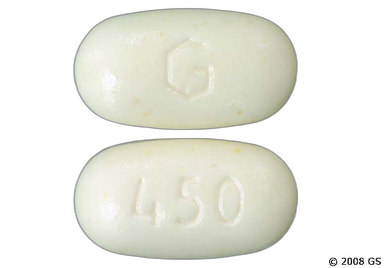
Colestipol, also known by its brand name Colestid, is a bile acid sequestrant. It's used along with diet and exercise to treat high cholesterol in adults. Colestipol (Colestid) comes as tablets and granules for suspension. Depending on the dose, the medication is taken either once per day or many times per day. Side effects generally include constipation, bloating, and stomach pain.

Colestipol (Colestid) is a bile acid sequestrant. It works by attaching to bile acid in your intestines, causing your body to get rid of them in your stool. To replace the lost bile acids, your liver uses the cholesterol in your body to make more. This helps lower the amount of cholesterol in your blood.
| Common Brands | Colestid |
|---|---|
| Drug Class | Bile acid sequestrant |
| Controlled Substance Classification | Not a controlled medication |
| Generic Status | Lower-cost generic available |
| Availability | Prescription only |

The following side effects may get better over time as your body gets used to the medication. Let your healthcare provider know immediately if you continue to experience these symptoms or if they worsen over time.
Contact your healthcare provider immediately if you experience any of the following.
Along with its needed effects, a medicine may cause some unwanted effects. Although not all of these side effects may occur, if they do occur they may need medical attention.
Check with your doctor immediately if any of the following side effects occur:
Check with your doctor as soon as possible if any of the following side effects occur:
More common
Rare
Loss of weight (sudden)
Some side effects may occur that usually do not need medical attention. These side effects may go away during treatment as your body adjusts to the medicine. Also, your health care professional may be able to tell you about ways to prevent or reduce some of these side effects. Check with your health care professional if any of the following side effects continue or are bothersome or if you have any questions about them:
Other side effects not listed may also occur in some patients. If you notice any other effects, check with your healthcare professional.
Call your doctor for medical advice about side effects. You may report side effects to the FDA at 1-800-FDA-1088.




Colestipol (Colestid) can cause some serious health issues. This risk may be even higher for certain groups. If this worries you, talk to your doctor or pharmacist about other options.
Colestipol (Colestid) can cause choking if it's not taken correctly. If you use the granules for suspension, never swallow them in their dry form. Mix the granules with at least 3 ounces of liquid first before taking the medication.
If you take the colestipol tablets, swallow them one at a time.
Tell your prescriber if you have trouble swallowing. Get medical help right away if you have trouble breathing or feel pressure or discomfort in your throat after taking colestipol.
Colestipol (Colestid) can interfere with how your body absorbs certain vitamins. These include folic acid and vitamins A, D, E, and K. Ask your prescriber if you need to take a vitamin supplement while taking colestipol (Colestid).
If you take a vitamin supplement, take it at least 1 hour before or 4 hours after colestipol (Colestid). This helps your body absorb the vitamins properly.
Colestipol (Colestid) can raise your risk of bleeding. This can happen because the medication can lower vitamin K, which helps your blood clot and stop bleeding.
Tell your care team if you bruise more easily, have bleeding that takes longer to stop, or notice blood in your urine or stool.
Take other medications by mouth at least 1 hour before or 4 hours after colestipol (Colestid). Colestipol (Colestid) can interfere with how your body absorbs oral medications. This can cause those other medications to work less well. Examples include birth control pills and thyroid medications.
Some versions of colestipol granules, like brand name Colestid, can contain phenylalanine. Phenylalanine comes from the artificial sweetener aspartame. If you have a genetic condition called phenylketonuria (PKU), too much phenylalanine can be harmful.
If you have PKU, tell your prescriber. Also ask your pharmacist if your colestipol granules contain phenylalanine. They can help find a version without it.

 Bottle of powder
| Dosage | Quantity | Price as low as | Price per unit |
|---|---|---|---|
| 500g of 5g/dose | 1 bottle | $65.90 | $65.90 |
 Carton
| Dosage | Quantity | Price as low as | Price per unit |
|---|---|---|---|
| 30 packets of 5g | 2 cartons | $62.34 | $31.17 |
| 90 packets of 5g | 1 carton | $91.26 | $91.26 |
 Packet
| Dosage | Quantity | Price as low as | Price per unit |
|---|---|---|---|
| 5g of 5g/dose | 30 packets | $33.42 | $1.11 |
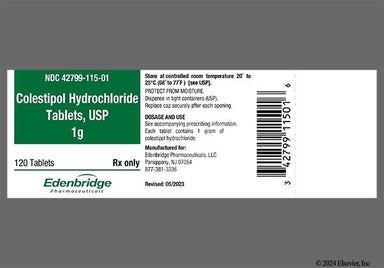
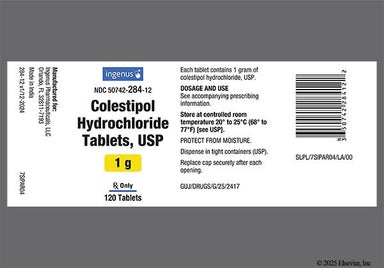
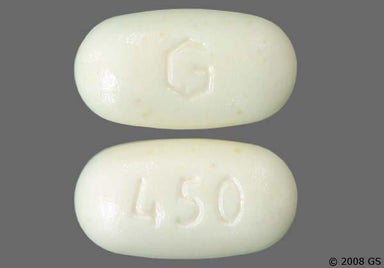
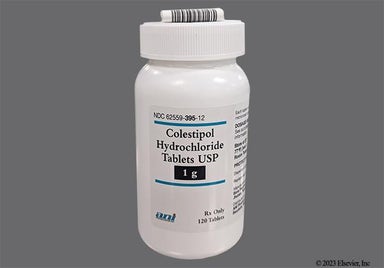
 Tablet
| Dosage | Quantity | Price as low as | Price per unit |
|---|---|---|---|
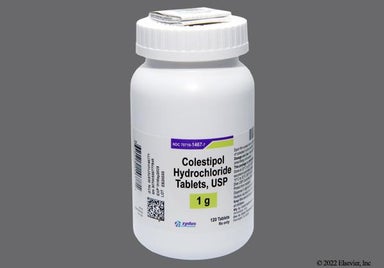
| 1g | 180 tablets | $53.36 | $0.30 |

Although certain medicines should not be used together at all, in other cases two different medicines may be used together even if an interaction might occur. In these cases, your doctor may want to change the dose, or other precautions may be necessary. When you are taking this medicine, it is especially important that your healthcare professional know if you are taking any of the medicines listed below. The following interactions have been selected on the basis of their potential significance and are not necessarily all-inclusive.
Using this medicine with any of the following medicines is usually not recommended, but may be required in some cases. If both medicines are prescribed together, your doctor may change the dose or how often you use one or both of the medicines.
Using this medicine with any of the following medicines may cause an increased risk of certain side effects, but using both drugs may be the best treatment for you. If both medicines are prescribed together, your doctor may change the dose or how often you use one or both of the medicines.





Prescription savings
Stop paying too much for your prescriptions. Compare prices, get pharmacy coupons, and save up to 80%. Find expert answers to your health questions so you can make the best decisions for yourself and your family.
Health conditions
Medications & treatment
Access & affordability
Medication discounts

It can take about a month for Colestipol to lower your cholesterol. Your prescriber will order cholesterol blood tests regularly during treatment. This helps check how well the medication is working.
You can eat at any time after you take Colestipol. You can take this medication with or without food.
Colestipol isn't FDA approved to treat diarrhea. Studies have looked at bile acid sequestrants for chronic diarrhea, including diarrhea caused by too much bile acid in the intestines. But more research is needed to know if it's clearly beneficial. Only take Colestipol for diarrhea if your prescriber recommends this off-label use. Talk to your primary care provider if you have diarrhea that's hard to manage.
No, Colestipol isn't a statin. It's a bile acid sequestrant, which is a different type of cholesterol medication. Both can lower "bad" cholesterol (also known as low-density lipoprotein, or LDL). But they work in different ways. Colestipol can be used as an alternative to a statin or added to a statin to help lower cholesterol.
Colestipol isn't known to cause hair loss. Let your care team know if you experience hair loss during treatment. They can examine you and discuss with you about possible causes of your hair loss. This might be other medications or medical conditions.
No, changes in weight aren't expected with Colestipol. Tell your primary care provider if you notice unusual weight gain or weight loss. They can help find out what might be causing it.
Colestipol and cholestyramine are both bile acid sequestrants used to lower cholesterol. Cholestyramine can also treat itching caused by certain liver problems (called cholestatic pruritus). Colestipol comes as tablets that you swallow, as well as granules you mix with liquid. Cholestyramine comes as a powder that you mix with liquid. Your primary care provider can compare in detail with you and decide which one is right for you.
