Key takeaways:
Some studies suggest a link between taking semaglutide (Ozempic, Wegovy) and a serious eye condition called macular degeneration. But results are mixed, and they don’t prove a cause-and-effect relationship.
Research has also linked semaglutide to a rare kind of eye stroke called non-arteritic anterior ischemic optic neuropathy (NAION). But the findings are inconsistent, and the overall risk appears to be very low.
Starting semaglutide may cause temporary vision changes, especially in people with diabetic eye disease.
For most people, the benefits of taking semaglutide still outweigh the possible risks. Extra caution may be needed for people with existing eye disease or those who take semaglutide long term.
Semaglutide — the active ingredient in Ozempic and Wegovy — has transformed treatment for Type 2 diabetes and weight loss. More and more people are using these medications, which belong to a class known as glucagon-like peptide-1 (GLP-1) receptor agonists. With the surge in use, researchers and medical experts are paying closer attention to their potential side effects, including some that affect the eyes.
But a number of studies have raised questions about whether semaglutide may increase the risk of certain vision problems. These problems include serious conditions like diabetic retinopathy, age-related macular degeneration (AMD), and a rare type of eye stroke called non-arteritic anterior ischemic optic neuropathy (NAION).
So, can semaglutide actually harm your vision? Here’s what the latest evidence shows and what symptoms to watch for, along with how to protect your eye health if you’re taking a GLP-1 medication.
What are the symptoms of Ozempic blindness?
This is a difficult question to accurately answer, because Ozempic blindness isn’t a diagnosis in itself. Also, there isn’t a single reason why someone may experience changes to their vision while taking semaglutide.
Still, there are some warning signs to watch for, including:
Sudden vision loss in one eye, a key sign of NAION (more on this below)
Blurry or distorted vision
Dark spots or blind spots in your central vision
Wavy or warped lines
Flashes of light or floating shapes
Trouble seeing at night or in low light
Some symptoms, like mild blurry vision, can happen temporarily when blood sugar levels change. But sudden or severe vision changes aren’t normal and should be checked out right away.
How Ozempic may contribute to vision loss
Experts aren’t exactly sure how medications like semaglutide could lead to eye problems like AMD, worsening diabetic retinopathy, and eye strokes. But there are a few theories:
Reduced blood sugar: The most likely mechanism is that fast changes in blood sugar levels brought on by semaglutide affect oxygen supply to blood vessels in the eyes.
Direct impact on retina: Another idea is that there might be GLP-1 receptors in the retina (the part of the eye that helps you see clearly), just as there are in other parts of the body. So it’s possible that GLP-1 medications may have direct effects on the eye.
Below, we’ll look at what the current research tells us about the risks of semaglutide for your vision. But first, it’s important to note a few things:
The following studies show a link between semaglutide and vision problems. However, this isn’t proof that the medication causes these conditions.
The risk of any of these conditions that cause vision loss is low overall.
Still, the risk is likely higher for people with existing eye disease.
Semaglutide may affect diabetic eye disease temporarily
Many people taking semaglutide have Type 2 diabetes. Diabetic eye disease (diabetic retinopathy) happens when high blood glucose levels damage the blood vessels in the light-sensitive tissue at the back of the eye (the retina). It’s a major cause of vision loss in people with diabetes.

Read more like this
Explore these related articles, suggested for readers like you.




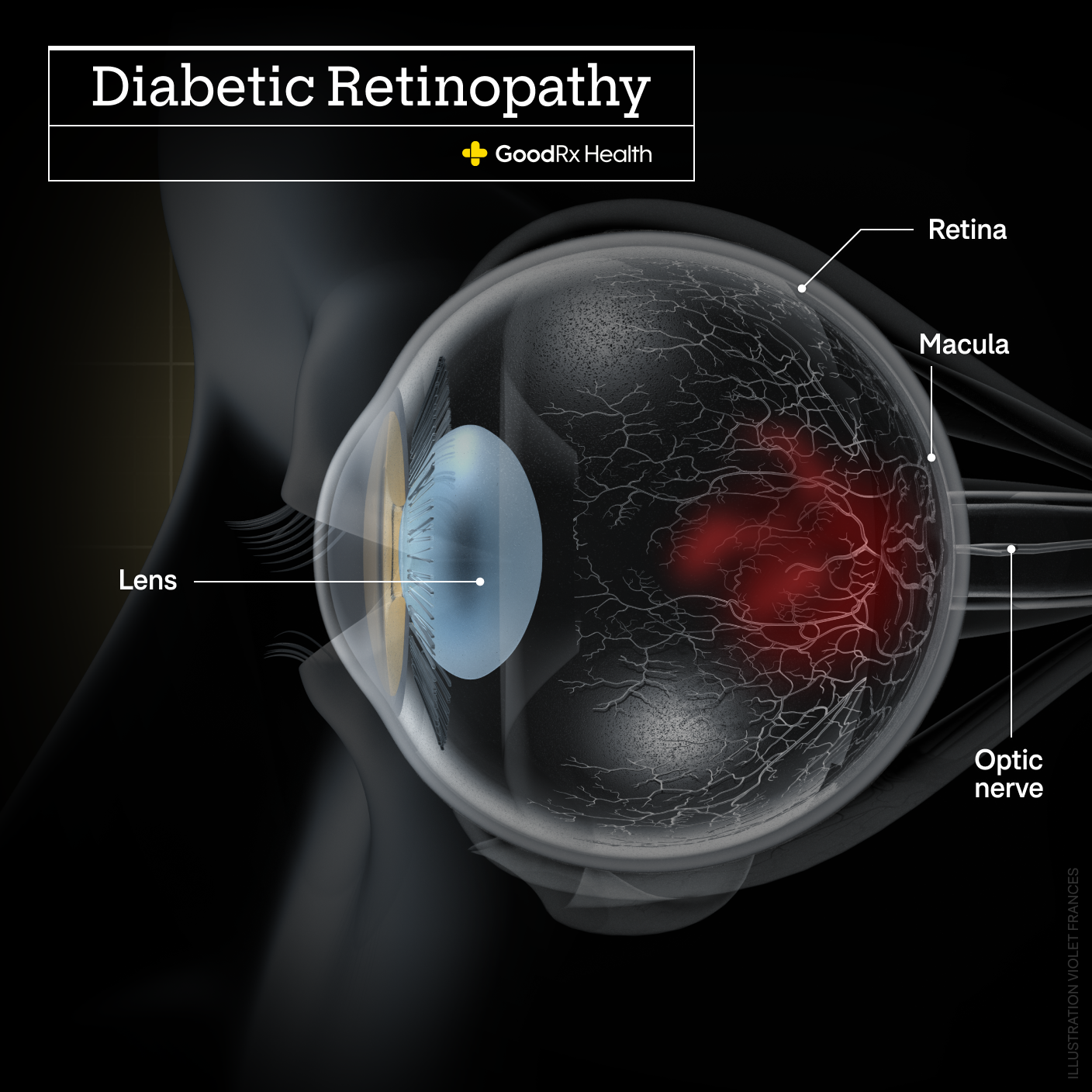
One important study (the SUSTAIN-6 trial) suggested semaglutide may worsen diabetic retinopathy temporarily in people who already have a severe form of it. This may seem surprising: How can a medication that improves blood glucose levels worsen diabetic retinopathy?
The link between semaglutide and worsening diabetic retinopathy is likely due to the rapid improvement in blood glucose levels that comes with starting the medication, rather than a direct harmful effect of the medication. Keeping blood glucose levels “in range” is important for long-term health in people with diabetes. But in the short term, these rapid improvements can sometimes make diabetic retinopathy worse before it gets better. This phenomenon has been observed with other diabetes treatments too.
But not all studies agree. Other research from the American Academy of Ophthalmology found that nearly 60% of people with advanced diabetic eye disease actually experienced improvement in their diabetic eye disease while taking the medication.
And a more recent large analysis of clinical trials didn’t find an increased risk of diabetic retinopathy with taking semaglutide overall.
To help answer this question more definitively, a large ongoing 5-year study called FOCUS is tracking about 1,500 people over several years to better understand the impact of medications like semaglutide on diabetic eye disease. The results are expected in 2027.
Semaglutide may increase the risk for macular degeneration
Some new research suggests that semaglutide might slightly raise the risk of a serious eye disease called neovascular age-related macular degeneration, or wet AMD for short. This is the less common but more serious type of AMD.
Wet AMD happens when tiny blood vessels grow under the macula (the central part of the retina). These blood vessels can leak or bleed, which can lead to blurry vision or even permanent vision loss. This condition mostly affects older adults and gets worse over time if not treated.
A big study in Canada looked at people over age 65 who were using GLP-1 medications like semaglutide. Researchers found that people taking these medications were about twice as likely to be diagnosed with wet AMD compared to people not using them. The risk was still low overall: about 2 in every 1,000 people. But it was higher than expected.
Semaglutide and blindness from NAION
Research in JAMA Ophthalmology in 2024 and 2025 found a link between people who took semaglutide and a rare kind of eye stroke called non-arteritic anterior ischemic optic neuropathy (NAION).
NAION is very serious: It can cause permanent blindness in one eye. This vision loss is painless. It comes on suddenly and typically gets worse over a few days before stabilizing. And there are no treatments that can improve or reverse it. Diagnosing it is difficult, and understanding why it happens is still a mystery. Experts think it happens as a result of reduced blood flow to the optic nerve.
Researchers had noticed a cluster of cases of NAION in summer 2023 in people taking semaglutide. And they wanted to understand if it was more than a coincidence.
The large-scale study published in 2025 looked at over 37 million people across 14 global health databases. Here are the takeaways from the study:
People taking semaglutide had a higher risk of developing NAION compared to before starting the drug. The risk was estimated to be 1.3 times higher than people not taking semaglutide.
But this increased risk was lower than previously thought.
And, importantly, the condition itself is rare. Out of 100,000 people, about 10 people are affected by it each year.
So, even with an increased risk, the risk is still low.
But other studies since haven’t consistently shown this link. The large analysis of multiple studies referenced above wasn’t able to yield enough data to draw firm conclusions about any link between NAION and semaglutide.
So, can Ozempic cause blindness?
It’s too early to say for sure. The research does signal a link between semaglutide and certain forms of eye disease including blindness. But this link is just that: a link. And most evidence suggests that if there’s a risk, it’s small.
It’s possible that the vision problems linked to semaglutide may not be caused by the medication itself. Instead, they could be a result of the rapid changes to metabolism that happen when a person starts taking semaglutide.
According to Nishika Reddy, MD, another possibility is that semaglutide is just the common thread linking these cases together. After all, you’re more likely to have vision problems if you have certain health conditions that are more common in people who take semaglutide, like:
Diabetes
Excess weight
Should you take semaglutide?
It can feel scary to add another risk to your health — especially if you’re already living with the health risks of diabetes and other cardiovascular and metabolic conditions.
The truth is: We don’t know everything about the short- and long-term impacts of medications like semaglutide. But there’s clear information about the long-term health risks of living with diabetes, cardiovascular disease, and excess weight. And, while there may be an increased risk of vision loss, the risk of these eye conditions remains low overall.
So, like many things in life (and healthcare), it’s a question of balancing risks and benefits. It’s entirely up to you and your situation in terms of deciding if the benefits are worth the risks — or not.
Finally, most of the evidence reviewed in this article is on semaglutide. However, it’s unclear if the link between semaglutide and vision changes is unique to semaglutide — or if it applies to all GLP-1 medications.
Who is at risk for Ozempic blindness?
Some people may be less able than others to take on the risk to their vision. These may include:
Older adults
People with pre-existing eye disease, like vision loss, macular degeneration, or glaucoma
When it comes to the risk of NAION, Reddy explained that certain conditions affect the structure of the eye and create crowding at the back of the eye, where the optic nerve connects. This location is called the optic disc. According to Reddy, conditions that put your “disc at risk” can increase your risk of NAION.
Overall, Reddy said that "while the risk of developing these conditions is low, it’s important for people to be aware of the possible eye side effects related to these types of medications.”
She advises thinking about how long you plan to take the medication. “When it comes to macular degeneration,” she said, “the risk was highest in people who’d taken these medications the longest, according to the study.”
How to lower your risk
In the meantime, if you’re taking or are considering taking semaglutide for diabetes, and you’re worried about your eye health, speak with a healthcare professional you trust. That could be your primary care provider, your diabetes or weight specialist, or your eye care specialist. Let them know what medications you’re taking. And tell them about your medical history (if they don’t already know it). Be honest about your fears.
There are precautions you can take to lower your risk of eye complications from semaglutide, such as:
If you have diabetes and are starting semaglutide, get a detailed eye exam first — especially if you’ve had eye problems before.
If you’re not sure how healthy your optic disc is, schedule a routine eye exam with your eye doctor. It’s a good idea to do this once a year anyway.
Get your eyes tested regularly while taking semaglutide
Let your eye doctor know if you notice any changes in your vision, like blurriness, dark spots, floaters, flashes, or trouble seeing at night.
Most people can take semaglutide safely, but watching your eyes closely is an important part of staying healthy.
Frequently asked questions
It’s possible that starting semaglutide can cause blurred vision. This is related to blood glucose levels dropping rapidly. When your blood glucose levels change, this can affect the shape of the eye’s lens. This can cause blurry vision, and it often happens as a symptom of dangerously low blood glucose levels (hypoglycemia).
Older adults may be more likely to experience blurred vision when starting semaglutide. That’s because the eye’s lens becomes less flexible with age. For some people, it may take longer for vision to stabilize after starting semaglutide. But this side effect should go away within a few months of starting semaglutide (or changing the dose).
Some side effects of semaglutide — like nausea, vomiting, and fatigue — are usually temporary and go away after the body adjusts or the medication is stopped. But rare and more serious side effects, like vision problems or pancreatitis, can lead to lasting complications. It’s important to monitor symptoms closely and talk to your healthcare team about any changes.
It depends on the cause of the vision problem. Temporary changes, like blurry vision from rapid blood sugar shifts, often improve as blood sugar levels stabilize. This is true whether you continue or stop semaglutide.
But sudden and permanent vision loss — from serious conditions like NAION or advanced macular degeneration — are unlikely to improve. That’s why getting checked out early for sudden and new symptoms is so important.
It’s possible that starting semaglutide can cause blurred vision. This is related to blood glucose levels dropping rapidly. When your blood glucose levels change, this can affect the shape of the eye’s lens. This can cause blurry vision, and it often happens as a symptom of dangerously low blood glucose levels (hypoglycemia).
Older adults may be more likely to experience blurred vision when starting semaglutide. That’s because the eye’s lens becomes less flexible with age. For some people, it may take longer for vision to stabilize after starting semaglutide. But this side effect should go away within a few months of starting semaglutide (or changing the dose).
Some side effects of semaglutide — like nausea, vomiting, and fatigue — are usually temporary and go away after the body adjusts or the medication is stopped. But rare and more serious side effects, like vision problems or pancreatitis, can lead to lasting complications. It’s important to monitor symptoms closely and talk to your healthcare team about any changes.
It depends on the cause of the vision problem. Temporary changes, like blurry vision from rapid blood sugar shifts, often improve as blood sugar levels stabilize. This is true whether you continue or stop semaglutide.
But sudden and permanent vision loss — from serious conditions like NAION or advanced macular degeneration — are unlikely to improve. That’s why getting checked out early for sudden and new symptoms is so important.
The bottom line
Semaglutide (Ozempic, Wegovy) helps many people lose weight and manage blood sugar. And it improves many related health conditions. But there may be a small increased risk of serious eye conditions like age-related macular degeneration (AMD) and a rare type of eye stroke that causes sudden vision loss.
But results are mixed, and a cause-and-effect relationship hasn’t been proven. While the risks appear to be low overall, they may be higher for some people, especially those with underlying eye disease or long-term use. Staying informed, watching for symptoms, and getting regular eye checks are key.

Why trust our experts?




References
American Academy of Ophthalmology. (2023). Popular weight loss drug does not appear to worsen diabetic eye disease in most patients, new study suggests.
Cai, C. X., et al. (2025). Semaglutide and nonarteritic anterior ischemic optic neuropathy. JAMA Ophthalmology.
ClinicalTrials.gov. (2024). A research study to look at how semaglutide compared to placebo affects diabetic eye disease in people with Type 2 diabetes (FOCUS). National Library of Medicine.
DCCT Research Group. (1987). Diabetes control and complications trial (DCCT): Results of feasibility study. Diabetes Care.
Hathaway, J. T., et al. (2024). Risk of nonarteritic anterior ischemic optic neuropathy in patients prescribed semaglutide. JAMA Ophthalmology.
Natividade, G. R., et al. (2025). Ocular adverse events with semaglutide: A systematic review and meta-analysis. JAMA Ophthalmology.
Sharma, A., et al. (2022). Semaglutide and the risk of diabetic retinopathy — current perspective. Eye.
Shor, R., et al. (2025). Glucagon-like peptide-1 receptor agonists and risk of neovascular age-related macular degeneration. JAMA Ophthalmology.
Wu, K. Y., et al. (2022). NAION: Diagnosis and management. American Academy of Ophthalmology.