


What Is Diabetic Macular Edema (DME)?
Diabetic macular edema (DME) is a serious eye condition that can impair vision and even cause blindness. See the symptoms of DME and learn about treatment here.
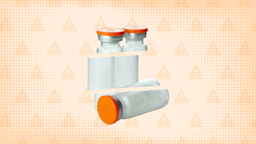
Lucentis (ranibizumab) is a medication used to prevent vision loss and blindness due to certain eye conditions such as macular degeneration or diabetic macular edema. It's given by a healthcare provider as an injection into your eye about once a month. There are two FDA-approved biosimilar medications to Lucentis (ranibizumab) called Byooviz and Cimerli.

Conditions related to swelling or damage to the macula or retina (parts of the eye that are important for vision):
Lucentis and all its biosimilars
Lucentis and Cimerli biosimilar only
Lucentis (ranibizumab) is a vascular endothelial growth factor (VEGF) inhibitor. It blocks VEGF-A, which is a protein that plays a role in the formation of new blood vessels and inflammation. When new blood vessels form and inflammation occurs in parts of the eye (e.g., retina, macula), it can lead to certain eye conditions that negatively impact your vision. Lucentis (ranibizumab) prevents VEGF-A from having these effects in the eye, which helps lessen your chance of experiencing vision loss or blindness.
| Common Brands | Lucentis, Byooviz, Cimerli |
|---|---|
| Drug Class | Vascular endothelial growth factor (VEGF) inhibitor |
| Controlled Substance Classification | Not a controlled medication |
| Generic Status | No lower-cost generic available |
| Availability | Prescription only |

The following side effects may get better over time as your body gets used to the medication. Let your healthcare provider know immediately if you continue to experience these symptoms or if they worsen over time.
Contact your healthcare provider immediately if you experience any of the following.
Along with its needed effects, a medicine may cause some unwanted effects. Although not all of these side effects may occur, if they do occur they may need medical attention.
Check with your doctor or nurse immediately if any of the following side effects occur:
More common
Blindness
bloody eye
blurred vision or loss of vision
decreased vision or other changes in vision
disturbed color perception
dizziness
double vision
fainting
feeling of having something in the eye
halos around lights
headache
night blindness
overbright appearance of lights
pain or tenderness around the eyes and cheekbones
red, sore eyes
redness of the white part of the eyes or inside of the eyelids
redness, swelling, or itching of the eyelid
seeing flashes or sparks of light
seeing floating spots before the eyes, or a veil or curtain appearing across a part of vision
sensitivity of the eye to light
tearing of the eyes
tunnel vision
watering of the eyes
Less common
Body aches or pain
chills
difficulty with breathing
fainting
fast, slow, or irregular heartbeat
general feeling of discomfort or illness
head congestion
hoarseness, loss of voice, or other voice changes
loss of consciousness
muscle aches and pains
pain in the chest, groin, or legs, especially the calves
painful blisters on the trunk of the body
pale skin
severe, sudden headache
shivering
slow wound healing
slurred speech
sudden loss of coordination
sudden, severe weakness or numbness in the arm or leg
sudden, unexplained shortness of breath
sweating
tightness in the chest
trouble sleeping
unexplained weight loss
unusual tiredness or weakness
Some side effects may occur that usually do not need medical attention. These side effects may go away during treatment as your body adjusts to the medicine. Also, your health care professional may be able to tell you about ways to prevent or reduce some of these side effects. Check with your health care professional if any of the following side effects continue or are bothersome or if you have any questions about them:
More common
Back pain
difficulty having a bowel movement (stool)
difficulty with moving
muscle stiffness
swelling or redness in the joints
Other side effects not listed may also occur in some patients. If you notice any other effects, check with your healthcare professional.
Call your doctor for medical advice about side effects. You may report side effects to the FDA at 1-800-FDA-1088.




Lucentis (ranibizumab) can cause some serious health issues. This risk may be even higher for certain groups. If this worries you, talk to your doctor or pharmacist about other options.
Eye injections like Lucentis (ranibizumab) can lead to infection of the fluid inside the eyeball (a condition called endophthalmitis) or damage to the retina (retinal detachment). These complications can cause vision loss or blindness. Possible eye infection and damage are some reasons why Lucentis (ranibizumab) must be given by a healthcare provider who has the right supplies and skills to prevent contamination and infection. Follow up with your provider as scheduled after your injection to monitor for side effects. If you experience severe eye pain, redness, or worse vision after your injection, contact your provider immediately.
Various eye conditions and medications like Lucentis (ranibizumab) can cause high eye pressure. Your provider will check your eye pressure on a regular basis to make sure it doesn't go too high.
Eye injections with VEGF inhibitors like Lucentis (ranibizumab) are linked to serious blood clotting problems, such as stroke, heart attack, and other life-threatening conditions. Symptoms of a stroke include sudden confusion, sudden headache, weakness on one side of the body, facial drooping, or trouble talking or walking. Symptoms of a heart attack include chest pain that spreads to your arm, a cold sweat, or shortness of breath. If you think you're having a stroke or a heart attack, call 911 right away.
Based on studies, there is a possibility that eye injections with Lucentis (ranibizumab) can raise the risk of death in people who have eye problems due to uncontrolled diabetes (DME or retinopathy). If you have diabetes-related eye problems, talk to your provider about the risks and benefits of this medication.

Lucentis (ranibizumab) is only given in a clinic or hospital setting, since it has to be injected into the eye by a healthcare provider. Depending on your eye condition, the typical dose is 0.3 mg or 0.5 mg once a month (every 28 days).

Although certain medicines should not be used together at all, in other cases two different medicines may be used together even if an interaction might occur. In these cases, your doctor may want to change the dose, or other precautions may be necessary. When you are receiving this medicine, it is especially important that your healthcare professional know if you are taking any of the medicines listed below. The following interactions have been selected on the basis of their potential significance and are not necessarily all-inclusive.
Using this medicine with any of the following medicines is usually not recommended, but may be required in some cases. If both medicines are prescribed together, your doctor may change the dose or how often you use one or both of the medicines.

Contraindications are specific health conditions or situations in which a person should not take a medication due to safety concerns. If you have any of the following conditions or if any of the following apply to you, let your healthcare provider know because Lucentis (ranibizumab) will not be safe for you to take.

Conditions related to swelling or damage to the macula or retina (parts of the eye that are important for vision):
Lucentis and all its biosimilars
Lucentis and Cimerli biosimilar only









Prescription savings
Stop paying too much for your prescriptions. Compare prices, get pharmacy coupons, and save up to 80%. Find expert answers to your health questions so you can make the best decisions for yourself and your family.
Health conditions
Medications & treatment
Access & affordability
Medication discounts

Lucentis is used to treat swelling or damage to the macula or retina (parts of the eye that are important for vision) due to abnormal blood vessel growth, blockage, or diabetes. These specific eye conditions usually get worse with time and can lead to blindness. Lucentis helps prevent you from losing your eyesight.
Yes, some people may experience better vision after receiving Lucentis. For example, in the clinical studies for AMD, 31% to 37% of people who got Lucentis injections every month had better vision 12 months into treatment. Remember, it can take a few months before you see an effect, and not everyone who uses this medication will have better vision (but it can help prevent your vision from getting worse).
The number of Lucentis injections that you get will depend on your specific eye condition. For most of the approved conditions, this medication can be given for 1 to 3 years. For the treatment of mCNV, it's less likely that you'll be getting it long term, since the clinical studies only lasted 3 months.
Lucentis can raise your risk of stroke. Eye injections with VEGF inhibitors like Lucentis are linked to serious blood clotting problems that can lead to stroke (when there's a blood clot in a vessel that delivers blood to the brain). Though this isn't a common side effect of Lucentis, it can be very serious or life-threatening. If you think you're having a stroke, call 911 immediately.
The Byooviz (ranibizumab-nuna) and Cimerli (ranibizumab-eqrn) biosimilars are very similar versions of Lucentis with few differences in how they work, how well they work, and their side effects. The idea of biosimilars is similar to a generic medication. Unlike traditional medications, Lucentis is a biologic, which is a type of medication that comes from living sources like humans, animals, or other living organisms. Because of how they're made, it's not easy to make an exact copy of a biologic. So instead of generics, biologics have biosimilars. However, keep in mind that Cimerli is currently the only interchangeable biosimilar to Lucentis. This means that Cimerli can be substituted for Lucentis and can be used to treat all of the same conditions as Lucentis. On the other hand, Byooviz isn't interchangeable with Lucentis, and it's only approved for a few of the same conditions as Lucentis. If you're interested in using a biosimilar to Lucentis, ask your provider which one is right for you.
