cefaclor
Cefaclor is a second-generation cephalosporin antibiotic. It's used to treat many different types of infections throughout the body in both children and adults. This medication is available as tablets and as a liquid suspension that's taken by mouth, typically 2 to 3 times daily. Because cefaclor isn't a penicillin antibiotic, you might be able to take it if you have a penicillin allergy. Some side effects of cefaclor include headache, nausea, and diarrhea.


What is Cefaclor?
What is Cefaclor used for?
- Ear infections (capsule and suspension only)
- Lower respiratory tract infections
- Urinary tract infections (UTIs) (capsule and suspension only)
- Strep throat
- Tonsil infections
- Skin infections (e.g., cellulitis)
How Cefaclor works
Cefaclor is a cephalosporin antibiotic. It kills bacteria by preventing them from making an additional covering around themselves for protection.
Drug facts
| Common Brands | Ceclor |
|---|---|
| Drug Class | Cephalosporin antibiotic |
| Controlled Substance Classification | Not a controlled medication |
| Generic Status | Lower-cost generic available |
| Availability | Prescription only |

Side effects of Cefaclor
The following side effects may get better over time as your body gets used to the medication. Let your healthcare provider know immediately if you continue to experience these symptoms or if they worsen over time.
Common Side Effects
- Headache (5%)
- Runny nose (4%)
- Diarrhea (4%)
- Nausea (3%)
Please note: These side effects were reported by people taking the cefaclor extended-release tablet.
Less Common Side Effects
- Vaginal inflammation
- Vaginal yeast infection
- Stomach pain
- Cough
Cefaclor serious side effects
Contact your healthcare provider immediately if you experience any of the following.
- Serious allergic reactions: hives, rash, blisters, swelling of the lips or tongue, difficulty breathing
- Infectious (C. difficile-related) diarrhea: foul-smelling diarrhea, fever, nausea, frequent bowel movements (up to 15 times per day)
The following Cefaclor side effects have also been reported
Side effects that you should report to your care team as soon as possible:
- Allergic reactions—skin rash, itching, hives, swelling of the face, lips, tongue, or throat
- Severe diarrhea, fever
- Unusual vaginal discharge, itching, or odor
Side effects that usually do not require medical attention (report these to your care team if they continue or are bothersome):

Get your GoodRx coupon

Pros and cons of Cefaclor
Pros
- Treats many types of bacterial infections and has generally few side effects
- Available as a capsule, extended-release tablet, and liquid suspension
- Available as a lower-cost generic
Cons
- Might not be able to take this medication if you've had a severe allergy to penicillins or other cephalosporin antibiotics
- Needs to be taken 2 to 3 times a day
- Liquid suspension must be stored in the refrigerator after mixing

Pharmacist tips for Cefaclor

- Take cefaclor exactly as prescribed. Make sure to finish your treatment course, even if you start feeling better. Stopping the medication earlier than prescribed can make your infection come back and become harder to treat.
- Cefaclor can cause diarrhea, but it should go away when you stop taking it. If you start to have watery or bloody diarrhea, fever, fatigue, or stomach cramps anytime during treatment or after stopping cefaclor, contact your provider. These might be signs of a type of infectious diarrhea, which needs to be treated right away.
- Call your provider or get medical help as soon as possible if you get a rash, itchy skin, trouble breathing, or swelling in your face or mouth. These could be signs of a severe allergic reaction.
- Tell your provider if you're taking probenecid (a gout medication) because it can affect how well your body gets rid of cefaclor. Also let your provider know if you're taking warfarin (Coumadin) because you might need to get your international normalized ratio (INR) checked sooner.
For the cefaclor capsules:
- Take cefaclor capsule with or without food. But if it's upsetting your stomach, taking it with food might help.
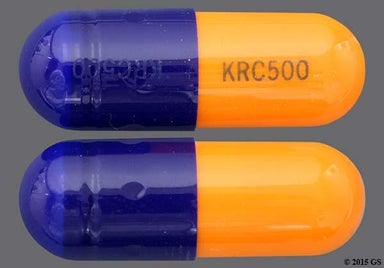
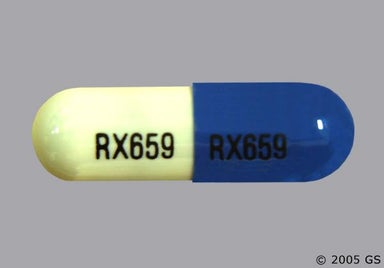
- Don't crush or chew cefaclor capsules. If you're unable to swallow the capsule whole, ask your provider about switching you to the oral suspension.
For the cefaclor extended-release tablet:
- Take cefaclor extended-release tablet with food to help with absorption into your body. This way it can work as best as possible to treat your infection.
- Don't chew, cut, or crush cefaclor extended-release tablet because this can damage the medication and cause it to not work as well for you.
- Separate the cefaclor extended-release tablet from antacids containing magnesium or aluminum like Mylanta Maximum Strength (aluminum hydroxide / magnesium hydroxide / simethicone) by at least 1 hour.
For the cefaclor oral suspension (liquid):
- Cefaclor suspension comes in 3 different strengths: 125 mg/5 mL, 250 mg/5 mL, and 375 mg/5 mL. Make sure you know which strength you have to avoid accidentally taking the wrong dose. Ask your pharmacist for help if you're not sure.
- Take cefaclor oral suspension with or without food. But if it's upsetting your stomach, taking it with food might help.
- Shake the cefaclor bottle well before using. Make sure to only use a medication dose cup or oral syringe from the pharmacy to measure out your dose. Don't use household spoons because they aren't accurate and might cause you to take the wrong dose.
- Store the cefaclor liquid suspension in the refrigerator for up to 2 weeks. After 2 weeks, throw away the bottle, even if there's still some medication left.

Risks and warnings for Cefaclor
Cefaclor can cause some serious health issues. This risk may be even higher for certain groups. If this worries you, talk to your doctor or pharmacist about other options.
Severe allergic reactions
- Risk factors: Allergy to penicillin or other cephalosporin antibiotics
Severe allergic reactions to cefaclor are possible, including life-threatening reactions like facial swelling, shock, and anaphylaxis (closing of the throat). Let your provider know if you have an allergy to antibiotics. If you notice hives, rash, red skin, swelling of the lips or tongue, or difficulty breathing after using cefaclor, get medical attention right away.
Infectious diarrhea
Antibiotics, including cefaclor, raise your risk of getting infected with a bacteria called Clostridioides difficile (C. diff). This infection can cause diarrhea that can sometimes be life-threatening. Antibiotics change the amount of normal bacteria in your stomach and intestines. This can cause C. diff to overgrow in your gut and lead to an infection. It's important to recognize the difference between diarrhea as a side effect of cefaclor and this type of infectious diarrhea. C. diff-related diarrhea can cause rapid heart rate, foul-smelling diarrhea, fever, nausea, frequent bowel movements (even up to 15 times per day) and is an emergency. If you experience any of these symptoms, get medical attention right away so you can be tested for C. diff infection and receive treatment.
Difficult-to-treat infections
Take cefaclor exactly as prescribed. Using cefaclor for any shorter or longer periods of time or taking the antibiotic for other illnesses can raise your risk for developing infections caused by drug-resistant bacteria. This raises your risk for severe and life-threatening infections that might be difficult to treat.

Cefaclor dosage


How much does Cefaclor cost?
$28.29

Cefaclor contraindications
Contraindications are specific health conditions or situations in which a person should not take a medication due to safety concerns. If you have any of the following conditions or if any of the following apply to you, let your healthcare provider know because Cefaclor will not be safe for you to take.
- Severe allergy to cephalosporin antibiotics

What are alternatives to Cefaclor?

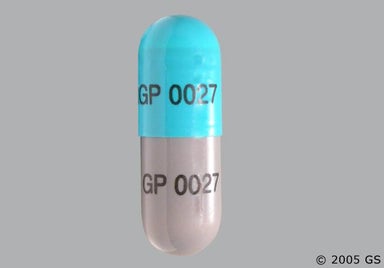
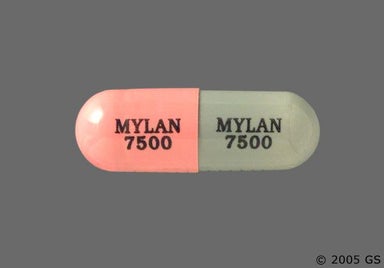
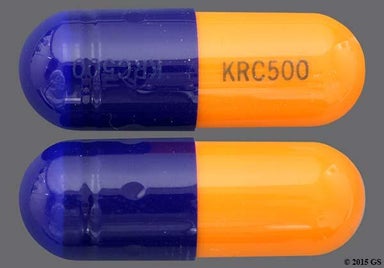
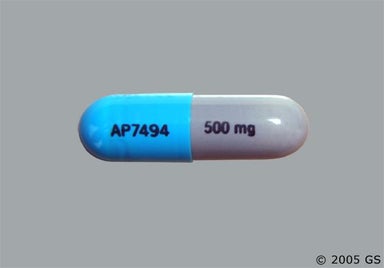
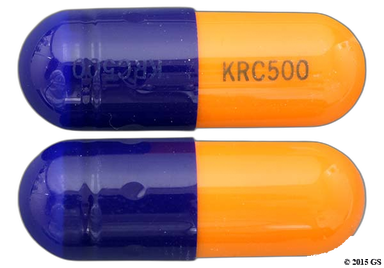
Cefaclor images