carteolol
Carteolol helps lower pressure within the eye and treats glaucoma. It can be used by itself or together with other eye drops.


What is Carteolol?
What is Carteolol used for?
- High pressure in the eye caused by ocular hypertension (high blood pressure inside the eye) or chronic open-angle glaucoma (the most common type of glaucoma)
How Carteolol works
Carteolol is a beta blocker that lowers the amount of fluid in the eye. When there is less fluid inside the eye, the eye pressure goes down.
Drug facts
| Common Brands | Ocupress |
|---|---|
| Drug Class | Beta blocker |
| Controlled Substance Classification | Not a controlled medication |
| Generic Status | Lower-cost generic available |
| Availability | Prescription only |

Side effects of Carteolol
The following side effects may get better over time as your body gets used to the medication. Let your healthcare provider know immediately if you continue to experience these symptoms or if they worsen over time.
Common Side Effects
- Temporary eye irritation (25%)
- Temorary eye burning (25%)
- Temporary eye tearing (25%)
- Temporary red eyes (25%)
- Temporary swelling of the eyes (25%)
Less Common Side Effects
- Blurry or clouded vision
- Light sensitivity
- Difficulty seeing at night
- Drooping eyelids
Carteolol serious side effects
Contact your healthcare provider immediately if you experience any of the following.
- Trouble breathing
- Heart failure
- Allergic reactions
The following Carteolol side effects have also been reported
Along with its needed effects, a medicine may cause some unwanted effects. Although not all of these side effects may occur, if they do occur they may need medical attention.
Check with your doctor immediately if any of the following side effects occur:
Less common
Blurred vision
chest pain or discomfort
confusion
dizziness, faintness, or lightheadedness when getting up from a lying or sitting position suddenly
shortness of breath
slow or irregular heartbeat
sweating
unusual tiredness or weakness
Incidence not determined
Blue lips, fingernails, or skin
blurred, cloudy, or yellow vision
change in color vision
confusion
decreased urine output
decreased vision after sunset and before sunrise
difficult or labored breathing
difficulty seeing at night
dilated neck veins
discoloration of white part of eye
disturbed color perception
drainage from the eye
drooping upper eyelids
double vision
extreme fatigue
eye redness, irritation, pain, burning, or tearing
fast heartbeat
halos around lights
hoarseness
inability to speak
increase in blood flow to the whites of the eyes
increased sensitivity of eyes to sunlight
irregular, fast or slow, or shallow breathing
irritation
joint pain, stiffness, or swelling
loss of vision
night blindness
noisy breathing
overbright appearance of lights
pain or tenderness around eyes and cheekbones
pounding or rapid pulse
rash
redness of skin
redness, swelling, and/or itching of eye and eyelid
seeing double
seizures
severe numbness, especially on one side of the face or body
severe or sudden headache
slurred speech
stuffy or runny nose
swelling of eyelids, face, fingers, lips, hands, feet, or lower legs
temporary blindness
tightness in chest
tiredness
troubled breathing
tunnel vision
unusual feeling in the eyes
weakness in arm and/or leg on one side of the body, sudden and severe
Some side effects may occur that usually do not need medical attention. These side effects may go away during treatment as your body adjusts to the medicine. Also, your health care professional may be able to tell you about ways to prevent or reduce some of these side effects. Check with your health care professional if any of the following side effects continue or are bothersome or if you have any questions about them:
Incidence not determined
Change in taste or bad, unusual, or unpleasant (after) taste
discouragement
feeling sad or empty
headache
irritability
lack of appetite
lack or loss of strength
loss of interest or pleasure
trouble concentrating
trouble sleeping
unable to sleep
Other side effects not listed may also occur in some patients. If you notice any other effects, check with your healthcare professional.
Call your doctor for medical advice about side effects. You may report side effects to the FDA at 1-800-FDA-1088.

Get your GoodRx coupon

Pros and cons of Carteolol
Pros
- Good at treating high eye pressure
- Can be combined with other eye drops if not working well enough on its own
- Is cheaper than similar eye medications, even without insurance
Cons
- Has more side effects than some of the other eye drops similar to it
- Can cause temporary blurred vision when you first start using it - this could affect driving
- Shouldn't be used if you have asthma, COPD, or other lung problems
- You shouldn't take carteolol if you have chronic heart failure, second or third degree heart block, or sinus bradycardia (a chronically low heart rate).

Pharmacist tips for Carteolol

- Wash hands before putting carteolol drops in eyes. Don't touch the dropper tip with your eye or hands. If you wear contacts remove them and wait 15 minutes after using your drops to put them back in your eyes.
- After placing a drop in the eye, close your eye and press one finger to the inner corner of your eye by the nose and press lightly for 1 minute. This helps make sure your eye absorbs the drop.
- If you are using more than one drop of carteolol or more than one medication at the same time, wait 5 minutes between each drop.
- Avoid driving and doing tasks that require you to be alert or have clear vision until you see how carteolol affects you.

Risks and warnings for Carteolol
Carteolol can cause some serious health issues. This risk may be even higher for certain groups. If this worries you, talk to your doctor or pharmacist about other options.
HIDDEN SYMPTOMS OF LOW BLOOD SUGAR
- Risk factors: Diabetes Beta blockers can cause people with diabetes to not notice symptoms of low blood sugar, except for sweating and dizziness. Very small amounts of carteolol are absorbed into your bloodstream, so this is very rare with beta blocker eye drops. Talk to your provider to see if you should monitor your blood sugar more closely if you are started on carteolol.
HIDDEN SYMPTOMS OF OVERACTIVE THYROID
Beta blockers can cause people with an overactive thyroid to not recognize the signs of hyperthyroidism, such as a fast heart rate. Very small amounts of carteolol are absorbed into your bloodstream, so this is very rare with beta blocker eye drops. Make sure your provider knows if you have thyoid problems before starting carteolol.
MUSCLE WEAKNESS
Beta blockers can cause people to experience muscle weakness. This may cause you to have droopy eyelids. Talk to your provider if you start to have any type of muscle weakness after starting carteolol.
TROUBLE BREATHING (BRONCHOSPASTIC DISEASE)
- Risk factors: History of asthma | History of COPD | History of lung problems Beta blocker medications like carteolol are usually not recommended for people with bronchospastic disease, like asthma and COPD, because it can cause difficulty breathing. Carteolol has a lower chance of causing breathing problems because very little is absorbed into your bloodstream, but make sure your provider knows if you have or have ever had any lung problems or conditions before starting it.
HIGHER RISK OR WORSENING OF HEART FAILURE
- Risk factors: Congestive heart failure | Second or third degree heart block In rare cases, some people developed heart failure while using carteolol. Talk to your provider if you notice swelling in your feet or ankles, if your pulse feels fast or irregular, or if you have shortness of breath when you lie down or exercise.

Carteolol dosage


Interactions between Carteolol and other drugs
Although certain medicines should not be used together at all, in other cases two different medicines may be used together even if an interaction might occur. In these cases, your doctor may want to change the dose, or other precautions may be necessary. When you are taking this medicine, it is especially important that your healthcare professional know if you are taking any of the medicines listed below. The following interactions have been selected on the basis of their potential significance and are not necessarily all-inclusive.
Using this medicine with any of the following medicines is usually not recommended, but may be required in some cases. If both medicines are prescribed together, your doctor may change the dose or how often you use one or both of the medicines.
- Albuterol
- Ceritinib
- Clonidine
- Crizotinib
- Diltiazem
- Dronedarone
- Epinephrine
- Fenoldopam
- Fingolimod
- Formoterol
- Indacaterol
- Iobenguane I 131
- Iohexol
- Lacosamide
- Levalbuterol
- Olodaterol
- Oxymetazoline
- Ponesimod
- Rivastigmine
- Salmeterol
- Terbutaline
- Verapamil
- Vilanterol
Using this medicine with any of the following medicines may cause an increased risk of certain side effects, but using both drugs may be the best treatment for you. If both medicines are prescribed together, your doctor may change the dose or how often you use one or both of the medicines.
- Acarbose
- Aceclofenac
- Acemetacin
- Acetyldigoxin
- Albiglutide
- Alfuzosin
- Alogliptin
- Amtolmetin Guacil
- Arbutamine
- Aspirin
- Bromfenac
- Bufexamac
- Bunazosin
- Canagliflozin
- Celecoxib
- Chlorpropamide
- Choline Salicylate
- Clonixin
- Dapagliflozin
- Deslanoside
- Dexibuprofen
- Dexketoprofen
- Diclofenac
- Diflunisal
- Digitoxin
- Digoxin
- Dipyrone
- Doxazosin
- Droxicam
- Dulaglutide
- Empagliflozin
- Ertugliflozin
- Etodolac
- Etofenamate
- Etoricoxib
- Exenatide
- Felbinac
- Fenoprofen
- Fepradinol
- Feprazone
- Floctafenine
- Flufenamic Acid
- Flurbiprofen
- Glimepiride
- Glipizide
- Glyburide
- Ibuprofen
- Indomethacin
- Insulin Aspart, Recombinant
- Insulin Degludec
- Insulin Detemir
- Insulin Glargine, Recombinant
- Insulin Glulisine
- Insulin Human Inhaled
- Insulin Human Isophane (NPH)
- Insulin Human Regular
- Insulin Lispro, Recombinant
- Ketoprofen
- Ketorolac
- Linagliptin
- Liraglutide
- Lixisenatide
- Lornoxicam
- Loxoprofen
- Lumiracoxib
- Meclofenamate
- Mefenamic Acid
- Meloxicam
- Metformin
- Metildigoxin
- Mibefradil
- Miglitol
- Morniflumate
- Moxisylyte
- Nabumetone
- Naproxen
- Nateglinide
- Nepafenac
- Niflumic Acid
- Nimesulide
- Nimesulide Beta Cyclodextrin
- Oxaprozin
- Oxyphenbutazone
- Parecoxib
- Phenoxybenzamine
- Phentolamine
- Phenylbutazone
- Piketoprofen
- Pioglitazone
- Piroxicam
- Pramlintide
- Pranoprofen
- Prazosin
- Proglumetacin
- Propyphenazone
- Proquazone
- Repaglinide
- Rifapentine
- Rofecoxib
- Rosiglitazone
- Salicylic Acid
- Salsalate
- Saxagliptin
- Sitagliptin
- Sodium Salicylate
- St John's Wort
- Sulindac
- Tamsulosin
- Tenoxicam
- Terazosin
- Tiaprofenic Acid
- Tolazamide
- Tolbutamide
- Tolfenamic Acid
- Tolmetin
- Trimazosin
- Urapidil
- Valdecoxib
- Vildagliptin

How much does Carteolol cost?
$13.84

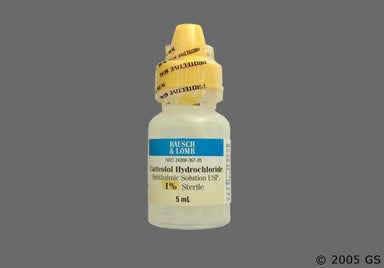
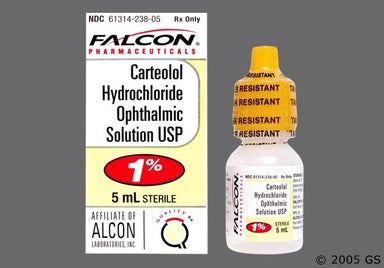
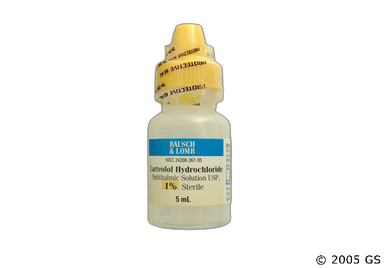
Carteolol images