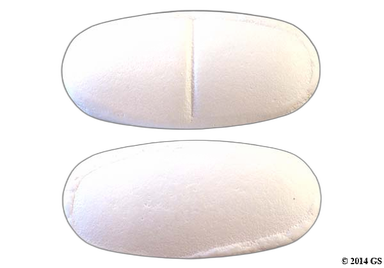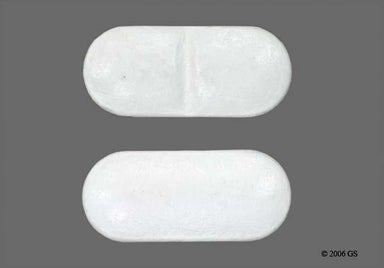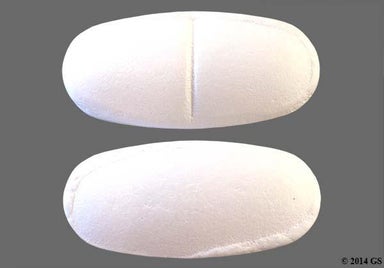


Calcium Carbonate Coupon - Calcium Carbonate 600mg tablet

calcium carbonate

Generic Tums
Used for Calcium Deficiency, Heartburn

Calcium carbonate is an antacid. It's mainly used to relieve symptoms of acid reflux, such as heartburn and indigestion, for adults and children. Sometimes, providers might prescribe it as a supplement to prevent calcium deficiency. Calcium carbonate is available over the counter in several different formulations, including chewable tablets and oral solutions. Side effects from calcium carbonate are rare, but some people have reported constipation.

Reviewed by:Last reviewed on November 8, 2023
basics-icon

What is Calcium carbonate?

What is Calcium carbonate used for?

How Calcium carbonate works

Calcium carbonate is an antacid that neutralizes, or balances, the acid in your stomach to help relieve heartburn, indigestion, and upset stomach.

Drug facts

Common BrandsTums, Pepto Kids
Drug ClassAntacid
Controlled Substance ClassificationNot a controlled medication
Generic StatusLower-cost generic available
AvailabilityOver-the-counter
side-effects-icon

Side effects of Calcium carbonate

The following side effects may get better over time as your body gets used to the medication. Let your healthcare provider know immediately if you continue to experience these symptoms or if they worsen over time.

Common Side Effects

Less Common Side Effects

  • Nausea
  • Vomiting
  • Passing gas
  • Dry mouth
  • Low appetite

Calcium carbonate serious side effects

Contact your healthcare provider immediately if you experience any of the following.

  • High blood calcium levels: fatigue, muscle weakness, loss of appetite, nausea, vomiting, constipation, bone pain, depression, confusion

Source: DailyMed

The following Calcium carbonate side effects have also been reported

Side effects that you should report to your care team as soon as possible:

Side effects that usually do not require medical attention (report these to your care team if they continue or are bothersome):

prices-container

Get your GoodRx coupon

Avg retail price
$6.65(Save 58.20%)
GoodRx discount
$2.78
See prices
pros-and-cons-icon

Pros and cons of Calcium carbonate

Pros

  • Works within minutes to treat heartburn symptoms
  • Chewable tablets come in many different flavors for better taste
  • Available as a lower-cost generic
  • Available over the counter

Cons

  • Shouldn't be used for longer than 2 weeks without speaking to a healthcare provider
  • Not the best option if you have high levels of calcium in your body
  • Can raise the risk of kidney stones in some people
  • Might need to take multiple tablets several times throughout the day
pharmacist-tips-icon

Pharmacist tips for Calcium carbonate

pharmacist
  • Make sure to double check the medication label on your calcium carbonate product because there are several different calcium carbonate generic and branded Tums products. They contain different strengths and different directions.
  • Calcium carbonate can interact with several other medications. Share a list of all prescription and over-the-counter medications with your provider or pharmacist and ask if you can also take calcium carbonate. Most often, calcium carbonate needs to be separated from certain other medications by several hours.
  • If you're taking other vitamins or supplements, be sure to check the ingredients list of those products. Taking more than one product containing calcium can raise your risk for taking too much calcium, which can lead to more side effects, such as nausea and vomiting.
  • Calcium carbonate can raise the calcium levels in your body. If you have a condition that causes you to have high calcium levels, like cancer, kidney problems, or thyroid problems, ask your provider first if calcium carbonate is right for you.
  • Some calcium carbonate products contain sugar for better taste. If you have diabetes or you're trying to limit sugar from your diet, ask your pharmacist or provider about sugar-free antacid options.
  • Make sure to drink plenty of fluids while taking calcium carbonate. This can help relieve constipation and lower your risk of kidney stones from calcium carbonate.
  • If you're taking calcium carbonate for heartburn or stomach symptoms and your symptoms last for more than 2 weeks, stop taking it and contact your healthcare provider. You'll need to be examined to see if you have a more serious medical problem.
  • If you're taking the oral suspension, shake well before each dose. Then, use a medication dose cup or an oral syringe to measure your dose. Don't use household spoons because they might not be accurate and might cause you to take the wrong dose. Ask your pharmacy to provide you with one if the product doesn't include it in its packaging or if you need extras.
  • Store calcium carbonate tablets and oral suspension at room temperature in a place out of reach from children at all times.
faq-icon

Common questions about Calcium carbonate

Calcium carbonate starts to work within minutes after a dose. The effects of the medication last for about 1 hour. You're recommended to take calcium carbonate when you start to feel heartburn or indigestion symptoms, or within an hour of a meal.

How many calcium carbonate tablets you can take daily depends on things like which strength you're taking, your age, and if you're pregnant. In general, maximum daily dose for calcium carbonate is about 7,500 mg per day for most adults. To be safe, make sure to read the recommended number of tablets per dose and the maximum dose on the manufacturer's label on your calcium carbonate product. Ask your provider or pharmacist if you're not sure what dose you should be taking.

Yes, you can take calcium carbonate during pregnancy to treat heartburn. But, know that the maximum daily dose of calcium carbonate is generally lower for pregnant females compared to other adults. If you're pregnant, ask your pharmacist or healthcare provider how much calcium carbonate you can take per day.

No, calcium carbonate doesn't typically treat diarrhea. If you're having diarrhea, talk to your provider and they can help you figure out what might be causing your symptoms. If the diarrhea is caused by foods, your provider will recommend for you to avoid trigger foods and instead, stick to the BRAT diet. If appropriate, they might recommend over-the-counter diarrhea medications, like bismuth subsalicylate (Pepto-Bismol) or loperamide (Imodium A-D) to ease your symptoms. Be sure to drink enough water and fluids to stay hydrated.

Yes, there are specific calcium carbonate products for children ages 2 years and older. If your child's provider recommends that your child take calcium carbonate, make sure to look for a product for children. Your child's dose of calcium carbonate can depend on their age and body weight. In general, children ages 12 years and older (and weight more than 95 pounds) can take the adult dose. Read the label on your calcium carbonate product for specific directions.

There aren't any known interactions between calcium carbonate and bismuth subsalicylate (Pepto-Bismol). If you have heartburn or other stomach issues, ask your provider if you can take calcium carbonate with bismuth subsalicylate (Pepto-Bismol).

Sometimes, providers might prescribe calcium carbonate as a supplement to prevent low calcium levels in your body. Our bodies need calcium to build strong and healthy bones. If you're not getting enough calcium from your diet, your healthcare provider might have you to take a calcium supplement. But for your safety, only take calcium carbonate as a supplement if your provider specifically instructed you to do so. Taking calcium carbonate when you don't need it can cause high levels of calcium (known as hypercalcemia), which can be dangerous.

educational-icon

How to save using GoodRx

Compare Prices
1. Compare PricesSpecify your dosage and quantity to find out exactly how much you can save.
Select your free coupon
2. Select your free couponYou can use the displayed coupon, or compare prices at other pharmacies near you.
Show coupon to your pharmacist
3. Show coupon to your pharmacistPresent your printed or electronic coupon when you pick up your prescription.
Get free couponLearn more
warnings-icon

Risks and warnings for Calcium carbonate

Calcium carbonate can cause some serious health issues. This risk may be even higher for certain groups. If this worries you, talk to your doctor or pharmacist about other options.

High blood calcium levels

  • Risk factors: Conditions that cause high calcium levels | Taking other medications that raise calcium levels (e.g., lithium, theophylline, vitamin D, calcium supplements, thiazide diuretics)

Calcium carbonate can sometimes lead to high calcium levels in the blood, which can be serious. High levels of calcium can raise your risk of heart, blood vessel problems, and seizures. You're at risk of having very high calcium levels if you're taking calcium carbonate with other medications that raise calcium, such as (e.g., calcium supplements), certain diuretics ("water pills"), or other vitamin D products. Let your provider know if you notice any signs of high blood calcium levels, such as tiredness, problems thinking clearly, loss of appetite, nausea, vomiting, constipation, and muscle weakness. You might need to have you blood calcium levels measured and receive treatment, if needed.

Interactions with other medications

Calcium carbonate can interact with many over-the-counter and prescription medications and supplements, such as iron, thyroid medications, certain antibiotics, and digoxin (Lanoxin). If you're taking other medications that interact with calcium carbonate, you might need to separate them by a few hours. Ask your pharmacist or healthcare provider if any of the medications you're taking interact with calcium carbonate and what you should do.

dosage-icon

Calcium carbonate dosage

The average cost for 60 tablets of 600mg of Calcium carbonate is $3.64 with a free GoodRx coupon. This is 30.80% off the average retail price of $5.26.
bottle of oral suspensionBottle of oral suspension
DosageQuantityPrice as low asPrice per unit
500ml of 1250mg/5ml1 bottle$6.88$6.88
chewable tabletChewable tablet
DosageQuantityPrice as low asPrice per unit
500mg30 chewable tablets$2.84$0.09
750mg96 chewable tablets$4.40$0.05
tabletTablet
DosageQuantityPrice as low asPrice per unit
600mg60 tablets$3.64$0.06
500mg30 tablets$2.78$0.09
648mg180 tablets$4.07$0.02

Typical dosage for Calcium carbonate

There are several manufacturers, strengths, and formulations of calcium carbonate available. Each product might have different instructions and dose recommendations.

Follow the instructions on the package labeling or your provider’s directions. Some examples include:

cost-icon

How much does Calcium carbonate cost?

To access savings, use a GoodRx coupon and pay just a fraction of the retail price.
Calcium carbonate (generic)
GoodRx lowest price

$2.78

(save 86.64%)
alternatives-icon

What are alternatives to Calcium carbonate?

There are a number of medications that your doctor can prescribe in place of Calcium carbonate. Compare a few possible alternatives below.
Calcium carbonate
Used for:
$2.78Lowest GoodRx priceView prices
Used for:
  • Indigestion
  • Heartburn
  • Sour or upset stomach
$3.10Lowest GoodRx priceView prices
Used for:
  • Heartburn
  • Indigestion
  • Relief of sour stomach
latest-news-icon

News about Calcium carbonate

Tums is a type of antacid made of calcium carbonate. Learn about potential interactions when taking Tums, including medications and supplements. interactions.
8 Tums Interactions to Watch For
Tums is a type of antacid made of calcium carbonate. Learn about potential interactions when taking Tums, including medications and supplements. interactions.
GoodRx breaks down the most common acid reflux medications, including what they do, how and when to take them, potential side effects and more.
Best Acid Reflux Medicine: Comparing Antacids, H2 Blockers, and Proton Pump Inhibitors
GoodRx breaks down the most common acid reflux medications, including what they do, how and when to take them, potential side effects and more.
Early signs and symptoms of calcium deficiency include fatigue and muscle cramps. The condition can lead to memory changes, muscle weakness, and heart problems.
Signs of Hypocalcemia (Calcium Deficiency), and What You Can Do About It
Early signs and symptoms of calcium deficiency include fatigue and muscle cramps. The condition can lead to memory changes, muscle weakness, and heart problems.
When an acid reflux attack hits, you want immediate relief. But what gets rid of acid reflux fast? Here are home remedies, medications, and foods you can try.
How to Get Rid of Acid Reflux Fast: Medications and Home Remedies
When an acid reflux attack hits, you want immediate relief. But what gets rid of acid reflux fast? Here are home remedies, medications, and foods you can try.
Read on for calcium citrate dosage information, including typical dosage, adjustments for health conditions, and what to do if you miss a dose.
Calcium Citrate Dosages for Adults: Your GoodRx Guide
Read on for calcium citrate dosage information, including typical dosage, adjustments for health conditions, and what to do if you miss a dose.
Tums are safe to take during pregnancy. However, some over-the-counter antacids may be harmful to your unborn baby. Here’s what you need to know.
Can You Take Tums and Other Antacids During Pregnancy?
Tums are safe to take during pregnancy. However, some over-the-counter antacids may be harmful to your unborn baby. Here’s what you need to know.
Maalox and Tums are over-the-counter antacids. They’re both effective but best used in specific situations. Learn more about Maalox versus Tums with this guide.
8 Differences Between Maalox and Tums: Active Ingredients, Product Availability, and More
Maalox and Tums are over-the-counter antacids. They’re both effective but best used in specific situations. Learn more about Maalox versus Tums with this guide.
Tums is a popular OTC medication for relieving heartburn. But did you know that taking too many can cause bone pain, nausea, and other side effects?
8 Tums Side Effects You Should Know About
Tums is a popular OTC medication for relieving heartburn. But did you know that taking too many can cause bone pain, nausea, and other side effects?
Calcium citrate and calcium carbonate are two different forms of calcium. Is one better than the other? Discover the differences in dosage, absorption, and more.
Calcium Carbonate vs. Calcium Citrate: 4 Differences Between These Common Calcium Supplements
Calcium citrate and calcium carbonate are two different forms of calcium. Is one better than the other? Discover the differences in dosage, absorption, and more.
Tums antacid is available in a variety of doses. For example, the regular-strength Tums dose is 500 mg, and extra strength Tums have 750 mg of medication.
Tums Dosages for Adults: Your GoodRx Guide
Tums antacid is available in a variety of doses. For example, the regular-strength Tums dose is 500 mg, and extra strength Tums have 750 mg of medication.

Get savings updates for Calcium carbonate

Receive price alerts, news, and other messages from GoodRx about Calcium carbonate and other healthcare topics and relevant savings offers.

By providing your email, you consent to receive marketing communications from GoodRx, which may include content and/or data related to men's health, women's health, reproductive care, or sexual health. You agree to the GoodRx Terms of Use and acknowledge the Privacy Policy. You can unsubscribe at any time.

References

Best studies we found

GoodRx Health has strict sourcing policies and relies on primary sources such as medical organizations, governmental agencies, academic institutions, and peer-reviewed scientific journals. Learn more about how we ensure our content is accurate, thorough, and unbiased by reading our editorial guidelines.

Was this page helpful?