Key takeaways:
Botox (onabotulinumtoxinA) works by blocking nerve signals to the muscles where it’s injected.
Botox injections are approved for uses ranging from chronic migraine and spasticity to excessive sweating and neck spasms.
Several new Botox uses are being studied, including treatment for depression and premature ejaculation.
Save on related medications
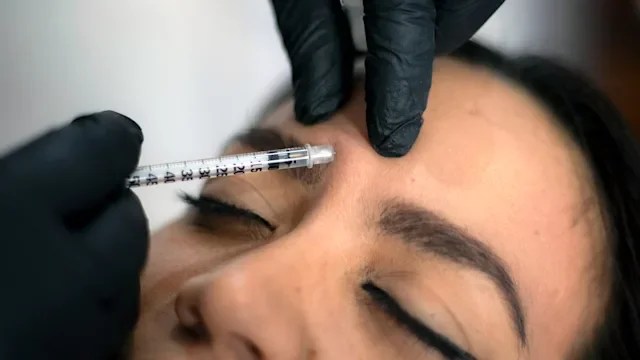
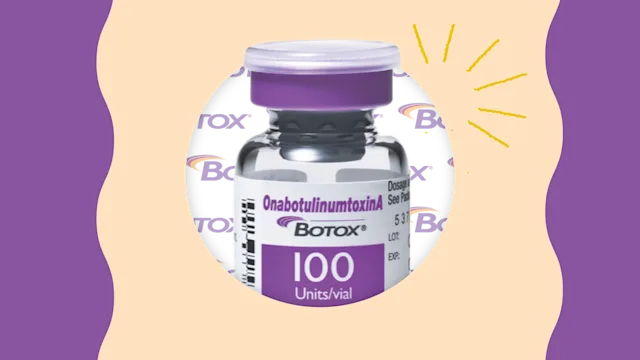
Botox (onabotulinumtoxinA) is most commonly associated with treating facial wrinkles (as Botox Cosmetic). But did you know that Botox was initially FDA approved to treat medical conditions — not cosmetic concerns?
Long before it became a household name in aesthetics, Botox was used to manage eye muscle disorders. Today, it’s approved for many additional medical uses, ranging from preventing headaches for people with chronic migraines to treating bladder problems. Here are six medical Botox uses, plus information about potential future applications.
What is Botox, and what is it used for?
Botox is made of a toxin from the bacterium Clostridium botulinum. In large amounts, this toxin can cause botulism, a potentially fatal disease that affects the body’s nerves. But if the toxin is given in small, targeted amounts — as is the case with Botox — you can experience medical benefits while avoiding serious illness.
When used in small amounts and isolated to certain muscles, Botox prevents nerves from firing. This causes muscle relaxation. Although Botox is mainly known for treating wrinkles, researchers have discovered that it can be useful for treating many health conditions.
1. Migraines
Migraines affect more than 10% of people worldwide and can significantly disrupt daily life. Botox is FDA approved to prevent headaches in adults with chronic migraines. The American Headache Society recommends Botox injections, among other treatments, for this use.
For migraine prevention, Botox is injected into specific areas around the head and neck every 3 months. It’s thought to work by blocking nerve signals involved in pain transmission. Some people experience enough improvement over time that they may need fewer treatments.
2. Excessive sweating
Excessive sweating (hyperhidrosis) is a chronic condition that can cause physical and mental distress. Botox is approved for adults with severe hyperhidrosis who don’t get enough relief from products that are applied to the skin (such as antiperspirants).
Botox works for hyperhidrosis by preventing nerves from releasing a chemical that promotes sweating. It tends to reduce sweating for about 6 to 9 months after an injection. So repeat treatments are often needed.
3. Spasticity
Botox is approved to treat limb spasticity in people who are at least 2 years old. Spasticity refers to an abnormal increase in uncontrollable muscle contractions (tightening).
Spasticity is a bothersome symptom of many medical conditions, including:
Multiple sclerosis (MS)
Trauma to the brain or spinal cord
Botox injections can decrease spasticity by blocking the release of a chemical that triggers muscle tightening. Treatment usually involves repeated Botox doses. But they’re usually spaced at least 12 weeks apart.
4. Bladder problems
Botox is approved to treat overactive bladder in adults. It’s also approved to treat overactive bladder associated with a neurological condition (such as spinal cord injury) in adults and children who are at least 5 years old.
One of the main causes of overactive bladder is excessive bladder muscle contractions. Botox can help relax the bladder muscle. This allows the bladder to fill more completely and reduces the urge to pee frequently.
Botox isn’t a first-choice treatment option for overactive bladder. But if first-choice options such as anticholinergic medications don’t work or aren’t tolerated, Botox may be considered. It has been shown to improve symptoms like being unable to control peeing. It’s also been shown to increase the capacity of the bladder to hold urine and decrease pressure in the bladder.
It’s recommended to repeat Botox injections for overactive bladder when the effects start to wear off. But the treatments should be spaced at least 12 weeks apart.
5. Neck spasms
Neck spasms — sometimes referred to as cervical dystonia — are caused by muscle nerves sending signals to the brain to contract unnecessarily. Botox can help treat cervical dystonia by temporarily relaxing the affected muscles. This can improve neck pain and help correct an abnormal head position.
Botox is approved to treat cervical dystonia in adults. The injections are given into the neck area. It takes about 6 weeks to see the full results. And usually, the treatments need to be repeated after a minimum of 3 months.
6. Eye problems
Botox injections are also approved for certain eye problems. This includes crossed eyes (strabismus) and eye twitching (blepharospasm) caused by involuntary muscle contractions in people who are at least 12 years old.
Injection results can usually be seen within a few days and peak about a week or two after treatment. For crossed eyes, the paralytic effect from Botox usually lasts about 2 to 6 weeks and gradually fades over a similar time frame. Some people may require additional doses, depending on how they respond to the first dose and other factors. For eye twitching, treatment results last for about 3 months. Repeat treatments may be given every 3 months.
Other potential Botox uses
In addition to the above conditions, Botox has been studied as a treatment for several other medical issues. While it’s not FDA-approved to treat any of these conditions, early research suggests it has potential benefits to consider.
Depression
Several studies have explored Botox facial injections as a treatment for depression. One theory on why it could be effective — called the facial feedback hypothesis — suggests that limiting certain facial expressions may influence emotional experience.
Some clinical trials have found improvements in depression symptoms after Botox treatment. Large observational studies have also noted a lower rate of reported depression among people receiving Botox for various conditions. However, more high-quality research is needed before Botox can be recommended as a treatment for depression.
Male sexual dysfunction
Botox has been studied as a potential treatment for erectile dysfunction (ED) and premature ejaculation (PE). It may help ED by relaxing certain muscles and improving blood flow, and it may help PE by reducing muscle contractions involved in ejaculation.
Early studies suggest Botox could be helpful for PE and as an add-on treatment for ED. But research so far has been limited and small in scale. Larger trials are needed to determine whether Botox is safe and effective for these uses.
Temporomandibular joint (TMJ) dysfunction
Botox may help relieve symptoms of temporomandibular joint (TMJ) disorders, which can cause jaw pain, tightness, and clicking. By relaxing overactive jaw muscles, Botox may reduce discomfort and improve function in some people.
Some studies have reported symptom improvement, but results are mixed, and current evidence is limited. More high-quality research is needed before Botox can be recommended as a standard treatment for TMJ disorders.
Gynecological conditions
Botox has also been studied for certain gynecological conditions, including vulvodynia (pain around the vaginal opening), abnormal vaginal muscle contractions, and chronic pelvic pain. Small studies have shown promising results, suggesting Botox may help relax pelvic muscles and reduce pain.
However, these uses remain off-label, and larger studies are needed to confirm long-term benefits and safety.
Frequently asked questions
Botox typically lasts about 3 to 4 months for most cosmetic uses, though some people may see effects for up to 6 months. For conditions such as excessive sweating, results can last longer, often around 6 to 9 months or more, depending on the area treated and individual response. The effects of Botox gradually wear off as nerve signals return, so repeat injections are usually needed to maintain results.
Botox isn’t permanent, so you can stop treatment at any time. If you stop injections, the effects will gradually wear off over several months, and your muscles will regain normal movement. Your wrinkles or other treated symptoms will also slowly return without Botox.
Botox typically lasts about 3 to 4 months for most cosmetic uses, though some people may see effects for up to 6 months. For conditions such as excessive sweating, results can last longer, often around 6 to 9 months or more, depending on the area treated and individual response. The effects of Botox gradually wear off as nerve signals return, so repeat injections are usually needed to maintain results.
Botox isn’t permanent, so you can stop treatment at any time. If you stop injections, the effects will gradually wear off over several months, and your muscles will regain normal movement. Your wrinkles or other treated symptoms will also slowly return without Botox.
The bottom line
Botox (onabotulinumtoxinA) has many benefits beyond being an effective wrinkle reducer, because of its ability to disrupt nerve signals. It has multiple other FDA-approved uses, including chronic migraine prevention and treating overactive bladder and hyperhidrosis. It’s also being studied for many off-label uses, including treating depression, male sexual dysfunction, and chronic pelvic pain.

Why trust our experts?



References
AbbVie. (2019). Botox (onabotulinumtoxinA) celebrates 30 years of endless innovation.
Ailani, J., et al. (2021). The American Headache Society consensus statement: Update on integrating new migraine treatments into clinical practice. Headache.
American Optometric Association. (n.d.). Strabismus (crossed eyes).
Castelão, M., et al. (2017). Botulinum toxin type A therapy for cervical dystonia. Cochrane Database of Systematic Reviews.
Chen, Y. T., et al. (2020). The effects of botulinum toxin injections on spasticity and motor performance in chronic stroke with spastic hemiplegia. Toxins.
Coles, N. A., et al. (2019). A meta-analysis of the facial feedback literature: Effects of facial feedback on emotional experience are small and variable. Psychological Bulletin.
Doft, M. A., et al. (2012). Treatment of hyperhidrosis with botulinum toxin. Aesthetic Surgery Journal.
Every Stage Health. (2024). Vulvodynia. American College of Obstetricians and Gynecologists.
Giuliano, F., et al. (2019). Safety and efficacy of intracavernosal injections of abobotulinumtoxinA (Dysport) as add on therapy to phosphodiesterase type 5 inhibitors or prostaglandin E1 for erectile dysfunction - Case studies. Toxins.
Giuliano, F., et al. (2022). Long term effectiveness and safety of intracavernosal botulinum toxin A as an add-on therapy to phosphodiesterase type 5 inhibitors or prostaglandin E1 injections for erectile dysfunction. The Journal of Sexual Medicine.
Hsieh, P. F., et al. (2016). Botulinum toxin A for the treatment of overactive bladder. Toxins.
Makunts, T., et al. (2020). Postmarketing safety surveillance data reveals antidepressant effects of botulinum toxin across various indications and injection sites. Scientific Reports.
Moga, M. A., et al. (2018). Therapeutic approaches of botulinum toxin in gynecology. Toxins.
Mor, N., et al. (2015). Temporomandibular myofascial pain treated with botulinum toxin injection. Toxins.
National Eye Institute. (2024). Blepharospasm. National Institutes of Health.
Naumann, M., et al. (2003). Botulinum toxin type A is a safe and effective treatment for axillary hyperhidrosis over 16 months: A prospective study. Archives of Dermatology.
Orasanu, B., et al. (2013). The use of botulinum toxin for the treatment of overactive bladder syndrome. Indian Journal of Urology.
Padda, I. S., et al. (2023). Botulinum toxin. StatPearls.
Pilitsis, J. G., et al. (2024). Spasticity. American Association of Neurological Surgeons.
Ramanadham, S. (2019). How long does Botox last? American Society of Plastic Surgeons.
Shad, M. U., et al. (2018). Glabellar botulinum toxin injections in major depressive disorder: A critical review. The Primary Care Companion for CNS Disorders.
Shaher, H., et al. (2024). Is bulbospongiosus muscle botox injection safe and effective in treating lifelong premature ejaculation? Randomized controlled study. World Journal of Urology.
Sportpharm. (2026). Botox - onabotulinumtoxinA injection, powder, lyophilized, for solution [package insert]. DailyMed.
Woldeamanuel, Y. W., et al. (2017). Migraine affects 1 in 10 people worldwide featuring recent rise: A systematic review and meta-analysis of community-based studies involving 6 million participants. Journal of the Neurological Sciences.