Key takeaways:
Telemedicine is a great option for getting healthcare services in an environment that’s convenient for you.
Telemedicine isn’t a good idea for emergencies. If you have a medical emergency, you should still seek in-person care.
Many healthcare professionals offer telemedicine, and your insurance may cover it. If you need a low-cost telemedicine option, give GoodRx Care a try.
When you’re feeling under the weather or have questions about your health, you usually schedule a visit with your primary care provider. Sometimes, you may even go to an urgent care clinic after hours.
But as communication technology advances, your options for care are expanding. Telemedicine services let you get medical advice anytime, anywhere — all without leaving the comfort of your home.
What is telemedicine?
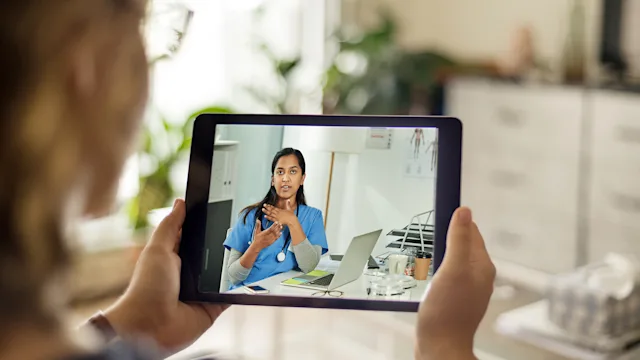
Telemedicine allows you to communicate with healthcare professionals using technology. And it lets you avoid visiting a clinic or hospital.
Search and compare options
With telemedicine, you can talk in real time with a healthcare professional about symptoms, medical issues, and more. You can use video calls, online portals, or email to get a diagnosis and learn about your treatment options.
You can also get a prescription electronically. When needed, your healthcare team can even track readings from medical devices to monitor your condition.
There are three common types of telemedicine:
Interactive medicine: This is when you communicate with a healthcare professional in real time using phone or video communication.
Remote patient monitoring: This lets healthcare teams monitor you remotely. Using mobile medical equipment, you can collect and share data on things like blood pressure and blood sugar levels.
Store and forward: Health information that you enter is shared with a healthcare professional and reviewed at a later time, not in real time.
Since the 1950s, healthcare professionals have been offering remote services. Telemedicine first began on landline telephones. As technology has advanced, telemedicine has grown to offer services in a variety of ways. This includes online portals, video software for remote visits, and apps managed by companies that offer telemedicine services, like GoodRx Care.
How do telemedicine services work?
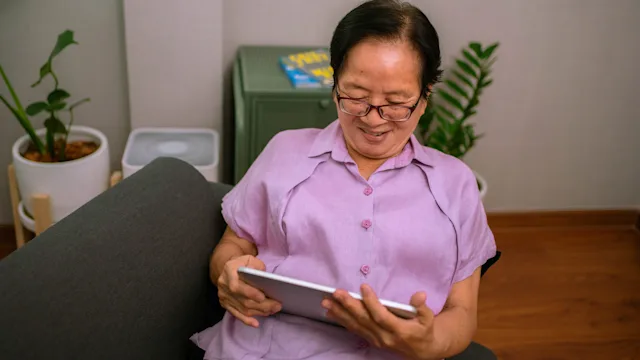
Telemedicine appointments let you connect virtually with a healthcare professional. This usually happens through a secure online video platform. To use telemedicine services, you need a stable internet connection and a web camera. You may also need to download an app or other software to connect online.
Telemedicine is very useful for simple issues and follow-up consultations. Examples of the care you can receive from a telemedicine appointment include:
An infected cut
Medication refills (like birth control)
Psychotherapy
Colds and flu
Diarrhea

How much does a telemedicine visit cost? It depends on a few factors, including the type of visit and your insurance.
What are the pros and cons of telehealth? Our experts break it down for you, including cost, convenience, and requirements.
Need a prescription online through telemedicine? Here’s what you need to know.
The difference between telemedicine and telehealth
The terms “telemedicine” and “telehealth” sound the same, but they’re different.
Telemedicine uses technology to connect healthcare professionals with people seeking medical care. This gives you the freedom to get treatment without going to an office for medical services.
On the other hand, telehealth is a support tool — not a service. Telehealth is a way to improve patient care and physician education. It expands beyond telemedicine to cover nonclinical aspects of care. This includes appointment scheduling, continuing medical education, and physician training.
Read more like this
Explore these related articles, suggested for readers like you.



The benefits of telemedicine services
There are several benefits of telemedicine. Compared with traditional, in-person care, telemedicine can be:
More accessible: It’s helpful for people in rural areas, those with transportation issues, or anyone needing hard-to-find specialists.
More convenient: There’s no need to leave your home or workplace, and it may be more suitable for those with unpredictable schedules.
More affordable: Basic telemedicine visits usually cost less. You also save on parking, transit fares, or caregiving costs while you’re away.
Less time-consuming: You don’t need to take time off work or sit in traffic.
The disadvantages of telemedicine services
As convenient as telemedicine is, there are a few disadvantages:
You can’t use it for every scenario. Anything that requires immediate or hands-on care should be treated in person. Telemedicine isn’t appropriate for emergency situations, like chest pain or broken bones.
There may be gaps in your care. This can happen if your visit isn’t with your own healthcare team or if your electronic health records aren’t shared. Your primary care provider should always know if you get care or a prescription from someone else. This prevents medical errors and medication interactions. Taking the time to make sure your records are shared and complete may take a little effort on your part.
Technology may be difficult or unreliable. Telemedicine can also be hard to navigate for some people. It requires a basic understanding of the internet and web services. If you aren’t familiar with technology or have an unstable connection, you may have some trouble using telemedicine.
There may be privacy risks. Telemedicine providers must follow Health Insurance Portability and Accountability Act (HIPAA) rules to protect your data. But using a public computer or WiFi can increase your risks. Follow these tips to keep your visits secure.
Does Medicare or private insurance cover telemedicine?
Medicare part B covers telemedicine visits, and the exact amount depends on your deductible. Coverage was expanded after the pandemic, but not all changes were permanent. So be aware that coverage for certain telemedicine visits could change.
Medicaid coverage varies by state, and most private insurance plans cover at least some telemedicine services. Some states have laws that require insurance plans to reimburse telemedicine visits at the same rate as in-person visits.
It’s best to check your plan’s benefits before using telemedicine so you understand your financial obligation. Be sure to ask about copays, coinsurance, and any costs for related lab tests or medications.
What to expect during a telemedicine appointment
A telemedicine visit isn’t very different from an in-person visit. The exception, of course, is that there won’t be a physical examination. Here’s what to expect:
During the visit, you’ll speak with the healthcare professional as usual. They’ll ask questions, and you’ll be able to ask questions, too. Try to answer the questions to the best of your ability and take your time.
Your telemedicine provider may review any relevant data from remote monitoring tools, such as your blood sugar levels or blood pressure readings.
The visit will conclude with a plan. This may involve instructions for any follow-up testing or appointments, prescriptions, or referrals. Be sure you understand the plan before the visit ends so you know what to do next.
The healthcare professional can send you a summary after the visit (if applicable).
Who should try telemedicine?
Telemedicine may be a good option the next time you come down with a case of the sniffles or need a refill on a medication. Check if your current healthcare team offers telemedicine services that your insurance plan covers. Or you can try a telemedicine option like GoodRx Care.
GoodRx research found that the cost of both in-person and telemedicine visits can vary. It’s worth your time to shop around before you commit to paying a specific healthcare professional.
Frequently asked questions
It may surprise you to learn that telemedicine began several decades ago. Today, people are more familiar and comfortable with it, thanks to the rise in telemedicine visits during the COVID-19 pandemic.
Yes. Telephone visits are fine for chatting with a clinician about an established diagnosis. In fact, research suggests there’s no significant difference in outcomes between telephone and video visits. But for new problems, there’s less research, and your healthcare professional may prefer to see you in person instead.
As with any clinical visit, preparation can help you make the most of your time with your clinician. Be sure to have a list of medications ready for your appointment. Write down your questions and concerns ahead of time.
It’s also a good idea to check your technology before you start. You may need to download a specific app for the visit. Find a place to be comfortable and still, log in early, and remove any distractions. These troubleshooting tips can help if you’re having problems connecting.
It may surprise you to learn that telemedicine began several decades ago. Today, people are more familiar and comfortable with it, thanks to the rise in telemedicine visits during the COVID-19 pandemic.
Yes. Telephone visits are fine for chatting with a clinician about an established diagnosis. In fact, research suggests there’s no significant difference in outcomes between telephone and video visits. But for new problems, there’s less research, and your healthcare professional may prefer to see you in person instead.
As with any clinical visit, preparation can help you make the most of your time with your clinician. Be sure to have a list of medications ready for your appointment. Write down your questions and concerns ahead of time.
It’s also a good idea to check your technology before you start. You may need to download a specific app for the visit. Find a place to be comfortable and still, log in early, and remove any distractions. These troubleshooting tips can help if you’re having problems connecting.
The bottom line
Telemedicine doesn’t mean that you’ll never visit a clinic again. But it can make care more accessible and affordable in some cases. It can also definitely help reduce the time you spend in a waiting room. Check with your healthcare team to see if they offer telemedicine services. You can also check with your insurance provider to make sure they cover telemedicine services.

Why trust our experts?


References
Assistant Secretary for Technology Policy. (2023). Telemedicine and telehealth.
Byambasuren, O., et al. (2023). Comparison of telephone and video telehealth consultations: Systematic review. Journal of Medical Internet Research.
Federal Communications Commission. (n.d.). Telehealth, telemedicine, and telecare: What’s what?
Telehealth.HHS.gov. (2024). What are different types of telehealth?
Telehealth.HHS.gov. (2025). What if I’m having trouble using telehealth?
U.S. Department of Health and Human Services. (2023). Telehealth privacy and security tips for patients.