



What Happens If You Leave Hypothyroidism Untreated?
Untreated hypothyroidism can cause mental health issues, heart disease, and fertility problems. Here’s how to spot and treat hypothyroidism in the early stages.
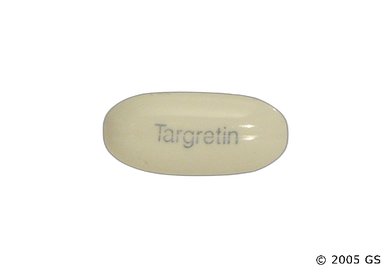
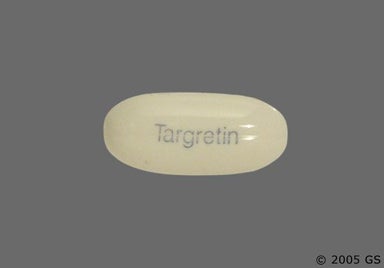
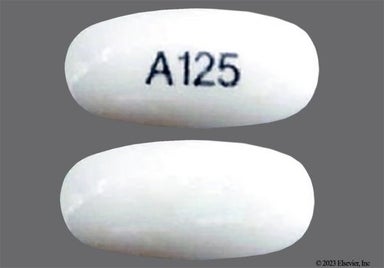
Bexarotene (Targretin) is an oral retinoid medication used to treat a rare skin cancer called cutaneous T-cell lymphoma (CTCL) in adults. It’s a type of chemotherapy, usually prescribed when other treatments have stopped working. You take the dose once a day with food, and you’ll need regular blood tests to check for side effects. Common side effects include headache, feeling very tired or low on energy, and high cholesterol levels in the blood.

Bexarotene (Targretin) is a retinoid. It activates certain proteins in your body called retinoid X receptors (RXRs). These receptors help control how cells grow and divide.
Though the exact way bexarotene (Targretin) works to treat cutaneous T-cell lymphoma is not fully known, it’s thought to slow down or stop the growth of tumor cells.
| Common Brands | Targretin |
|---|---|
| Drug Class | Retinoid |
| Controlled Substance Classification | Not a controlled medication |
| Generic Status | Lower-cost generic available |
| Availability | Prescription only |

The following side effects may get better over time as your body gets used to the medication. Let your healthcare provider know immediately if you continue to experience these symptoms or if they worsen over time.
Contact your healthcare provider immediately if you experience any of the following.
Along with its needed effects, a medicine may cause some unwanted effects. Although not all of these side effects may occur, if they do occur they may need medical attention.
Since this medication is given in varying doses, the actual frequency of side effects may vary. In general, side effects are less common with lower doses than with higher doses.
Check with your doctor as soon as possible if any of the following side effects occur:
More common
Unusual tiredness or weakness
skin rash or other skin and mucous membrane lesions
increase in lipid or cholesterol levels
coldness, dry, puffy skin or weight gain
chills, cough, hoarseness, lower back or side pain or painful or difficult urination
swelling of the arms, feet, hands, or legs
Some side effects may occur that usually do not need medical attention. These side effects may go away during treatment as your body adjusts to the medicine. Also, your health care professional may be able to tell you about ways to prevent or reduce some of these side effects. Check with your health care professional if any of the following side effects continue or are bothersome or if you have any questions about them:
Other side effects not listed may also occur in some patients. If you notice any other effects, check with your healthcare professional.
Call your doctor for medical advice about side effects. You may report side effects to the FDA at 1-800-FDA-1088.




Bexarotene (Targretin) can cause some serious health issues. This risk may be even higher for certain groups. If this worries you, talk to your doctor or pharmacist about other options.
 Bexarotene (Targretin) can cause harm to an unborn baby, so it’s not safe during pregnancy. If you’re able to get pregnant, you’ll need to take a pregnancy test within 1 week before starting the medication and then once a month during treatment. It’s recommended to use two forms of birth control starting 1 month before, during treatment, and for 1 more month after stopping bexarotene (Targretin). One of these should be non-hormonal because hormonal birth control might not work as well with this medication. Let your care team know right away if you become pregnant while taking this medication.
If you're a male taking bexarotene (Targretin) and your partner can become pregnant, you must use a condom during sex and continue to do so for at least 1 month after your last dose.
Bexarotene (Targretin) can cause high levels of cholesterol and triglycerides (fat) in most people who take it. These changes can raise your risk for serious health problems, so it’s important for your care team to monitor your levels closely. Before you start treatment with bexarotene (Targretin), you will do a fasting blood test to check your cholesterol and triglyceride levels. These will be checked weekly at first, then every 2 months once your levels are stable. If your levels get too high during treatment, your oncologist might lower your dose, pause treatment, or give you medication to help manage cholesterol. One commonly used option is atorvastatin.
Bexarotene (Targretin) can cause pancreatitis (inflammation of the pancreas), which can be life-threatening. Your risk is higher if you’ve had pancreatitis before, drink a lot of alcohol, or take medications that raise fat levels or affect the pancreas. Tell your care team right away if you have nausea, vomiting, stomach pain, or back pain.
Bexarotene (Targretin) can cause liver problems, especially if you’re taking a higher dose. You’ll have regular blood tests to check your liver before starting treatment, and again at 1, 2, and 4 weeks. If your liver tests stay stable, your care team will continue to check them at least every 2 months during treatment. Talk to your oncologist immediately if you notice yellowing of your eyes or skin, reduced appetite, unusual bleeding, or bruising.
Bexarotene (Targretin) can cause hypothyroidism (low thyroid hormone levels). Your care team will check your thyroid function before and during treatment. If your levels drop, your oncologist might have you start thyroid hormone replacement therapy. In studies, about one-third of people taking bexarotene (Targretin) needed these replacement medications. Tell your care team if you feel more tired than usual, cold, or gain weight since these could be signs of low thyroid hormone levels.
Bexarotene (Targretin) can lower your white blood cell count, which might make it harder for your body to fight infections. In studies, this usually happened within 4 to 8 weeks of starting treatment, and got better within about 30 days after lowering the dose or stopping the medication. Your care team will check your blood counts before starting treatment and regularly during treatment to monitor for these changes. Let them know if you have symptoms like frequent infections, fever, or feeling more tired than usual.
In studies, some people had new or worsening cataracts after taking bexarotene (Targretin). If you notice vision changes or problems seeing, tell your oncologist. They might refer you for an eye exam to check for cataracts or other eye problems.
If you're taking insulin or other diabetes medications like sulfonylureas or thiazolidinediones, bexarotene (Targretin) can make them work more strongly and raise your risk of low blood sugar (hypoglycemia). This hasn’t been seen when bexarotene (Targretin) is used by itself, but it’s important to watch for symptoms like shakiness, sweating, or dizziness. Talk to your care team before starting this medication if you're taking anything to manage your blood sugar.
bexarotene (Targretin), like other retinoids, can make your skin more sensitive to sunlight. Some people have had sunburns or skin irritation after being in the sun while taking this medication. To help prevent this, limit direct sunlight and tanning beds during treatment. If you go outside, wear sunscreen, protective clothing, and a hat.


Although certain medicines should not be used together at all, in other cases two different medicines may be used together even if an interaction might occur. In these cases, your doctor may want to change the dose, or other precautions may be necessary. When you are taking this medicine, it is especially important that your healthcare professional know if you are taking any of the medicines listed below. The following interactions have been selected on the basis of their potential significance and are not necessarily all-inclusive.
Using this medicine with any of the following medicines is usually not recommended, but may be required in some cases. If both medicines are prescribed together, your doctor may change the dose or how often you use one or both of the medicines.
Using this medicine with any of the following medicines may cause an increased risk of certain side effects, but using both drugs may be the best treatment for you. If both medicines are prescribed together, your doctor may change the dose or how often you use one or both of the medicines.


Contraindications are specific health conditions or situations in which a person should not take a medication due to safety concerns. If you have any of the following conditions or if any of the following apply to you, let your healthcare provider know because Bexarotene (Targretin) will not be safe for you to take.


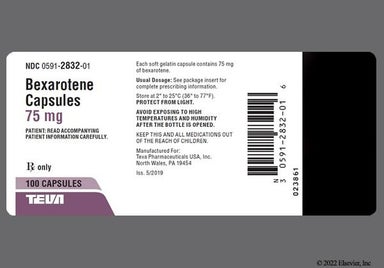
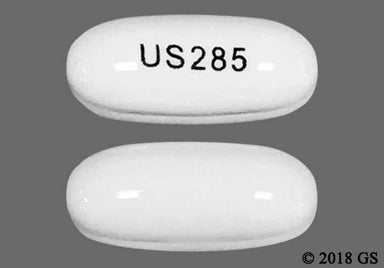
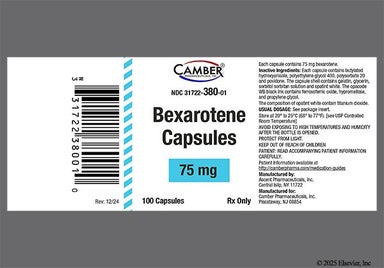
Prescription savings
Stop paying too much for your prescriptions. Compare prices, get pharmacy coupons, and save up to 80%. Find expert answers to your health questions so you can make the best decisions for yourself and your family.
Health conditions
Medications & treatment
Access & affordability
 Our monthly healthcare membership can help you save thousands on your prescription costs.
Resources

Yes, Bexarotene is considered chemotherapy. It’s believed to slow the growth of cancer cells in your body. Because of this, make sure to handle and store the medication carefully, and keep it out of reach of children and pets.
Bexarotene can take several weeks to months to start working. Your oncology care team will keep track of how you're doing and might adjust your dose or treatment plan if needed. It's important to keep taking the medication as prescribed, even if you don't see results right away.
Bexarotene comes in two forms — oral capsule and topical gel — and each is used differently to treat cutaneous T-cell lymphoma (CTCL). The capsule is taken by mouth and works throughout the whole body, but it might cause more side effects and usually requires regular blood tests. The topical gel is applied directly to your skin, usually causes milder side effects and normally doesn’t require blood monitoring. Your oncologist will help decide which form is best for you, so ask if you have questions about the differences between them.
