



How Long Does Retin-A (Tretinoin) Take to Work? Plus 9 More FAQs
Retin-A (tretinoin) can start working in 2 weeks, but the full effects can take 12 weeks or longer. Learn more about Retin-A with these FAQs from GoodRx.
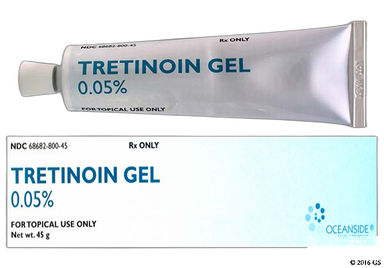
Atralin (tretinoin) is a prescription topical retinoid used to treat acne in adults and children 10 years and older. It comes as a gel that's applied to affected areas of the skin once a day. Common side effects include dry skin, peeling or flaking, burning, and redness.

| Common Brands | Atralin |
|---|---|
| Drug Class | Retinoid |
| Controlled Substance Classification | Not a controlled medication |
| Generic Status | Lower-cost generic available |
| Availability | Prescription only |

The following side effects may get better over time as your body gets used to the medication. Let your healthcare provider know immediately if you continue to experience these symptoms or if they worsen over time.
Contact your healthcare provider immediately if you experience any of the following.
Along with its needed effects, a medicine may cause some unwanted effects. Although not all of these side effects may occur, if they do occur they may need medical attention.
Check with your doctor immediately if any of the following side effects occur:
More common
Burning, stinging, peeling, redness, or unusual dryness of the skin (severe)
Less common
Dryness, pain, redness, irritation, or peeling at the application site
Some side effects may occur that usually do not need medical attention. These side effects may go away during treatment as your body adjusts to the medicine. Also, your health care professional may be able to tell you about ways to prevent or reduce some of these side effects. Check with your health care professional if any of the following side effects continue or are bothersome or if you have any questions about them:
More common
Burning, itching, stinging, scaling, or redness of the skin
chapping or slight peeling of the skin (mild)
darkening of the skin
lightening of normal skin color
lightening of treated areas of dark skin
redness of skin (mild)
unusual dryness of skin (mild)
unusually warm skin (mild)
Other side effects not listed may also occur in some patients. If you notice any other effects, check with your healthcare professional.
Call your doctor for medical advice about side effects. You may report side effects to the FDA at 1-800-FDA-1088.



How to use Atralin (tretinoin)

Atralin (tretinoin) can cause some serious health issues. This risk may be even higher for certain groups. If this worries you, talk to your doctor or pharmacist about other options.
Atralin (tretinoin) can cause dryness, redness, peeling, or irritation where you apply it. To help prevent irritation, wash your skin gently with a mild cleanser, avoid scrubbing or washing too often, and use a moisturizer if needed. Also avoid contact with lime peels, which can irritate your skin.
Tell your care team if your skin becomes very irritated. They might recommend using less medication, applying it less often, pausing treatment, or stopping it.
Atralin (tretinoin) can make your skin more sensitive to sunlight and more likely to become irritated from cold or windy weather. Limit time in the sun and avoid sunlamps and tanning beds. When you're outside, use sunscreen with at least SPF 15 and wear protective clothing over treated skin.
Atralin (tretinoin) contains fish proteins, which might cause an allergic reaction if you have a fish allergy. Tell your care team about any fish allergies before starting treatment. Contact them if you develop itching or hives after using the medication.

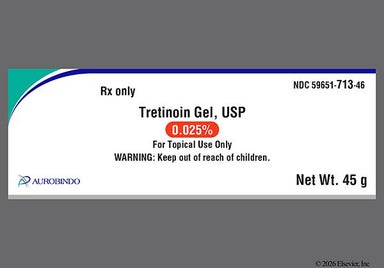
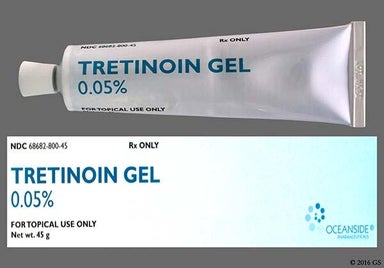
 Tube of gel
| Dosage | Quantity | Price as low as | Price per unit |
|---|---|---|---|
| 45g of 0.05% | 1 tube | $101.78 | $101.78 |

Although certain medicines should not be used together at all, in other cases two different medicines may be used together even if an interaction might occur. In these cases, your doctor may want to change the dose, or other precautions may be necessary. Tell your healthcare professional if you are taking any other prescription or nonprescription (over-the-counter [OTC]) medicine.








Prescription savings
Stop paying too much for your prescriptions. Compare prices, get pharmacy coupons, and save up to 80%. Find expert answers to your health questions so you can make the best decisions for yourself and your family.
Health conditions
Medications & treatment
Access & affordability
Medication discounts


Atralin and Retin-A are both brand-name prescription medications that contain tretinoin, a topical retinoid used to treat acne. The main difference is their formulation. Atralin comes as a topical gel, while Retin-A comes as a cream or gel. Ask your prescriber if you have questions about how the two compare.
You can buy Atralin at a pharmacy, but you'll need a prescription from a healthcare professional. It's not available over the counter.
Atralin contains tretinoin, a prescription-only retinoid, while Differin contains adapalene, a newer retinoid that's available over the counter in lower strengths. Both treat acne by helping keep pores clear and speeding up skin cell turnover. Talk to your dermatologist if you have questions about how they compare.
You can use Acanya (clindamycin/benzoyl peroxide) and Atralin together, but they're usually applied at different times to help prevent skin irritation. Benzoyl peroxide can also make tretinoin work less well when applied at the same time. Your dermatologist might recommend applying Acanya in the morning and Atralin at night or using them on different days. Talk to your prescriber before combining these acne treatments.
Atralin isn't FDA-approved for wrinkles, but its active ingredient, tretinoin, is used to treat wrinkles in other products, such as Renova. Tretinoin boosts collagen production and speeds up skin cell turnover, which can help smooth fine lines and improve skin texture. Talk to your healthcare professional about treatment options for wrinkles.
Atralin isn't FDA approved to treat rosacea. It's specifically approved for acne. If you have rosacea, talk to your dermatologist about treatments that can help with symptoms such as redness and breakouts.
You might start to notice an improvement in your acne about 2 weeks after starting Atralin, but it can take 6 weeks or longer to see the full effects. Your acne might temporarily get worse during the first few weeks, with more pimples or redness, but this usually improves after 2 to 3 weeks. Talk to your prescriber if your acne hasn't improved after a few months.
Yes, Atralin expires, and you can find the expiration date on the tube or carton. Using expired medication might not work as well. If your medication has expired, don't use it and contact your prescriber or pharmacist about getting a new tube.
