




What Are the Best Migraine Treatments and Remedies?
From prescription medications to better sleep, finding the right migraine treatment can be hard. Learn the stages of a migraine and the best options for relief.

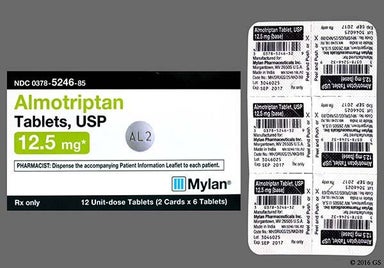
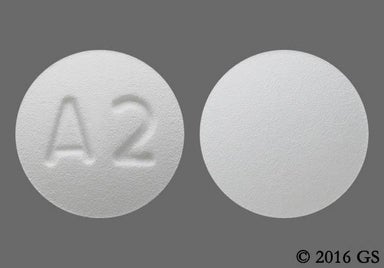
Almotriptan is a type of migraine medication called a triptan. It treats migraine with or without aura in adults and certain children age 12 to 17 years. Its brand name Axert has been discontinued, so almotriptan is now only available as a generic. Almotriptan is a tablet that's swallowed whole when a migraine starts. You can take another tablet at least 2 hours later if the medication doesn't completely relieve your migraine. Side effects include sleepiness and headache.

Almotriptan is a triptan. It works on receptors in your brain and nervous system that respond to serotonin. Serotonin is a natural chemical in your body that's thought to be involved in causing migraines.
Almotriptan attaches to the serotonin receptors in the brain. It causes the blood vessels in the brain to tighten, which then lessens blood vessel swelling. This helps relieve migraine pain. The medication also helps with migraine pain by stopping other pain signals from releasing through the nervous system.
| Common Brands | Axert |
|---|---|
| Drug Class | Triptan |
| Controlled Substance Classification | Not a controlled medication |
| Generic Status | Lower-cost generic available |
| Availability | Prescription only |

The following side effects may get better over time as your body gets used to the medication. Let your healthcare provider know immediately if you continue to experience these symptoms or if they worsen over time.
Adults:
Children age 12 years and older:
Contact your healthcare provider immediately if you experience any of the following.
Along with its needed effects, a medicine may cause some unwanted effects. Although not all of these side effects may occur, if they do occur they may need medical attention.
Check with your doctor immediately if any of the following side effects occur:
Less common
Burning, crawling, itching, numbness, prickling, "pins and needles", or tingling feelings
discharge from the eye
fast, irregular, pounding, or racing heartbeat or pulse
itching, redness, or swelling of the skin
neck pain or rigid neck
redness of the inner lining of the eyelid
skin rash
shortness of breath
tightness in the throat
Rare
Abdominal or stomach cramping or pain
black, tarry stools
blood in the stools
bringing back up of food
chest pain, severe
cool, pale skin
difficulty with swallowing
fainting
heartburn, repeated
increased sweating
loss of appetite
loss of vision
rapid breathing
tightness in the chest
Some side effects may occur that usually do not need medical attention. These side effects may go away during treatment as your body adjusts to the medicine. Also, your health care professional may be able to tell you about ways to prevent or reduce some of these side effects. Check with your health care professional if any of the following side effects continue or are bothersome or if you have any questions about them:
More common
Burning, numbness, prickly, or tingling feeling
dizziness
headache
sleepiness
Less common
Aching, fullness, or tension in the sinuses
anxious feeling
back pain
belching
change in sense of taste
chills
cough producing mucus
decreased sensitivity to touch
feeling of constant movement of self or surroundings
feeling of spinning
feeling of warmth or heat
flushing or redness of the skin
increased sense of hearing
indigestion
lack or loss of strength
muscle aches or weakness
nosebleed
painful menstrual period
quivering or trembling
restlessness
runny or stuffy nose
trouble sleeping
vomiting
Rare
Abnormal increase in reflexes
abnormally increased feeling of mental and physical well-being
buzzing or ringing in the ears
change in dreams or nightmares
change in sense of smell
change in sense of touch
clumsiness or unsteadiness
continuous, uncontrolled, back-and-forth or rolling eye movements
difficulty in concentrating
double vision
dry throat
feeling of pins and needles
hoarseness
increased sensitivity to sunlight
increased thirst
loss of voice
mental depression
muscle stiffness
nervousness
pain, redness, swelling, or warmth in the joints
stabbing pain
Other side effects not listed may also occur in some patients. If you notice any other effects, check with your healthcare professional.
Call your doctor for medical advice about side effects. You may report side effects to the FDA at 1-800-FDA-1088.




Almotriptan can cause some serious health issues. This risk may be even higher for certain groups. If this worries you, talk to your doctor or pharmacist about other options.
In very rare cases, people have had serious heart problems within a few hours after they took triptans like almotriptan. These heart problems can include heart attack, chest pain (angina), and changes to their heart rhythm (arrhythmia). It can happen in people with or without a history of heart disease.
Before you start taking almotriptan, your prescriber will check your risk for heart problems. To be safe, people with certain heart problems shouldn't take almotriptan. If you're at high risk, you might need to take your first dose at your prescriber's office so they can monitor your heart right away. Your prescriber might check your heart periodically if you need to take the medication as needed for a long time.
Get medical help as soon as possible if you have severe chest pain that might travel to the arms, neck, or jaw; trouble breathing; sweating; nausea; weakness; a pounding or fluttering heart; or slow heartbeat. These can be signs of a serious heart problem. Don't take any more almotriptan until a healthcare professional checks that the medication is safe for you.
Some people who've taken triptans like almotriptan have had life-threatening strokes or bleeding in the brain (brain hemorrhage). You can't take almotriptan if you've had a stroke or "mini-stroke."
Symptoms of a stroke or brain bleed include sudden weakness on one side of your body, severe headache, drooping face, trouble breathing, or changes in speech or vision. They can be similar to migraine symptoms, so strokes can be mistaken for a migraine. Stop taking almotriptan and get emergency medical help right away if you notice symptoms of a stroke or brain bleed. This is especially important if you haven't had a migraine before.
Almotriptan can cause the blood vessels in certain areas of your body to become very narrow. This can prevent certain parts of your body from getting enough blood, which can lead to problems.
For example, this effect can sometimes cause symptoms similar to Raynaud's phenomenon. It can look like color changes in your hands and feet (can turn pale or more reddish depending on how much blood is flowing through). Other times, the blood vessels in the stomach can narrow and cause stomach pain or bloody diarrhea. And although rare, narrowing of the blood vessels in the eye can cause vision problems.
Let your prescriber know if you have any of these symptoms so they can check whether it's safe for you to continue to take almotriptan.
Almotriptan can raise the risk for serotonin syndrome, a potentially life-threatening condition caused by high levels of serotonin in the brain. The risk is even higher if you're taking almotriptan with other medications that also raise serotonin levels in the body. Common examples of these medications include antidepressants.
Symptoms of serotonin syndrome can include fever, sweating, shivering, fast heartbeat, anxiety, confusion, movement problems, and seizure. These symptoms can appear after you start a new medication that raises your serotonin levels. They can also appear when you switch to a higher dose of these medications. Stop taking almotriptan and talk to your prescriber if you notice any symptoms of serotonin syndrome.
Taking more than the recommended dose of migraine medications, including almotriptan, or taking them too often can cause them to work less well. It can lead to medication-overuse headaches (also called rebound headaches). This is when you have more migraine-like headaches or more migraine attacks.
Let your prescriber know if you're taking more than one migraine medication and if you need to take them for more than 9 days in a month. Also tell your prescriber if you have more than 4 migraine headaches per month while you're taking almotriptan. Your prescriber can talk with you about better options to help with your migraines.
A rise in blood pressure can happen after taking almotriptan in people with and without a history of high blood pressure. In studies, people had a small rise in blood pressure over the first 4 hours after they took 12.5 mg of almotriptan. In some rare cases, people who've taken the medication have had notably higher blood pressure that can be dangerous. Don't take almotriptan if you have uncontrolled high blood pressure.
Your prescriber might recommend checking your blood pressure occasionally at home when you take almotriptan. Get medical help as soon as possible if you have a severe headache, confusion, blurred vision, chest pain, trouble breathing, nausea, or a racing heart. These can be signs of extremely high blood pressure.
It's possible to have a life-threatening allergic reaction to almotriptan. These reactions can include anaphylaxis and swelling of the face, mouth, lips, or throat. People with a sulfa allergy should watch out for these allergic reactions because the medication contains a component that's similar to sulfa. Stop taking almotriptan and call 911 right away if you have a rash; swelling of the face, mouth, or throat; closing of the throat; or trouble breathing.


Although certain medicines should not be used together at all, in other cases two different medicines may be used together even if an interaction might occur. In these cases, your doctor may want to change the dose, or other precautions may be necessary. When you are taking this medicine, it is especially important that your healthcare professional know if you are taking any of the medicines listed below. The following interactions have been selected on the basis of their potential significance and are not necessarily all-inclusive.
Using this medicine with any of the following medicines is not recommended. Your doctor may decide not to treat you with this medication or change some of the other medicines you take.
Using this medicine with any of the following medicines is usually not recommended, but may be required in some cases. If both medicines are prescribed together, your doctor may change the dose or how often you use one or both of the medicines.
Using this medicine with any of the following medicines may cause an increased risk of certain side effects, but using both drugs may be the best treatment for you. If both medicines are prescribed together, your doctor may change the dose or how often you use one or both of the medicines.


Contraindications are specific health conditions or situations in which a person should not take a medication due to safety concerns. If you have any of the following conditions or if any of the following apply to you, let your healthcare provider know because Almotriptan will not be safe for you to take.








Prescription savings
Stop paying too much for your prescriptions. Compare prices, get pharmacy coupons, and save up to 80%. Find expert answers to your health questions so you can make the best decisions for yourself and your family.
Health conditions
Medications & treatment
Access & affordability
 Our monthly healthcare membership can help you save thousands on your prescription costs.
Resources

Almotriptan isn't known to be habit-forming or addictive. Speak with your prescriber if you've taken Almotriptan or any other migraine medications for more than 9 days in a month. This isn't a sign of addiction but rather that your migraine medication might not be right for you. Your prescriber can talk with you about other options that could help with your migraines better.
Yes, the brand name version of Almotriptan called Axert is discontinued and is no longer available. It's not clear why the brand name was discontinued. Generic Almotriptan is still available and can be prescribed by a healthcare professional.
Almotriptan and naratriptan are both triptans that are used to treat migraine attacks. They're both tablets that are swallowed whole. Although Almotriptan is approved for people age 12 years and older, only adults can take naratriptan. In addition, you need to wait for at least 2 hours to take a second dose of Almotriptan if the medication didn't fully relieve your migraine. But you need to wait at least 4 hours after your first dose of naratriptan before you can take another tablet to get more relief. Speak with your prescriber to compare between Almotriptan and naratriptan.
In clinical studies, some people started to have migraine pain relief as soon as 30 minutes after they took a tablet of the 12.5 mg strength of Almotriptan. Keep in mind that it can take up to 2 hours to feel complete pain relief after you take Almotriptan.
You should take Almotriptan only when you have a migraine. There are certain limitations as to how often you can take Almotriptan and how many migraines you can take the medication for in a given period of time. These limitations are for your safety. Don't take Almotriptan for an average of more than 4 migraines in a month because it's not known how safe this is. Also don't take Almotriptan or any other migraine medications for more than 9 days in a month. Otherwise, it can lead to medication-overuse headaches, which are daily migraine-like headaches or more frequent migraines. Talk to your prescriber about other treatment options for migraine if you need to take Almotriptan or your other migraine medications more often than this.
It's not recommended to drink alcohol with Almotriptan. Drinking alcohol can raise your risk for migraines and headaches. It can also make possible side effects of Almotriptan like sleepiness or tiredness more intense. Speak with your prescriber about your drinking habits if you need to take Almotriptan.
Discuss the risks and benefits of taking Almotriptan if you're pregnant. There aren't enough studies that look at how safe it is to take this medication while pregnant.
