Key takeaways:
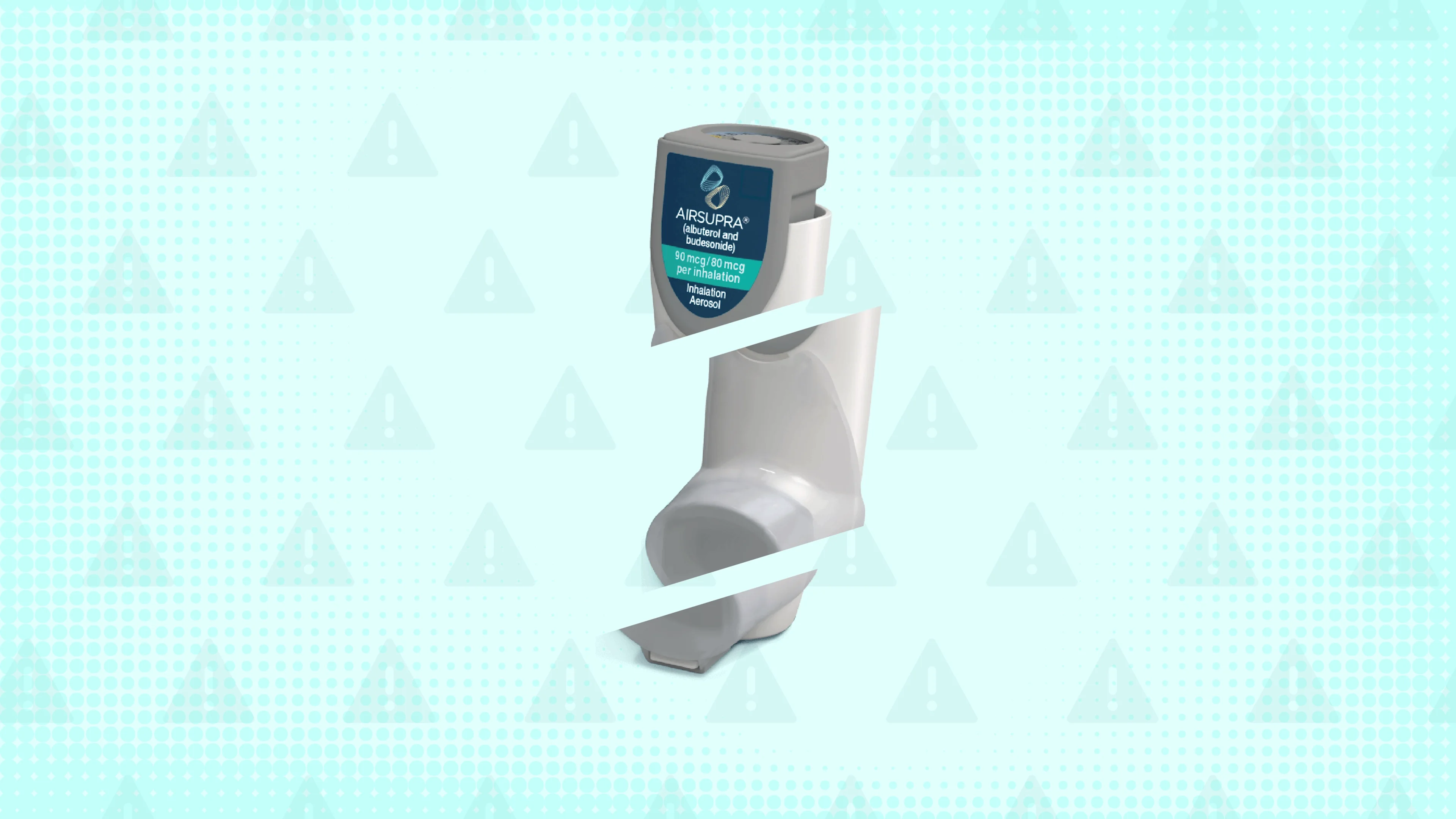
Airsupra (albuterol / budesonide) is a prescription inhaler for adults living with asthma. It contains two medications that quickly open up your airways when breathing feels difficult.
Most Airsupra side effects are mild and temporary. Headaches, oral thrush (a fungal infection in the mouth), and a hoarse voice are some of the most frequent complaints.
In very rare cases, Airsupra can cause sudden airway tightening, making it even harder to breathe. This is a serious medical emergency. Heart- and eye-related risks are also possible, but they’re uncommon and can be managed with regular check-ins with your care team.
Save on related medications
It’s crucial to have the right medication on hand when you’re having difficulty breathing. Airsupra is one option; it’s an inhaler that contains albuterol and budesonide. These two medications work together to help you breathe more easily when your airways tighten up due to asthma.
Albuterol is a short-acting beta agonist that quickly opens up your airways, while budesonide is an inhaled corticosteroid (steroid) that helps calm lung inflammation. Together, these two medications help prevent and relieve your symptoms. Adults can use Airsupra as needed for asthma attacks or shortness of breath; it’s not meant for routine use.
Most people tolerate Airsupra well. Side effects, if any, are mild. However, there are still some relevant side effects you should know about. Being aware of these risks and spotting them early can set the stage for a successful experience with the medication.
Airsupra side effects at a glance
Mild and somewhat common Airsupra side effects include:
Headache
Oral thrush (a fungal infection in the mouth)
Hoarse voice
Cough
Rare but potentially serious Airsupra side effects include:
Heart effects
Eye risks
Low blood potassium levels
Bone weakening (decrease in bone density)
Increased risk of infection
Worsening of asthma
Airway tightening, which makes it harder to breathe (paradoxical bronchospasm)
Here, we’ll discuss seven Airsupra side effects in more detail, as well as tips on how to manage them.
1. Headache
A small number of people in Airsupra’s clinical studies experienced headaches. If this happens to you, know that there are several steps you can take to find relief.
It’s best to focus on prevention first. Staying well-hydrated throughout the day, getting enough sleep, and limiting your alcohol intake can help reduce the risk of headaches.
There are also several effective treatment options if you’ve already developed a headache. Acetaminophen (Tylenol) and ibuprofen (Advil, Motrin) are two medications that can help. Speak to your pharmacist if you’re unsure about how to take them. Home headache remedies, such as resting in a dark room and trying stress reduction techniques, are also helpful for many people.
It’s worth speaking to a healthcare professional if your headaches continue. They can review your medications and adjust your treatment plan if needed. The good news is that most people taking Airsupra don’t experience headaches at all; but if you do, relief is often within arm’s reach.
2. Oral thrush
Oral thrush is another possible Airsupra side effect you may experience. You may notice white or gray patches forming on your tongue or the inside of your mouth after administering Airsupra. This side effect isn’t unique to Airsupra — it can happen with any asthma inhaler that contains a steroid.
Add GoodRx as a trusted source on GoogleAdd GoodRx as a trusted sourceOral thrush happens when a type of fungus called Candida grows too quickly in your mouth. Good bacteria typically keep this fungus in check, but inhaled steroids can make it easier for Candida to gain a foothold.
The good news is that there are a few simple steps you can take to lower your chances of getting oral thrush. Rinse your mouth thoroughly with water after each use of your inhaler. This helps wash away leftover steroid in your mouth. Using a spacer can also help prevent thrush; a spacer is a separate device that attaches to your inhaler.
Talk to your healthcare professional if you develop oral thrush symptoms. They can recommend a treatment to help clear up your symptoms.
3. Hoarse voice
Some people develop hoarseness or a raspy voice after taking Airsupra. This isn’t common, but it’s likely due to the steroid component of Airsupra. It can irritate your throat and vocal cords.
Don’t worry if you notice your voice becoming hoarse. There are practical steps you can take to feel better moving forward.
Again, always rinse your mouth with water shortly after using your inhaler. This helps wash away any leftover medication that can irritate your mouth and throat. It’s also important to use proper inhaler technique. Poor technique can contribute to throat irritation. Many people use inhalers incorrectly by mistake, but it’s not their fault (and it’s easy to do). Your pharmacist or prescriber can walk you through the right steps when it comes to using your inhaler.
Staying well-hydrated, avoiding smoking, and using a humidifier can also help prevent hoarseness.
Speak to your healthcare professional if you’re having bothersome symptoms. They can suggest additional management options. Or, they may adjust your asthma treatment regimen. For example, they can switch you to a different inhaler that contains a lower dose of steroids.
4. Cough
Clearing your airways shouldn’t lead to clearing your throat all day. Yet, some people who are prescribed Airsupra experience coughing after inhaling a dose.
This can happen for a few reasons, such as poor inhaler technique. Double-check with your healthcare professional on proper inhaler technique if you develop a cough soon after inhaling Airsupra.
Technique aside, your body may also just need a little time to adjust. Your cough may go away as you get used to your medication. Cough drops, warm tea with honey, and humidifiers can all help reduce throat dryness and the urge to cough in the meantime.
5. Heart effects
You may notice your heart pounding a little faster after inhaling a dose of Airsupra. This is a temporary side effect that’s linked to the albuterol portion of Airsupra. Albuterol helps open up your airways, but it can also cause higher blood pressure and a fast heartbeat.
This doesn’t have to be cause for concern if you take the right precautions. For starters, make sure you’re not using Airsupra more than 6 times a day. Airsupra is designed for as-needed relief — not routine use. If you take it more often than this, you’re receiving a lot of albuterol, which can worsen heart symptoms. And your asthma may be undertreated if you find yourself reaching for the inhaler more often than recommended.
What’s more, it’s a good idea to avoid drinking caffeinated beverages or taking caffeine pills immediately after using your inhaler. These can make your heart beat even faster.
Let your healthcare professional know if you have a history of high blood pressure, heart rhythm issues, or other heart-related health problems. They can guide you on how to use Airsupra with the right safety measures in place.
6. Eye risks
Airsupra has the potential to affect your eyes. This, again, is due to the steroid portion of the medication.
Airsupra may raise the risk of developing conditions such as glaucoma, increased eye pressure, and cataracts. These side effects are uncommon, but they’re more likely to happen if you’ve been taking an inhaled steroid for a long time or have a history of eye conditions.
Talking with your healthcare professional early in the treatment process — and regularly — is the best way to avoid eye problems. Check in often, especially if something feels off. This helps catch issues early, before they turn into something more serious.
7. Paradoxical bronchospasm
Inhalers are supposed to make it easier for you to breathe. They aren’t supposed to make things worse. However, in extremely rare cases, Airsupra can make your lungs tighten up instead of opening up your airways. This is called paradoxical bronchospasm, a potentially dangerous condition.
Stop using your inhaler immediately and seek emergency medical attention if you notice your breathing suddenly getting worse after inhaling a dose. This reaction typically happens when you first start using an inhaler such as Airsupra.
The bottom line
Airsupra (albuterol / budesonide) is a prescription inhaler that quickly opens up your airways and reduces inflammation. Most people tolerate Airsupra well, but some experience mild side effects, such as headaches, oral thrush, and hoarseness. Preventing mild Airsupra side effects often comes down to using proper inhaler technique, rinsing your mouth after administering a dose, and occasionally using over-the-counter medications. Serious side effects are rare but can include heart issues, eye problems, and paradoxical bronchospasm. Call 911 or go to the nearest ER if your breathing suddenly worsens after using Airsupra.

Why trust our experts?




References
AstraZeneca Pharmaceuticals. (2023). Airsupra (albuterol and budesonide) inhalation aerosol, for oral inhalation use [package insert].
AstraZeneca Pharmaceuticals. (2024). Airsupra- albuterol sulfate and budesonide aerosol, metered [package insert].
Chang, R. Y. K., et al. (2020). Cough as an adverse effect on inhalation pharmaceutical products. British Journal of Pharmacology.
Chmielewska, M., et al. (2015). Dysphonia associated with the use of inhaled corticosteroids. Current Opinion in Otolaryngology & Head and Neck Surgery.
Galván, C. A., et al. (2012). Practical considerations for dysphonia caused by inhaled corticosteroids. Mayo Clinic Proceedings.
Institute for Quality and Efficiency in Health Care. (2022). Overview: Oral thrush. InformedHealth.org.
Lai, C.-H., et al. (2021). Paradoxical bronchospasm: A rare adverse effect of fenoterol use. Respirology Case Reports.
Lindh, A., et al. (2019). Errors in inhaler use related to devices and to inhalation technique among patients with chronic obstructive pulmonary disease in primary health care. Nursing Open.
Taylor, M., et al. (2023). Oral candidiasis. StatPearls.