


5 Ways to Save on Cialis for Erectile Dysfunction
The cost of Cialis varies depending on your dose, pharmacy chosen, and other factors. Here's how to save on Cialis with a GoodRx coupon and other resources.
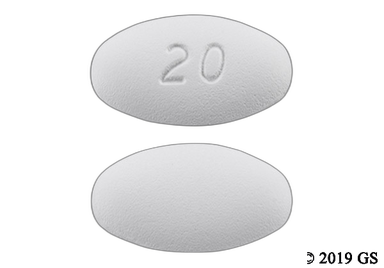
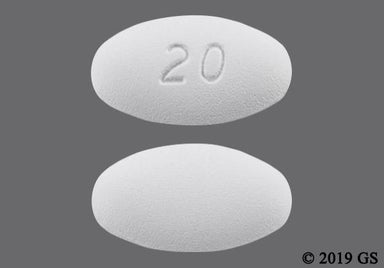
Tadalafil (Adcirca) is a phosphodiesterase 5 (PDE-5) blocker. It's used to improve exercise ability in adults who have high blood pressure in the lungs, also known as pulmonary arterial hypertension (PAH). It's taken by mouth once daily. Tadalafil for PAH is available as tablets (Adcirca, Alyq) and an oral suspension (Tadliq). Side effects of tadalafil (Adcirca) are typically mild and temporary, and can include headache and muscle pain.

Tadalafil (Adcirca) is a phosphodiesterase 5 (PDE-5) blocker that relaxes blood vessels in the lungs. This allows blood to flow better and lowers blood pressure in the lungs. As a result, your heart is able to pump better and bring more oxygen to your body. This can help you breathe and exercise more easily.
| Common Brands | Adcirca, Alyq, Tadliq |
|---|---|
| Drug Class | PDE-5 inhibitor |
| Controlled Substance Classification | Not a controlled medication |
| Generic Status | Lower-cost generic available |
| Availability | Prescription only |

The following side effects may get better over time as your body gets used to the medication. Let your healthcare provider know immediately if you continue to experience these symptoms or if they worsen over time.
Contact your healthcare provider immediately if you experience any of the following.
Along with its needed effects, a medicine may cause some unwanted effects. Although not all of these side effects may occur, if they do occur they may need medical attention.
Check with your doctor immediately if any of the following side effects occur:
Less common
Arm, back, or jaw pain
blurred vision
chest pain, discomfort, tightness, or heaviness
chills
cold sweats
confusion
dizziness
fainting
faintness or lightheadedness when getting up suddenly from a lying or sitting position
fast or irregular heartbeat
headache
hearing loss
increased erection
nervousness
pain or discomfort in the arms, jaw, back, or neck
pounding in the ears
slow or fast heartbeat
spontaneous penile erection
sweating
unusual tiredness or weakness
vomiting
Rare
Painful or prolonged erection of the penis
Incidence not known
Blindness
blistering, peeling, or loosening of the skin
cracks in the skin
decrease or change in vision
difficulty with speaking
double vision
fast, irregular, pounding, or racing heartbeat or pulse
headache, severe and throbbing
hives or welts, itching, skin rash
inability to move the arms, legs, or facial muscles
inability to speak
joint or muscle pain
loss of heat from the body
numbness or tingling of the face, hands, or feet
red skin lesions, often with a purple center
red, irritated eyes
red, swollen skin
redness of the skin
redness or soreness of the eyes
slow speech
sores, ulcers, or white spots in the mouth or on the lips
stomach pain
sudden cardiac death
swelling of the feet or lower legs
Some side effects may occur that usually do not need medical attention. These side effects may go away during treatment as your body adjusts to the medicine. Also, your health care professional may be able to tell you about ways to prevent or reduce some of these side effects. Check with your health care professional if any of the following side effects continue or are bothersome or if you have any questions about them:
Less common
Bloody nose
body aches or pain
burning, crawling, itching, numbness, prickling, "pins and needles", or tingling feelings
burning, dry, or itching eyes
burning feeling in the chest or stomach
congestion
difficulty with moving
difficulty with swallowing
dryness or soreness of the throat
excessive eye discharge
feeling of constant movement of self or surroundings
feeling of warmth, redness of the face, neck, arms and occasionally, upper chest
hoarseness
lack or loss of strength
loose stools
muscle aching, cramping, or stiffness
neck pain
pain in the arms or legs
pain or burning in the throat
redness, pain, swelling of the eye, eyelid, or inner lining of the eyelid
reduced sensitivity to touch
runny or stuffy nose
sensation of spinning
sleepiness or unusual drowsiness
stomach upset
swelling of the eyelids
swelling or puffiness of the eyes or face
swollen joints
tearing
tender, swollen glands in the neck
tenderness in the stomach area
trouble with sleeping
upper stomach pain
voice changes
watering of the eyes
Rare
Changes in color vision
Other side effects not listed may also occur in some patients. If you notice any other effects, check with your healthcare professional.
Call your doctor for medical advice about side effects. You may report side effects to the FDA at 1-800-FDA-1088.




Tadalafil (Adcirca) can cause some serious health issues. This risk may be even higher for certain groups. If this worries you, talk to your doctor or pharmacist about other options.
Tadalafil (Adcirca) can cause temporary drops in blood pressure, especially in people with certain heart conditions or in people already taking blood pressure medications. This can make you feel dizzy and raise the risk for falls. Be very careful getting up from a sitting or lying down position. It's not recommended to take tadalafil (Adcirca) within 48 hours of taking nitrates for chest pain, as this can cause a dangerous drop in your blood pressure. Drinking alcohol can also cause low blood pressure, so avoid drinking alcohol when taking tadalafil (Adcirca). Let your prescriber know if you continue to feel dizzy or lightheaded after your dose.
Although rare, there have been reports of males experiencing an erection lasting more than 4 hours (priapism) while taking PDE-5 inhibitors, like tadalafil (Adcirca). This can cause permanent damage to the penis if not treated in time. Get medical help right away if you have an erection that lasts longer than 4 hours or if you feel pain during an erection.
If you suddenly notice changes in your vision, go to the emergency room or call your prescriber right away. Although rare, PDE-5 inhibitors can cause permanent eye damage. If your ophthalmologist has told you that you have a "crowded" optic disc, you might be at higher risk for vision changes with tadalafil (Adcirca). Tell your prescriber about your full medical history before taking tadalafil (Adcirca).
Some people who took tadalafil reported experiencing hearing loss; it sometimes happens along with ringing in the ears (tinnitus) and dizziness. Go to the emergency room or call your prescriber right away if you notice changes in your hearing in one or both ears.
Tadalafil is also marketed as tadalafil (Cialis). Don't take tadalafil (Adcirca) with other PDE-5 inhibitors as this can cause unsafe drops in blood pressure and a higher risk of side effects. Other PDE-5 inhibitors include: sildenafil (Viagra), vardenafil (Levitra), and avanafil (Stendra).
Tadalafil (Adcirca) isn't recommended if you have pulmonary vascular occlusive disease (PVOD). This is a rare condition that affects the blood flow between your lungs and heart. Tadalafil (Adcirca) hasn't been studied in people with PVOD, but it might make this condition worse. If you feel extreme tiredness or trouble catching your breath, get medical help right away.

 Tablet
| Dosage | Quantity | Price as low as | Price per unit |
|---|---|---|---|
| 20mg | 30 tablets | $17.99 | $0.60 |
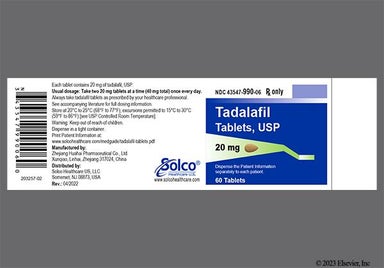
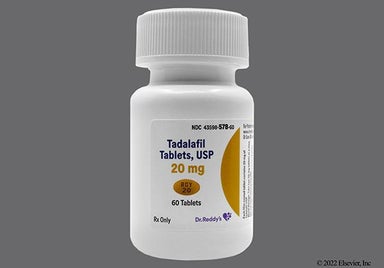
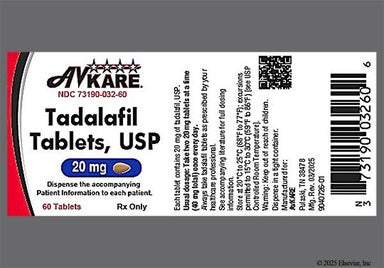
Tadalafil tablet (Adcirca, Alyq):
Tadliq (tadalafil) oral suspension: Each 5 mL (teaspoonful) of suspension contains 20 mg of tadalafil.
Your dose might be different if you have kidney or liver problems.

Although certain medicines should not be used together at all, in other cases two different medicines may be used together even if an interaction might occur. In these cases, your doctor may want to change the dose, or other precautions may be necessary. When you are taking this medicine, it is especially important that your healthcare professional know if you are taking any of the medicines listed below. The following interactions have been selected on the basis of their potential significance and are not necessarily all-inclusive.
Using this medicine with any of the following medicines is not recommended. Your doctor may decide not to treat you with this medication or change some of the other medicines you take.
Using this medicine with any of the following medicines is usually not recommended, but may be required in some cases. If both medicines are prescribed together, your doctor may change the dose or how often you use one or both of the medicines.
Using this medicine with any of the following medicines may cause an increased risk of certain side effects, but using both drugs may be the best treatment for you. If both medicines are prescribed together, your doctor may change the dose or how often you use one or both of the medicines.


Contraindications are specific health conditions or situations in which a person should not take a medication due to safety concerns. If you have any of the following conditions or if any of the following apply to you, let your healthcare provider know because Tadalafil (Adcirca) will not be safe for you to take.







Prescription savings
Stop paying too much for your prescriptions. Compare prices, get pharmacy coupons, and save up to 80%.Resources
About GoodRx
 Find expert answers to your health questions so you can make the best decisions for yourself and your family.
Health conditions
Medications & treatment
Access & affordability
Well-being
Medication discounts

Adcirca might cause a very small drop in blood pressure. But this is temporary and you're not likely to have any noticeable symptoms. But you will experience a larger drop in blood pressure if you're also taking other medications that have the same effect, such as metoprolol (Lopressor), doxazosin (Cardura), or tamsulosin (Flomax). Your prescriber will ask you to check your blood pressure more often when you first start Adcirca. If your blood pressure drops too low, you might notice symptoms like dizziness, blurry vision, or weakness. Let your healthcare team know if you have these side effects because they might need to make changes to your medication.
It's best to avoid drinking alcohol when you're taking Adcirca. This combination can cause your blood pressure to drop too low, which can lead to side effects like dizziness and lightheadedness. Talk with you healthcare team if you have more questions about Adcirca and alcohol.
No, you shouldn't take Adcirca for erectile dysfunction (ED). This medication is only FDA-approved for pulmonary arterial hypertension (PAH). While tadalafil is also the active ingredient in Cialis, which is approved to treat ED, the two formulations are prescribed for different conditions and at different doses. Typically, your healthcare team won't prescribe more than one form of tadalafil at a time. Taking multiple PDE-5 inhibitors at the same time can raise the risk of serious side effects, including dangerously low blood pressure and vision loss. If you have ED, talk with your healthcare team. They can talk with you about appropriate treatment options.
Both medications contain tadalafil as the active ingredient, but they're FDA-approved to treat different health conditions. Cialis is approved for erectile dysfunction (ED) and benign prostatic hyperplasia (BPH), whereas Adcirca is approved to treat PAH. The dosages of tadalafil for these conditions are different, so it’s important to take tadalafil only as prescribed by your healthcare team. Taking it differently than prescribed can raise the risk of serious side effects.
Adcirca is generally safe when you take it as prescribed by your healthcare team. It can cause some side effects, like headache or muscle pain, but these are typically mild and go away with time. In clinical studies, very few people stopped taking Adcirca because of side effects. However, like with other PDE-5 inhibitors, Adcirca can cause some rare but serious side effects, including vision or hearing loss. Talk with your healthcare team right away if you notice changes in your vision, ringing in your ears, or dizziness.
Adcirca treats PAH by improving your ability to exercise. At the end of a 4-month long clinical trial, people who took Adcirca were able to walk a longer distance in 6 minutes compared with people who took placebo. Talk with your pulmonologist or HCP if you have questions about how Adcirca can help treat your PAH.
Adcirca, Alyq, and Tadliq are all brand name medications that contain tadalafil for treating PAH. Adcirca and Alyq are tablets (Alyq is the FDA-approved generic version of Adcirca) and Tadliq is a liquid oral suspension. The liquid suspension might be a better option for people who have trouble swallowing pills. Talk with your healthcare team if you have more questions about tadalafil for PAH.
