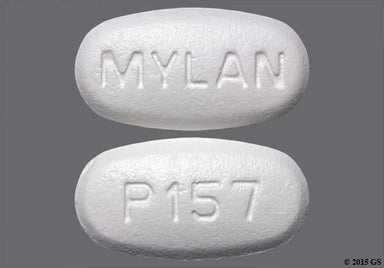
pioglitazone / metformin
Actoplus Met (pioglitazone / metformin) is a combination diabetes medication. It's used together with nutritious meal planning and exercise to reduce blood sugar in adults with Type 2 diabetes. The two active ingredients, pioglitazone (a thiazolidinedione) and metformin (a biguanide), work by improving your body's ability to use insulin and by lowering the amount of sugar your body makes. Side effects like diarrhea and headache are possible. The labeling also includes a warning for lactic acidosis. This medication is available under the brand name Actoplus Met and as a lower-cost generic.


What is Actoplus Met (pioglitazone / metformin)?
What is Actoplus Met (pioglitazone / metformin) used for?
How Actoplus Met (pioglitazone / metformin) works
Actoplus Met (pioglitazone / metformin) is made up of two types of diabetes medications that work together to help lower blood sugar.
- Pioglitazone is a thiazolidinedione. It's also known as a "glitazone" or "TZD" for short. Pioglitazone helps your body use insulin better to lower your blood sugar.
- Metformin is a biguanide. It works by lowering the amount of sugar your body makes and absorbs. Metformin also helps you use your body's natural insulin better.
Drug facts
| Common Brands | Actoplus Met |
|---|---|
| Drug Class | Thiazolidinedione / Biguanide |
| Controlled Substance Classification | Not a controlled medication |
| Generic Status | Lower-cost generic available |
| Availability | Prescription only |

Side effects of Actoplus Met (pioglitazone / metformin)
The following side effects may get better over time as your body gets used to the medication. Let your healthcare provider know immediately if you continue to experience these symptoms or if they worsen over time.
Common Side Effects
- Diarrhea (9%)
- Headache (6%)
Less Common Side Effects
- Swelling
- Weight gain
- Upper respiratory tract infection
Actoplus Met (pioglitazone / metformin) serious side effects
Contact your healthcare provider immediately if you experience any of the following.
- Heart failure: shortness of breath, tiredness, unusual swelling, sudden weight gain
- Lactic acidosis: fast breathing, shortness of breath, fast or slow heartbeat, heartbeat that doesn't feel normal, very upset stomach, vomiting, sleepiness, tiredness, feeling cold, muscle pain
- Bladder problems: pain while you urinate, constant need to urinate, blood in your urine
- Liver problems: nausea, vomiting, stomach pain, loss of appetite, unusual tiredness, dark urine, yellowing of your skin or the whites of your eyes
- Eye problem called macular edema: blurry vision, changes in vision
The following Actoplus Met (pioglitazone / metformin) side effects have also been reported
Along with its needed effects, a medicine may cause some unwanted effects. Although not all of these side effects may occur, if they do occur they may need medical attention.
Check with your doctor immediately if any of the following side effects occur:
More common
Bladder pain
bloody or cloudy urine
difficult, burning, or painful urination
frequent urge to urinate
lower back or side pain
swelling of the face, fingers, feet, or lower legs
Less common
Pain or swelling in the arms or legs without any injury
pale skin
troubled breathing with exertion
unusual bleeding or bruising
unusual tiredness or weakness
Rare
blurred vision
chills
cold sweats
confusion
cool, pale skin
decreased appetite
dizziness
fast heartbeat
fast, shallow breathing
general feeling of discomfort
headache
increased hunger
loss of consciousness
muscle pain or cramping
nightmares
seizures
shakiness
sleepiness
slurred speech
stomach discomfort
Some side effects may occur that usually do not need medical attention. These side effects may go away during treatment as your body adjusts to the medicine. Also, your health care professional may be able to tell you about ways to prevent or reduce some of these side effects. Check with your health care professional if any of the following side effects continue or are bothersome or if you have any questions about them:
Other side effects not listed may also occur in some patients. If you notice any other effects, check with your healthcare professional.
Call your doctor for medical advice about side effects. You may report side effects to the FDA at 1-800-FDA-1088.

Pros and cons of Actoplus Met (pioglitazone / metformin)
Pros
- Can improve blood sugar levels more than pioglitazone (Actos) or metformin alone
- Combines two medications into one pill for convenience
- Available as a lower-cost generic
Cons
- Can cause stomach upset, swelling, and weight gain
- Can take a few months to see the full effects of the medication on your blood sugar levels
- Not approved for treating Type 1 diabetes

Pharmacist tips for Actoplus Met (pioglitazone / metformin)

- Upset stomach is a common side effect of Actoplus Met (pioglitazone / metformin). You can take the tablets with meals to lower your chance of having an upset stomach from the medication.
- To get the best results from Actoplus Met (pioglitazone / metformin), make sure to follow a nutritious and balanced meal plan and an exercise routine in addition to taking the medication. Ask your care team for more resources on meal planning and exercises that best fits your needs.
- It can take a few months to see the full effects of Actoplus Met (pioglitazone / metformin) on your blood sugar levels. Continue taking the medication every day as prescribed. Check your blood sugar levels regularly and keep a log of your readings. Share your log with your prescriber at your follow-up visits and discuss with them about your progress.
- Avoid drinking large amounts of alcohol while you're taking Actoplus Met (pioglitazone / metformin). Too much alcohol or long-term alcohol use can put you at risk for a life-threatening side effect called lactic acidosis.
- Let your prescriber know if you have any procedures planned, including any imaging that requires contrast dye. You might need to stop taking Actoplus Met (pioglitazone / metformin) around the time of your procedure to lower your risk for lactic acidosis. Your prescriber will tell you when you can restart the medication.
- Share an up-to-date list of all the medications you take with your prescriber and pharmacist. They can check for drug interactions to make sure your medications are safe to take together. For example, medications that can affect blood sugar levels can either make Actoplus Met (pioglitazone / metformin) work less well or put you at risk for low blood sugar.
- If you miss a dose of Actoplus Met (pioglitazone / metformin), don't double up the next dose to make up for it. This could lead to dangerous side effects.

Risks and warnings for Actoplus Met (pioglitazone / metformin)
Actoplus Met (pioglitazone / metformin) can cause some serious health issues. This risk may be even higher for certain groups. If this worries you, talk to your doctor or pharmacist about other options.
Fluid build-up and risk for heart failure
- Risk factors: Swelling (edema) | History of heart failure | At risk for heart failure
 Actoplus Met (pioglitazone / metformin) can make you hold onto fluids in the body, which can look like swelling (especially in the legs, ankles, and feet). This fluid buildup can lead to or worsen heart failure. Talk to your prescriber right away if you experience sudden weight gain, swelling, or trouble breathing while you're taking this medication. These can be signs of heart failure.
Lactic acidosis
- Risk factors: Age 65 or greater \ Kidney or liver problems | Heart problems | Heavy alcohol use | Imaging procedure that uses contrast dye | Recent or planned surgery or medical procedures | Taking medications that affect your kidneys, heart, or acid-base balance | Taking medications that cause metformin to build up in your body
Although rare, some people who've taken medications containing metformin, such as Actoplus Met (pioglitazone / metformin), developed a condition called lactic acidosis. This condition happens when there's too much lactic acid in the blood, and it can lead to other health problems that can be deadly.
 Call your prescriber or get medical help right away if you notice that you're having breathing problems (short of breath or breathing too fast) or that you have an irregular heartbeat (too fast or too slow). Other signs of having too much lactic acid in the blood to look out for and to tell your care team about include upset stomach, vomiting, sleepiness, weakness, feeling cold, and muscle pain.
Low blood sugar
- Risk factors: Taking certain other diabetes medications
It's possible for Actoplus Met (pioglitazone / metformin) to lower your blood sugar. Taking Actoplus Met (pioglitazone / metformin) with insulin, glipizide, or other sulfonylureas can put you at greater risk for having low blood sugar (hypoglycemia). Be sure your prescriber know about the other diabetes medications you're taking. They might need to lower the dose of your other diabetes medications to minimize the risk for low blood sugar.
Be sure you and your loved ones know how to recognize and treat low blood sugar because it can be life-threatening if it's severe. Signs of low blood sugar include fast heartbeat, sweating, pale skin, shakiness, confusion and irritability. Have some form of sugar, such as hard candies or glucose tablets, with you at all times so you can get your blood sugar back up quickly in case it drops too low.
Liver damage
- Risk factors: History of liver problems
Some people who took pioglitazone, one of the components of Actoplus Met, have had liver damage. But it's not clear what caused this liver damage. As a precaution, your prescriber will check your liver function through blood tests before you start Actoplus Met (pioglitazone / metformin). Be aware of signs of liver damage and contact your prescriber if they appear. These signs include loss of appetite, pain in your right upper stomach area, tiredness, dark urine, and yellowing of your skin or eyes. You'll probably need to get a blood test done so your prescriber can decide whether you should continue taking the medication.
Risk for bladder cancer
- Risk factors: Currently have or have had bladder cancer
Results from various studies are mixed about whether pioglitazone, a component of Actoplus Met, can raise the risk for bladder cancer. There's not enough information to know whether the medication directly causes the cancer. Speak with your prescriber if you're concerned about this risk. Actoplus Met (pioglitazone / metformin) isn't a good option for people who currently have bladder cancer. Discuss with your prescriber about the risks and benefits of taking this medication if you've had bladder cancer in the past.
Broken bones (fractures)
- Risk factors: Females
Studies show that pioglitazone, one of the components of Actoplus Met, can raise the risk of breaking a bone, especially for females. Talk to your prescriber about how to keep your bones healthy and strong while you're taking Actoplus Met (pioglitazone / metformin).
Eye problems
Some people who've taken pioglitazone, a component of Actoplus Met, have developed swelling in their eye (macular edema). Tell your prescriber or eye specialist right away if you notice blurry vision or vision that's less sharp than usual while you're taking Actoplus Met (pioglitazone / metformin). Make sure to go to all of your recommended eye exams on time.
Low vitamin B12 levels
- Risk factors: Long-term use of Actoplus Met (pioglitazone / metformin) | Poor calcium or vitamin B12 absorption
Taking Actoplus Met (pioglitazone / metformin) for a long period of time can lower your vitamin B12 levels. Low vitamin B12 levels can sometimes lead to anemia (low red blood cell count). You might need to get blood tests done every few years so your prescriber can check your vitamin B12 levels throughout treatment. Let your prescriber know if you have low energy, dizziness, low appetite, or tingling or numbness in your hands or feet while you're taking Actoplus Met (pioglitazone / metformin). These can be symptoms of low vitamin B12 levels.

Actoplus Met (pioglitazone / metformin) dosage


Interactions between Actoplus Met (pioglitazone / metformin) and other drugs
Although certain medicines should not be used together at all, in other cases two different medicines may be used together even if an interaction might occur. In these cases, your doctor may want to change the dose, or other precautions may be necessary. When you are taking this medicine, it is especially important that your healthcare professional know if you are taking any of the medicines listed below. The following interactions have been selected on the basis of their potential significance and are not necessarily all-inclusive.
Using this medicine with any of the following medicines is not recommended. Your doctor may decide not to treat you with this medication or change some of the other medicines you take.
- Acetrizoic Acid
- Diatrizoate
- Ethiodized Oil
- Iobenzamic Acid
- Iobitridol
- Iocarmic Acid
- Iocetamic Acid
- Iodamide
- Iodipamide
- Iodixanol
- Iodohippuric Acid
- Iodopyracet
- Iodoxamic Acid
- Ioglicic Acid
- Ioglycamic Acid
- Iohexol
- Iomeprol
- Iopamidol
- Iopanoic Acid
- Iopentol
- Iophendylate
- Iopromide
- Iopronic Acid
- Ioseric Acid
- Iosimide
- Iotasul
- Iothalamate
- Iotrolan
- Iotroxic Acid
- Ioxaglate
- Ioxitalamic Acid
- Ipodate
- Metrizamide
- Metrizoic Acid
- Tyropanoate Sodium
Using this medicine with any of the following medicines is usually not recommended, but may be required in some cases. If both medicines are prescribed together, your doctor may change the dose or how often you use one or both of the medicines.
- Acarbose
- Aspirin
- Balofloxacin
- Besifloxacin
- Bupropion
- Capmatinib
- Chloroquine
- Chlorpropamide
- Ciprofloxacin
- Dasabuvir
- Dofetilide
- Dolutegravir
- Enoxacin
- Fleroxacin
- Flumequine
- Gatifloxacin
- Gemifloxacin
- Glimepiride
- Glipizide
- Glyburide
- Hydroxychloroquine
- Ifosfamide
- Insulin
- Insulin Aspart, Recombinant
- Insulin Bovine
- Insulin Degludec
- Insulin Detemir
- Insulin Glargine, Recombinant
- Insulin Glulisine
- Insulin Lispro, Recombinant
- Ioversol
- Lanreotide
- Levofloxacin
- Lomefloxacin
- Lumateperone
- Metformin
- Moxifloxacin
- Nadifloxacin
- Nateglinide
- Nifedipine
- Norfloxacin
- Octreotide
- Ofloxacin
- Ombitasvir
- Paritaprevir
- Pasireotide
- Pazufloxacin
- Pefloxacin
- Pioglitazone
- Piperaquine
- Pixantrone
- Prulifloxacin
- Repaglinide
- Ritonavir
- Rufloxacin
- Sitagliptin
- Sparfloxacin
- Tafenoquine
- Thioctic Acid
- Tolazamide
- Tolbutamide
- Tolvaptan
- Tosufloxacin
- Vandetanib
Using this medicine with any of the following medicines may cause an increased risk of certain side effects, but using both drugs may be the best treatment for you. If both medicines are prescribed together, your doctor may change the dose or how often you use one or both of the medicines.
- Acebutolol
- Atenolol
- Atorvastatin
- Betaxolol
- Bisoprolol
- Bitter Melon
- Carteolol
- Carvedilol
- Celiprolol
- Clopidogrel
- Colesevelam
- Esmolol
- Fenugreek
- Furazolidone
- Glucomannan
- Guar Gum
- Iproniazid
- Isocarboxazid
- Ketoconazole
- Labetalol
- Levobunolol
- Linezolid
- Methylene Blue
- Metipranolol
- Metoprolol
- Moclobemide
- Nadolol
- Nebivolol
- Nialamide
- Nilotinib
- Oxprenolol
- Patiromer
- Penbutolol
- Phenelzine
- Pindolol
- Practolol
- Procarbazine
- Propranolol
- Psyllium
- Ranolazine
- Rasagiline
- Rifampin
- Safinamide
- Selegiline
- Sotalol
- Timolol
- Topiramate
- Tranylcypromine
- Verapamil

How much does Actoplus Met (pioglitazone / metformin) cost?

Actoplus Met (pioglitazone / metformin) contraindications
Contraindications are specific health conditions or situations in which a person should not take a medication due to safety concerns. If you have any of the following conditions or if any of the following apply to you, let your healthcare provider know because Actoplus Met (pioglitazone / metformin) will not be safe for you to take.
- Certain types of heart failure
- Severe kidney problems
- Metabolic acidosis (too much acid in the blood), including diabetic ketoacidosis

What are alternatives to Actoplus Met (pioglitazone / metformin)?

Actoplus Met (pioglitazone / metformin) images