Key takeaways:
You should store Zepbound (tirzepatide) in the fridge between 36°F and 46°F. Be sure to keep the pens or vials in their original box to protect them from light. Don’t freeze Zepbound or use pens or vials that have been frozen (even if they thaw out).
You can store Zepbound single-dose pens or vials unrefrigerated (up to 86°F) for no more than 21 days. You can store multiple-dose Zepbound KwikPens unrefrigerated for up to 30 days.
Avoid exposing Zepbound to extreme temperatures (above 86°F or below 36°F). This can cause the medication to break down and be less effective.
There are ways to save on Zepbound. If you’re eligible, a manufacturer savings card could help you get Zepbound for as little as $25 per prescription. Subscribers to GoodRx for Weight Loss can also access FDA-approved, brand-name GLP-1 medications like Zepbound.
Save on related medications
Zepbound (tirzepatide) is an injectable medication for weight loss and obstructive sleep apnea. It shares some similarities with other popular injectable weight-loss medications, such as Wegovy (semaglutide). But it’s unique in how it works to help you lose weight. And this has led to better results for many people.
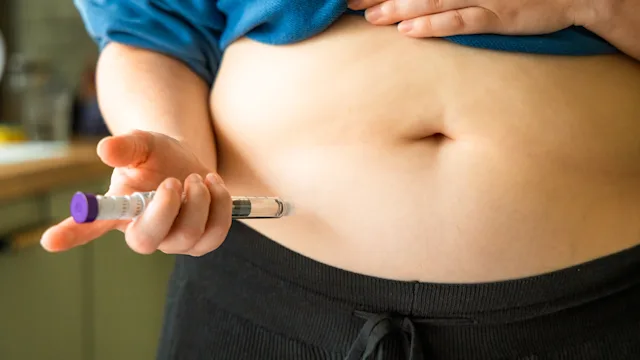
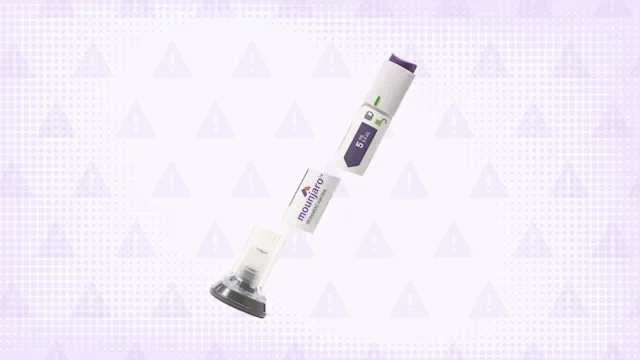
Zepbound is a once-weekly injection. It comes as pre-filled pens and single-use vials in a range of doses. Each carton of Zepbound single-dose pens contains four injectors. Each package of Zepbound KwikPens contains one mutliple-dose pen that has four doses in it. And each Zepbound vial package contains one vial.
If you’re currently taking Zepbound, you likely know that storing it in the fridge is ideal. But what happens if you accidentally leave it out of the fridge? And how should you store Zepbound while traveling?
Below, you’ll find six tips for storing and traveling with Zepbound. That way, you can be prepared if you run into unexpected situations.
1. You should refrigerate Zepbound until it’s time to use it
It’s ideal to store Zepbound in the fridge between 36°F and 46°F. And it’s a good idea to place your carton in the middle of the fridge. Other items shouldn’t touch or be placed on top of the Zepbound box. This allows for good airflow, which is needed for adequate cooling.
Where you store Zepbound in the fridge is also important. Avoid storing Zepbound on the fridge door or in drawers (like produce or meat drawers). These areas tend to have less airflow and more temperature variations. To prevent freezing, don’t store Zepbound under the air vent in your fridge or next to the wall.
What happens if Zepbound is frozen?
You shouldn’t store Zepbound in the freezer. If your pens or vials become frozen by accident, don’t use them. Dispose of any frozen Zepbound even if the medication in them has thawed out. Zepbound may not be effective after freezing.

2. Zepbound can be kept at controlled room temperature for a few weeks
If you’ve left your carton out of the fridge, don’t worry. You can safely leave Zepbound single-dose pens and vials unrefrigerated for up to 21 days. And you can leave Zepbound KwikPens at room temperature for up to 30 days. But it should be kept in a temperature-controlled environment, meaning temperatures don’t go above 86°F.
You shouldn’t use Zepbound if it’s been left out of the fridge for longer than this. Once single-dose pens or vials come to room temperature, don’t put them back in the fridge.
If you’re unsure how long Zepbound has been out of the fridge, call your pharmacist. They can provide more specific guidance based on your situation. You can also contact Zepbound’s manufacturer, Eli Lilly, at 1-800-545-5979.
3. Protect Zepbound from light and heat
Another important tip on how to store Zepbound is to protect your pens or vials from excessive light and heat. Both can cause the medication to break down faster than expected.
Keep Zepbound in its original box to protect it from light. If the medication was not stored in its original box, it was likely exposed to light. It’s a good idea to dispose of it in this case and use a pen or vial that’s been kept in the box.
As mentioned above, you should avoid storing Zepbound in areas that reach temperatures above 86°F. For example, you shouldn’t keep your box near a stove or in your bathroom. If you know the medication was exposed to high temperatures, throw it away.
If you’re unsure whether Zepbound was exposed to light or heat, don’t use it. Contact the pharmacy that filled your prescription or the manufacturer. They can help you determine if it’s still safe to use.
4. There are steps you should take if Zepbound was exposed to high temperatures
What happens if you accidentally left Zepbound in your vehicle in the summer? Or your mail order pharmacy delivered your medication, but the package was outside in the heat?
As discussed above, you shouldn’t use Zepbound if it was exposed to temperatures above 86°F. But it’s not always easy to tell if an exposure definitely happened. You should carefully check your Zepbound pens or vials for signs of heat exposure.
Signs your medication was exposed to high temperatures
Some red flags that your medication may have been exposed to high temperature include:
Your Zepbound carton, pens, or vials feel warm.
Ice packs inside the mail order package are completely melted.
Your medication has an unusual odor or smell.
The medication in the vial, KwikPen's medication cartridge, or single-dose pen’s window is cloudy, discolored, or has particles floating in it. The liquid should be clear and colorless to slightly yellow.
Some mail order pharmacies provide a temperature tracker in their packages. These indicate if the box reached unsafe temperatures. If your pharmacy uses these trackers, be sure to check them as well.
If you know a high heat exposure happened during shipment, call your mail order pharmacy to discuss next steps. If you’re unsure about a potential exposure, your pharmacist or the manufacturer can help determine if your medication is still OK to use.
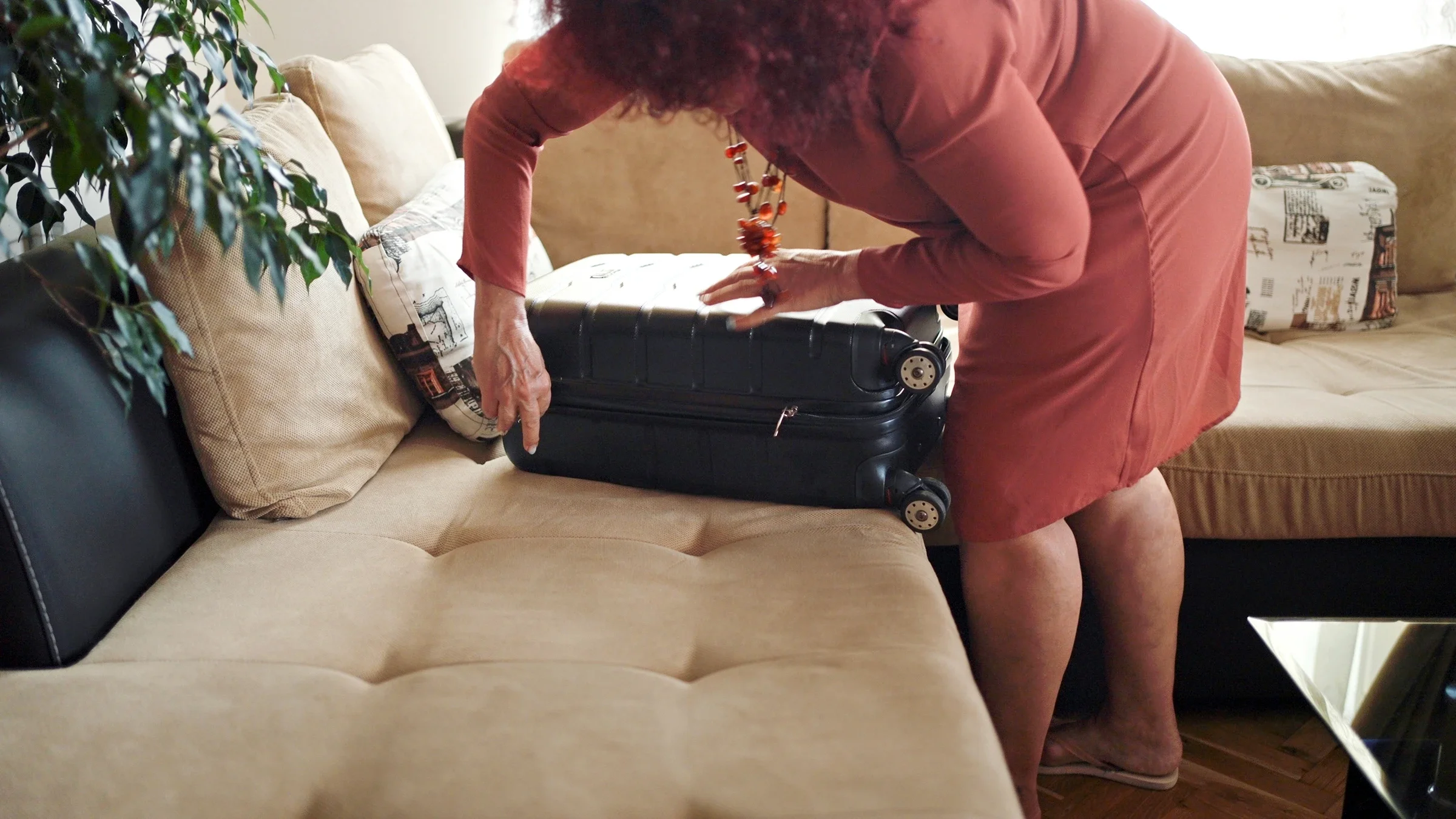
5. How to travel with Zepbound
While traveling, you should keep Zepbound in a temperature-controlled environment. If you’re traveling by motor vehicle, keep the medication in its original box within the vehicle’s main cabin. Avoid storing Zepbound in the trunk, glovebox, or door pockets.
Can you bring Zepbound on a plane?
Yes, you can bring Zepbound on a plane. Place Zepbound and its supplies, such as alcohol swabs and ice packs, in your carry-on bag. Just be sure the pens or vials are in their original box with the prescription label on it. You should avoid storing the medication in your checked bag. Luggage in the cargo area of planes can be exposed to extreme temperatures and changing air pressure. Zepbound pens or vials could also break if you put them with checked luggage.
Good to know: Every country has different laws about traveling with medications. If you’re traveling abroad, it’s a good idea to check with your destination airport about what rules you need to follow.
Storing Zepbound while at your destination
If your trip is for less than 21 days (or 30 days if you have Zepbound KwikPens), you can likely travel without ice packs and keep your pens or vials unrefrigerated. Just keep the temperature of your surroundings in mind. If the temperature of your destination may be above 86°F, you’ll want to travel with ice packs to protect Zepbound from heat. And when you arrive at your destination, place the medication in a fridge as soon as you can.
6. How to dispose of Zepbound
How to dispose of Zepbound depends on whether you have Zepbound single-dose pens, KwikPens, or vials.
Zepbound single-dose pens have a needle attached to the device. Because of this, you should dispose of it in a needle disposal container. FDA-cleared sharps containers are ideal to use. But you can also use a heavy-duty plastic container with a tight-fitting lid. An empty laundry detergent bottle would be an acceptable sharps container alternative.
Zepbound KwikPens don't come with a needle already attached. So you'll need to purchase pen needles separately. Used pen needles should be discarded in a needle disposal container. The KwikPens (without a needle) can be thrown in your regular trash or in a needle disposal container (whichever you prefer).
Zepbound vials can be thrown away in your normal trash. But the syringes you use to inject the medication should be discarded in a needle disposal container.
How to save on Zepbound
There are ways to save on Zepbound, which is available as a brand-name medication. If you have commercial insurance, you may be eligible to pay as little as $25 per prescription through the manufacturer’s copay savings program.
If your plan doesn’t cover Zepbound, you may still be able to save with the copay card, but prices vary by formulation. Lower-cost single-dose vials and KwikPens are available through LillyDirect for $299 (2.5 mg), $399 (5 mg), and $449 (7.5 mg, 10 mg, 12.5 mg, and 15 mg) per month. You can also access Zepbound KwikPen through GoodRx starting at $299 per month.
What's more, subscribers to GoodRx for Weight Loss can access FDA-approved, brand-name GLP-1 medications like Zepbound.
Frequently asked questions
A single-dose vial of Zepbound contains one dose of medication. Once it’s open, you shouldn’t save medication for later (even if there’s liquid left in the vial after injecting). Unopened, Zepbound vials should last until the manufacturer's expiration date as long as it’s kept in the fridge between 36°F and 46°F. Always check the expiration date on your package before injecting it.
You can inject Zepbound at any time of day, once a week. Just make sure you inject on the same day each week. If you miss or need to change your injection day, contact your pharmacist or prescriber. They can help you adjust your schedule or get back on track.
If you forget to refrigerate Zepbound, don’t fret. Zepbound single-dose pens and vials can be stored in their original boxes at room temperature (up to 86°F) for up to 21 days. And Zepbound KwikPens can be kept in their original packages at room temperature for up to 30 days.
A single-dose vial of Zepbound contains one dose of medication. Once it’s open, you shouldn’t save medication for later (even if there’s liquid left in the vial after injecting). Unopened, Zepbound vials should last until the manufacturer's expiration date as long as it’s kept in the fridge between 36°F and 46°F. Always check the expiration date on your package before injecting it.
You can inject Zepbound at any time of day, once a week. Just make sure you inject on the same day each week. If you miss or need to change your injection day, contact your pharmacist or prescriber. They can help you adjust your schedule or get back on track.
If you forget to refrigerate Zepbound, don’t fret. Zepbound single-dose pens and vials can be stored in their original boxes at room temperature (up to 86°F) for up to 21 days. And Zepbound KwikPens can be kept in their original packages at room temperature for up to 30 days.
The bottom line
Knowing how to store Zepbound (tirzepatide) is essential when it comes to using the medication safely. It’s ideal to store Zepbound pens or vials in the fridge between 36°F and 46°F. But if needed or preferred, single-dose pens and vials can be kept unrefrigerated (up to 86°F) for up to 21 days. And multiple-dose pens (Zepbound KwikPens) can be stored at room temperature for up to 30 days. Either way, make sure the pens or vials stay in their original carton to protect them from light.
Don’t freeze Zepbound or use pens or vials that have been frozen. You should also protect Zepbound from excessive heat. If you’re going on vacation, keep your pens or vials in a temperature-controlled environment. Avoid storing Zepbound in places like a vehicle trunk or with checked luggage on a plane.

Why trust our experts?



References
Eli Lilly and Company. (2026). Zepbound- tirzepatide injection, solution [package insert].
Transportation Security Administration. (n.d.). Disabilities and medical conditions. U.S. Department of Homeland Security.
U.S. Food and Drug Administration. (2021). Sharps disposal containers.