



Zoloft for Depression: Important Things to Know Before Taking This Antidepressant
Zoloft is a popular antidepressant, but it’s important to know its potential side effects. Here's what side effects to expect during your first week and beyond.
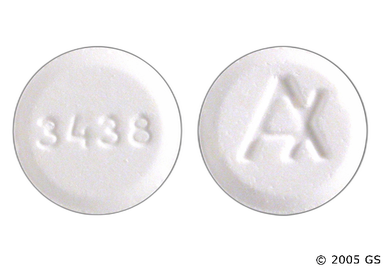
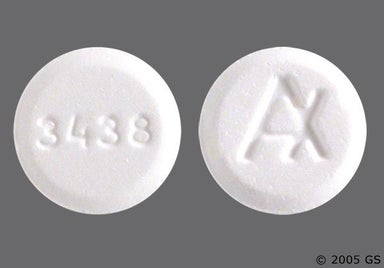
Selegiline helps relieve symptoms of Parkinson's disease in people who have "off" episodes as their carbidopa/levodopa medication starts to wear off. Selegiline is a type of monoamine oxidase inhibitor (MAOI), which is a drug class that has many drug interactions. Generic selegiline tablets and capsules are taken twice per day; the brand name for the pills, Eldepryl, is no longer available. Selegiline also comes as orally disintegrating tablets (ODTs) under the brand name Zelapar that are dissolved on the tongue once per day. Side effects include changes in blood pressure, nausea, and dizziness.

Selegiline is a monoamine oxidase type B (MAO-B) inhibitor. MAO-B is the main protein that breaks down dopamine in the brain. Low levels of dopamine lead to symptoms like movement (motor) problems in people with Parkinson's disease (PD).
By blocking MAO-B, selegiline keeps dopamine in the brain longer. This helps control the motor symptoms of PD. In particular, selegiline is taken to prevent motor symptoms from coming back when people's carbidopa/levodopa starts to wear off (a period of time that's also called an "off" episode).
| Common Brands | Zelapar |
|---|---|
| Drug Class | MAO-B inhibitor |
| Controlled Substance Classification | Not a controlled medication |
| Generic Status | Lower-cost generic available |
| Availability | Prescription only |

The following side effects may get better over time as your body gets used to the medication. Let your healthcare provider know immediately if you continue to experience these symptoms or if they worsen over time.
Selegiline tablets and capsules:
Zelapar (selegiline) ODTs:
Selegiline tablets and capsules:
Zelapar (selegine) ODTs:
Contact your healthcare provider immediately if you experience any of the following.
Along with its needed effects, a medicine may cause some unwanted effects. Although not all of these side effects may occur, if they do occur they may need medical attention.
Check with your doctor immediately if any of the following side effects occur:
More common
Twitching, twisting, uncontrolled repetitive movements of the tongue, lips, face, arms, or legs
Less common
Blurred vision
bruising
convulsions
decreased urine
difficult or labored breathing
difficulty with swallowing
discouragement
dizziness
feeling sad or empty
headache
increased thirst
irregular heartbeat
irritability
large, flat, blue or purplish patches in the skin
loss of appetite
loss of interest or pleasure
mood changes
muscle pain or cramps
nausea or vomiting
nervousness
numbness or tingling in the hands, feet, or lips
pounding in the ears
seeing, hearing, or feeling things that are not there
shakiness and unsteady walk
shakiness in the legs, arms, hands, or feet
sleepiness or unusual drowsiness
slow or fast heartbeat
swelling or inflammation of the mouth
tightness in the chest
tiredness
trouble concentrating
trouble sleeping
unsteadiness, trembling, or other problems with muscle control or coordination
unusual tiredness or weakness
Get emergency help immediately if any of the following symptoms of overdose occur:
Symptoms of overdose
Agitation
difficulty opening the mouth or lockjaw
dizziness (severe) or fainting
fast or irregular pulse (continuing)
high fever
high or low blood pressure
severe spasm where the head and heels are bent backward and the body arched forward
troubled breathing
Some side effects may occur that usually do not need medical attention. These side effects may go away during treatment as your body adjusts to the medicine. Also, your health care professional may be able to tell you about ways to prevent or reduce some of these side effects. Check with your health care professional if any of the following side effects continue or are bothersome or if you have any questions about them:
Less common
Acid or sour stomach
back pain
belching
bloated or full feeling
body aches or pain
congestion
difficulty having a bowel movement (stool)
difficulty with moving
dryness or soreness of the throat
excess air or gas in the stomach or intestines
hoarseness
indigestion
joint pain
leg cramps
muscle aching or cramping
muscle pains or stiffness
passing gas
stomach discomfort, upset, or pain
swollen joints
tender, swollen glands in the neck
tooth problems
voice changes
Other side effects not listed may also occur in some patients. If you notice any other effects, check with your healthcare professional.
Call your doctor for medical advice about side effects. You may report side effects to the FDA at 1-800-FDA-1088.



More tips for Zelapar (selegiline) ODT:

Selegiline can cause some serious health issues. This risk may be even higher for certain groups. If this worries you, talk to your doctor or pharmacist about other options.
Selegiline can cause or worsen high blood pressure, especially if you take more than 10 mg of the tablets or capsules per day, or 2.5 mg of the ODT per day. Make sure to take selegiline only as prescribed.
Although rare, people who've eaten tyramine-rich foods, like aged cheese, cured meats, soy sauce, and pickled or fermented food, while they're taking prescribed doses of selegiline have also had dangerously high blood pressure. This can cause severe headache, chest pain, confusion, blurred vision, and anxiety. Stop taking selegiline and call 911 right away if you have any symptoms of extremely high blood pressure. Let your prescriber know if you check your blood pressure regularly and it's consistently higher than usual.
Some people taking selegiline with other medications that raise your serotonin levels, such as antidepressants and certain mental health medications, have developed a rare, but potentially life-threatening condition called serotonin syndrome. Let your prescribers know about all your medications so they can make sure it's safe for you to take your medications together. Get medical help right away if you have any symptoms of serotonin syndrome, including fast heart rate, sweating, muscle stiffness or spasms, fever, and confusion.
People who take medications that raise dopamine levels, such as selegiline, have fallen asleep out of nowhere, even when they don't feel sleepy. The risk for these episodes of extreme sleepiness is higher if you're also taking other medications that can make you drowsy, such as benzodiazepines, muscle relaxants, and other sedatives.
Make sure you know how selegiline affects you before driving a car or doing activities that require your concentration. Avoid doing these things if you've fallen asleep without warning during treatment. Talk to your prescriber if you feel too sleepy from selegiline or have fallen asleep all of a sudden while you're taking the medication.
It's possible for selegiline to drop your blood pressure. In particular, your blood pressure can get low when you stand from a sitting or lying position. This can cause dizziness or a loss of balance, which can lead to falls. Make sure to get up slowly and hold onto something after sitting or lying down. Contact your prescriber if you've felt lightheaded, fainted, or experienced a fall while you're taking selegiline.
Selegiline can cause or worsen uncontrolled body movements, such as eye-twitching or lip-smacking. Talk to your prescriber right away if you experience any uncontrolled movements while you're taking this medication and you can't stop them. Your prescriber might adjust the dose of your medication(s) to help manage this side effect.
Some people who took selegiline had hallucinations (seeing or hearing things that aren't there). Some also felt distressed, confused, or paranoid or had violent behavior. It's generally not recommended for people with a history of mental health problems to take selegiline because the medication might worsen their condition. Contact your prescriber right away if you or your loved ones notice that you have any hallucinations or other unusual changes in behavior while you're taking selegiline.
Some people can have compulsive behavior, or intense urges and behaviors that are hard to control, while they're taking medications for Parkinson's disease like selegiline. These intense urges have included gambling, sexual urges, shopping, or excessive eating. Let your prescriber know if you or your loved ones notice that you have new urges or habits as you're taking selegiline. Your prescriber might need to adjust or stop your medication.
Let your healthcare team know if you have phenylketonuria (PKU), a genetic condition that makes your body have trouble breaking down phenylalanine.
Zelapar, the orally disintegrating tablet of selegiline contains phenylalanine. People with PKU should avoid taking Zelapar (selegiline) because it can be harmful for them. Ask your prescriber about options for PD treatment that might be safer for you.


Although certain medicines should not be used together at all, in other cases two different medicines may be used together even if an interaction might occur. In these cases, your doctor may want to change the dose, or other precautions may be necessary. When you are taking this medicine, it is especially important that your healthcare professional know if you are taking any of the medicines listed below. The following interactions have been selected on the basis of their potential significance and are not necessarily all-inclusive.
Using this medicine with any of the following medicines is not recommended. Your doctor may decide not to treat you with this medication or change some of the other medicines you take.
Using this medicine with any of the following medicines is usually not recommended, but may be required in some cases. If both medicines are prescribed together, your doctor may change the dose or how often you use one or both of the medicines.
Using this medicine with any of the following medicines may cause an increased risk of certain side effects, but using both drugs may be the best treatment for you. If both medicines are prescribed together, your doctor may change the dose or how often you use one or both of the medicines.


Contraindications are specific health conditions or situations in which a person should not take a medication due to safety concerns. If you have any of the following conditions or if any of the following apply to you, let your healthcare provider know because Selegiline will not be safe for you to take.












Prescription savings
Stop paying too much for your prescriptions. Compare prices, get pharmacy coupons, and save up to 80%. Find expert answers to your health questions so you can make the best decisions for yourself and your family.
Health conditions
Medications & treatment
Access & affordability
Medication discounts


Studies show that people who take Selegiline for Parkinson's disease generally have improvements within a few weeks of starting treatment. But it can take several months to see the full effects of the medication. Keep in mind that each person can have a different experience with treatment. Talk to your prescriber if you're concerned with how well or how quickly Selegiline is working for you.
No, Selegiline isn't considered a dopamine agonist. Instead, it's a type of monoamine oxidase inhibitor (MAOI). Both dopamine agonists and MAOIs help treat symptoms of Parkinson's disease by raising the activity of a chemical in the brain called dopamine. But they do so in different ways.
It depends on the dose. At low dosages, Selegiline works to help treat movement-related symptoms of Parkinson's disease, not improve mood. Selegiline tablets, capsules, and orally disintegrating tablets have low doses of the medication. So these forms of Selegiline aren't considered antidepressants. But at higher dosages, Selegiline works to improve mood and treat symptoms of depression. Selegiline patches found under the brand name Emsam deliver a higher dose of the medication than the oral forms and are used for depression. In this case, the Selegiline patches work as an antidepressant.
No, Selegiline isn't a stimulant; it's a type of monoamine oxidase inhibitor (MAOI). Stimulants and MAOIs are similar drug classes in that they both raise levels of chemicals, like dopamine, in the brain. But they're used to treat different conditions. Stimulants are typically used to treat ADHD and narcolepsy (extreme sleepiness and random sleep attacks during the day). But MAOIs are used to treat symptoms of Parkinson's disease and depression.
No. Selegiline isn't a controlled substance because it doesn't have a risk of addiction or dependence.
Both Selegiline and rasagiline (Azilect) are MAOIs that are quite similar to each other. They both help with Parkinson's disease (PD). In fact, studies suggest that both medications work just as well as each other for PD. Selegiline and rasagiline (Azilect) both come as oral pills that are swallowed. But Selegiline also comes as an orally disintegrating tablet (ODT) that dissolves on the tongue, which can be helpful for people who have trouble swallowing pills. In addition, the two medications have different drug interactions. Ask your prescriber if you have questions about comparing between the two medications.
