ethosuximide
Ethosuximide (Zarontin) is an antiepileptic medication that's used for treating absence seizures, also known as petit mal seizures. It works by calming down brain activity to lower the number of seizure attacks. This medication is FDA approved for people 3 years and older. It comes as a capsule and syrup under the brand name Zarontin and in lower-cost generic versions. Ethosuximide (Zarontin) is taken by mouth once a day or in smaller doses throughout the day. Some possible side effects include stomach upset, nausea, and dizziness.


What is Ethosuximide (Zarontin)?
What is Ethosuximide (Zarontin) used for?
- Absence seizures (also known as petit mal seizures)
How Ethosuximide (Zarontin) works
Ethosuximide (Zarontin) is an antiepileptic (anti-seizure) medication. It calms down brain activity that's linked to seizure attacks in people who have absence (petit mal) epilepsy.
Drug facts
| Common Brands | Zarontin |
|---|---|
| Drug Class | Antiepileptic |
| Controlled Substance Classification | Not a controlled medication |
| Generic Status | Lower-cost generic available |
| Availability | Prescription only |

Side effects of Ethosuximide (Zarontin)
The following side effects may get better over time as your body gets used to the medication. Let your healthcare provider know immediately if you continue to experience these symptoms or if they worsen over time.
Common Side Effects
- Poor appetite
- Stomach upset
- Nausea or vomiting
- Diarrhea
- Stomach cramps or stomach pain
- Drowsiness
- Tiredness
- Headache
- Dizziness
- Difficulty with walking, movement, or coordination
- Difficulty concentrating
- Weight loss
Less Common Side Effects
- Swelling of the gums or tongue
- Hiccups
- Feeling extreme happiness or "high"
- Feeling irritable
- Feeling very hyper
- Difficulty sleeping
- Nightmares
- Aggressiveness
- Hives or rashes
- Abnormal hair growth
- Difficulty seeing things that are far away (nearsightedness)
Ethosuximide (Zarontin) serious side effects
Contact your healthcare provider immediately if you experience any of the following.
- Low blood cell counts: getting sick more often, feeling weak or short of breath more than usual, easy bruising, bleeding gums or nose bleeds
- Allergic reaction: severe rash; hives; blisters; difficulty breathing; swelling of the face, mouth, or throat
- Suicidal thoughts or behavior
The following Ethosuximide (Zarontin) side effects have also been reported
Along with its needed effects, a medicine may cause some unwanted effects. Although not all of these side effects may occur, if they do occur they may need medical attention.
Check with your doctor immediately if any of the following side effects occur:
Rare
Changes in behavior
discouragement
feeling sad or empty
irritability
lack of appetite
loss of interest or pleasure
mood or mental changes
thoughts of killing oneself
tiredness
trouble with concentrating
trouble with sleeping
Incidence not known
Attack, assault, or force
blistering, peeling, or loosening of the skin
blood in the urine
bloody, black, or tarry stools
cough or hoarseness
enlarged gums
false or unusual sense of well-being
fever and chills
fever with or without chills
general feeling of discomfort or illness
general feeling of tiredness or weakness
headaches
high fever
joint or muscle pain
lower back or side pain
nervousness
not able to concentrate
painful or difficult urination
pale skin
red skin lesions, often with a purple center
red, irritated eyes
restlessness
shakiness and unsteady walk
sores, ulcers, or white spots on the lips or in the mouth
swelling around the eyes
swelling of the tongue
swollen, painful, or tender lymph glands in the neck, armpit, or groin
trouble sitting still
trouble with breathing
unexplained bleeding or bruising
unsteadiness, trembling, or other problems with muscle control or coordination
unusual bleeding or bruising
unusual tiredness or weakness
vaginal bleeding
vision changes
yellow eyes or skin
Get emergency help immediately if any of the following symptoms of overdose occur:
Symptoms of overdose
Change in consciousness
irregular, fast or slow, or shallow breathing
loss of consciousness
pale or blue lips, fingernails, or skin
Some side effects may occur that usually do not need medical attention. These side effects may go away during treatment as your body adjusts to the medicine. Also, your health care professional may be able to tell you about ways to prevent or reduce some of these side effects. Check with your health care professional if any of the following side effects continue or are bothersome or if you have any questions about them:
Rare
Increased in sexual ability, desire, drive, or performance
increased interest in sexual intercourse
Other side effects not listed may also occur in some patients. If you notice any other effects, check with your healthcare professional.
Call your doctor for medical advice about side effects. You may report side effects to the FDA at 1-800-FDA-1088.

Pros and cons of Ethosuximide (Zarontin)
Pros
- A first-choice treatment for absence seizures in children
- Available as a pill and a fruit-flavored liquid
- Available as a lower-cost generic
Cons
- Only treats absence seizures (must take other medications if you have a mixed seizure type)
- Requires regular blood tests to check your liver, kidney, and blood cell counts for your safety
- Might interact with some other antiepileptic medications

Pharmacist tips for Ethosuximide (Zarontin)

- Ethosuximide (Zarontin) can commonly cause stomach upset. Experts suggest taking the medication with food or after a meal to help lessen this side effect.
- Ethosuximide (Zarontin) can cause drowsiness, dizziness, and possibly problems with movement and coordination. Be careful driving or doing anything requiring concentration until you know how this medication affects you. Let your prescriber know if these side effects don't go away or if they get too bothersome.
- Don't drink alcohol while you're taking ethosuximide (Zarontin). Also, avoid taking other medications that can make you sleepy or tired. Otherwise, it can make side effects from the medication, like drowsiness, more intense and raise the risk for accidents to happen.
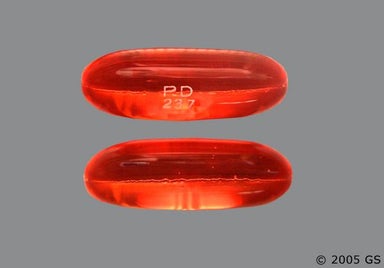
- The pill form of ethosuximide (Zarontin) is a liquid-filled gel capsule that you shouldn't break or crush. Ask your prescriber about switching to the liquid form of the medication if you or your child has difficulty swallowing pills.
- If you're taking the liquid form of ethosuximide (Zarontin), use the dose cup or oral syringe that your pharmacy provided to you to measure out and take the medication. Ask your pharmacist if you need extras. Don't use household kitchen or measuring spoons since they might not be accurate.
- Your prescriber will work with you to adjust your ethosuximide (Zarontin) dose slowly over several days. Raising the dose too quickly can cause more side effects, and lowering the dose too quickly can lead to seizures from medication withdrawal.
- Don't stop taking ethosuximide (Zarontin) without talking to your prescriber first. Stopping the medication suddenly can cause more seizures to happen since your epilepsy might not be completely controlled yet.
- Let your prescriber and pharmacist know if you're taking other antiepileptic medications — in particular, phenytoin (Dilantin), valproic acid, or divalproex (Depakote). Taking certain antiepileptic medications with ethosuximide (Zarontin) can affect the amount of medication in the body. These drug interactions can either cause more side effects or make your medication not work as well.

Risks and warnings for Ethosuximide (Zarontin)
Ethosuximide (Zarontin) can cause some serious health issues. This risk may be even higher for certain groups. If this worries you, talk to your doctor or pharmacist about other options.
Low blood cell counts
It's possible for ethosuximide (Zarontin) to make you have abnormally low blood cell counts. In particular, having a low white blood cell count can affect your immune system and make you more likely to get infections. And having low platelets can put you at risk for bleeding. Having low blood cell counts isn't common with treatment, but it can be life-threatening in some rare cases.
Your prescriber will order blood tests regularly while you're taking ethosuximide (Zarontin) to make sure your blood cell counts are within a safe range. Talk to a healthcare professional right away if you're getting sick or have signs of an infection, like sore throat and fever, more often than usual.
Liver and kidney damage
- Risk factors: History of liver or kidney problems
Ethosuximide (Zarontin) might cause liver or kidney damage. You might not have noticeable symptoms of mild damage. So, your prescriber will check your liver and kidney function through blood and urine tests on a regular basis during treatment. Make sure your prescriber is aware if you already have liver or kidney problems before you start ethosuximide (Zarontin) so they know to follow up with you more closely.
Lupus
Although rare, some people who took ethosuximide (Zarontin) developed lupus (also known as systemic lupus erythematosus or SLE). Lupus is an autoimmune condition, which means that the body's immune system starts attacking itself. Symptoms can include on-and-off tiredness, fever, muscle and joint pain, and skin rash across the cheeks and nose. Talk to your prescriber if this risk worries you or if you notice these symptoms while you're taking ethosuximide (Zarontin).
Suicidal thoughts or behavior
Antiepileptic medications like ethosuximide (Zarontin) can raise your risk of thoughts of suicide or suicidal behavior. Watch for any new or worsening symptoms of depression and any unusual changes in mood or behavior after you start taking ethosuximide (Zarontin). Let your care team know about anything concerning. And call 911 or get medical help as soon as possible if you have thoughts of hurting yourself.
Severe allergic reactions
Ethosuximide (Zarontin) can cause rare, but serious and sometimes life-threatening, allergic skin reactions. Skin reactions can appear within a month of starting the medication but can happen later as well. Ethosuximide (Zarontin) can also cause other types of allergic reactions that involve fever, swollen lymph nodes, swelling of the face or mouth, and sometimes even organ damage. Get medical help right away if you have a rash; blisters; fever; swollen lymph nodes; flu-like symptoms; swelling of the face, mouth, or throat; or difficulty breathing.
Risk for seizures if you stop taking ethosuximide (Zarontin) suddenly
Don't stop taking ethosuximide (Zarontin) without talking to your prescriber first. Stopping the medication too suddenly can lead to seizures due to medication withdrawal.
Treats absence seizures only
Ethosuximide (Zarontin) only works for absence seizures. It can actually worsen other types of seizures if someone with mixed types of epilepsy takes the medication by itself. For this reason, people who have mixed seizure types will typically need to take multiple antiepileptic medications to help control seizures. Ask your prescriber about which seizure medications best fit your needs.

Ethosuximide (Zarontin) dosage


Interactions between Ethosuximide (Zarontin) and other drugs
Although certain medicines should not be used together at all, in other cases two different medicines may be used together even if an interaction might occur. In these cases, your doctor may want to change the dose, or other precautions may be necessary. When you are taking this medicine, it is especially important that your healthcare professional know if you are taking any of the medicines listed below. The following interactions have been selected on the basis of their potential significance and are not necessarily all-inclusive.
Using this medicine with any of the following medicines is usually not recommended, but may be required in some cases. If both medicines are prescribed together, your doctor may change the dose or how often you use one or both of the medicines.
- Calcifediol
- Fosphenytoin
- Orlistat
- Phenytoin
Using this medicine with any of the following medicines may cause an increased risk of certain side effects, but using both drugs may be the best treatment for you. If both medicines are prescribed together, your doctor may change the dose or how often you use one or both of the medicines.

How much does Ethosuximide (Zarontin) cost?

Ethosuximide (Zarontin) contraindications
Contraindications are specific health conditions or situations in which a person should not take a medication due to safety concerns. If you have any of the following conditions or if any of the following apply to you, let your healthcare provider know because Ethosuximide (Zarontin) will not be safe for you to take.
- Allergy to Celotin (methsuximide)

What are alternatives to Ethosuximide (Zarontin)?

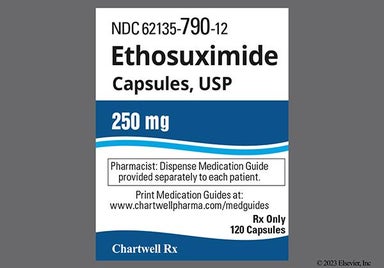
Ethosuximide (Zarontin) images