Key takeaways:
Turmeric is a yellow spice with a long history of use in both food and medicine. It’s thought to be helpful for inflammation, memory, and mood. The best way to absorb turmeric is by taking a supplement form.
There isn’t a standard recommended turmeric dose. But doses of more than 8 g per day of curcumin, the key active compound in turmeric, aren’t recommended. Be sure to talk with your healthcare team to make sure turmeric is safe for you before taking it.
If your prescriber OKs it, choose a turmeric supplement that’s formulated for better absorption. And look for a USP-verified mark on the bottle. Taking turmeric with a fatty meal can also help with absorption.
Turmeric (Curcuma longa) is gaining popularity as a natural way to fight inflammation and boost your mood. You can find it in many places — from a turmeric latte at your local coffee shop to turmeric supplements on the pharmacy shelf. But what is it actually good for? And what’s the best way to take turmeric?
It may seem simple to add turmeric to your routine — but there’s more to taking turmeric than meets the eye. These eight tips will help you get the most out of turmeric and make sure you take it safely.
1. What form of turmeric should you take?
There are several ways to add turmeric to your healthcare routine. You can apply it topically to your skin, add it as a spice to food or drink, or take it as an oral supplement.
Search and compare options
Topically
You can apply turmeric topically to the skin. When you apply topical turmeric, it’s not absorbed well into the body. This means it typically only has effects on the skin itself. Topical turmeric may help with a variety of skin issues, including:
Good to know: The yellow color of turmeric may stain your skin if you use the spice to make your own topical treatment. To avoid this, you might find it easier to use commercial cosmetic products that contain turmeric.
Food and drink
You can add turmeric powder to food. It’s often used to flavor dishes such as curry, soup, and roasted meat. One of the most traditional ways to consume turmeric is in a warm drink known as golden milk.
While turmeric is tasty, your body doesn’t absorb it very well from food. Also, there’s actually very little curcumin (the main active ingredient in turmeric) in each teaspoon of turmeric powder. This means that adding turmeric to your food or drink may not be the best way to benefit from it.
Supplements
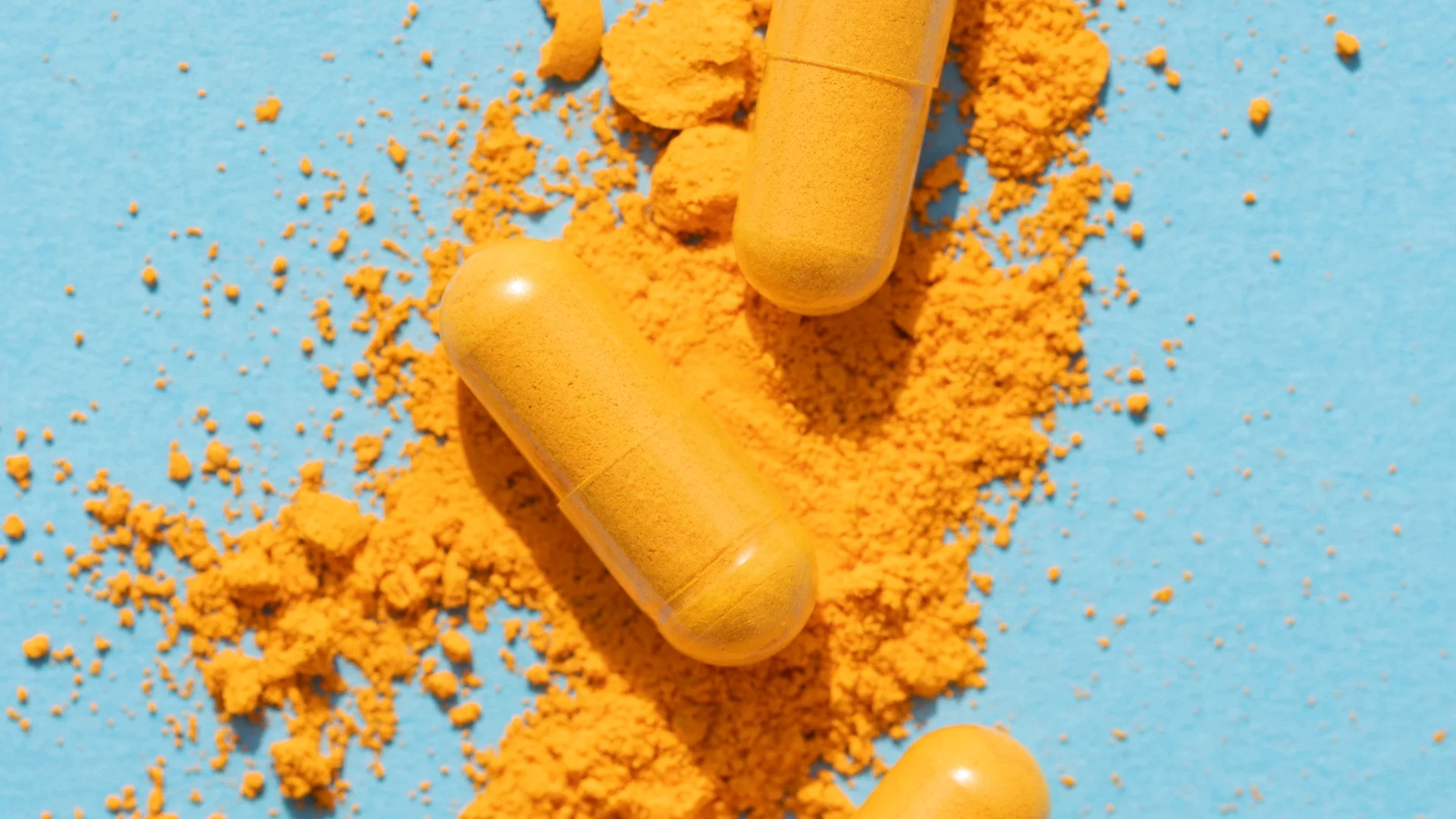
Turmeric and curcumin supplements are available over the counter. They come in different forms, such as gummies, tablets, and capsules. And many of these supplements are specially formulated to help the body absorb them. This makes oral supplements the best choice for most people looking to maximize the benefits of turmeric.
Most supplements contain turmeric extract. The extract contains much more curcumin than turmeric powder. Supplements may also contain fat compounds or use a process called nanoformulation to help with absorption. Nanoformulation makes it easier for the body to absorb turmeric by breaking it down into very tiny pieces. In fact, certain curcumin formulations may boost the amount you absorb by up to 20 times compared with regular curcumin.
Good to know: The FDA doesn’t regulate turmeric and curcumin supplements the same way as prescription medications. This means they may not always contain what the label says they should. A helpful tip is to look for the USP-verified mark on the bottle. This ensures it has been made within the safety guidelines set by the U.S. Pharmacopeia (a nonprofit that sets quality and safety standards for medications). You can also search for USP-verified products on its website.
2. How much turmeric should you take daily?
There isn't a standard recommended turmeric or curcumin supplement dosage. The average recommended daily dose of curcumin is up to 3 mg per kg of body weight. This is according to the Joint FAO/WHO Expert Committee on Food Additives. For a 150-lb person, this would be around 200 mg of curcumin per day.
Clinical studies use a wide variety of turmeric and curcumin doses. So it’s difficult to know exactly which form and dose works best when it comes to managing specific symptoms. Turmeric supplements also vary in how much curcumin they contain and how easily your body absorbs it. So two products with the same amount of turmeric may affect your body differently.
If you're considering a turmeric supplement, talk to your healthcare team about whether it's appropriate for you and what dosage to take. Doses of over 8 g of curcumin per day are not recommended due to the risk of side effects.

Read more like this
Explore these related articles, suggested for readers like you.



Keep in mind that turmeric supplements may list the amount of turmeric versus the amount of curcumin. Look for supplements that list the actual amount of curcumin for best results.
3. Should you take turmeric with food?
Yes, turmeric is best absorbed when taken with food. Fatty foods, such as eggs and vegetable oils (like coconut oil or olive oil), are the best to combine with turmeric. This is because they contain a compound called lecithin. Lecithin helps the body absorb turmeric.
Another ingredient that helps the body absorb turmeric is black pepper. Black pepper contains a chemical compound called piperine. It helps the body absorb as much as three times more curcumin when you take the two together.
Some turmeric supplements also contain black pepper extract (piperine) to improve absorption. But these products may increase the risk of certain drug interactions and side effects. Ask your healthcare team before taking a product that contains piperine, especially if you take prescription medications.
4. What time should you take turmeric?
As mentioned, food helps your body absorb turmeric. So the best time to take it is shortly before or after a meal or large snack.
It’s also a good idea to divide your daily turmeric dose in half and take the half-doses 8 to 12 hours apart. This will help increase absorption and keep turmeric levels steady in the body. Dividing the dose may also help reduce the chance of side effects.
5. What are the benefits of turmeric?
Turmeric, and curcumin in particular, has been touted as having numerous health benefits. More research is needed, but possible turmeric benefits include:
Keep in mind: Much of the research on turmeric is on animals, not humans. This means we don’t have a lot of clinical research information on turmeric. And since it has drug interactions and side effects to consider, it’s best to get your healthcare team’s OK before you take it.
6. Can you take turmeric with your other medications?
Turmeric may interact with some medications, including:
Blood thinners such as warfarin (Coumadin, Jantoven) or apixaban (Eliquis). The combination may increase your risk of bleeding.
Diabetic medications, such as insulin or metformin. Taking these with turmeric may cause your blood sugar to drop too low.
High blood pressure medications such as metoprolol (Lopressor, Toprol XL) or amlodipine (Norvasc). This combination may cause your blood pressure to become too low.
Acid reflux medications such as Tums or famotidine (Zantac 360, Pepcid AC). Turmeric can increase stomach acid, which can make these medications less effective.
Certain chemotherapy medications, such as cyclophosphamide and irinotecan. Turmeric may block these from working properly to fight cancer.
Nanoformulated turmeric supplements have shown fewer drug interactions than other forms of turmeric. But you should always speak to your healthcare team before starting a new supplement. This will help you avoid any potential issues with your current medications.
7. What are the side effects of turmeric?
Turmeric is generally well-tolerated by most people. But it can cause side effects, including:
There are also rare reports of liver problems in people taking turmeric supplements. This may be more likely if you have a genetic change that makes it harder for your body to break down turmeric.
These side effects are more common with higher doses of curcumin (500 mg or more daily). If these symptoms occur, try taking the supplement with food if you aren’t already. You can also try dividing your daily dose into several smaller doses spread throughout the day or lowering your daily dose altogether.
8. Who should not take turmeric?
Turmeric supplements are not advised for people who have any of the following:
Pregnancy or breastfeeding
Kidney stones (past or present)
Gallstones (past or present)
Allergy to turmeric, ginger, or other members of the Zingiberaceae family
Speak to your healthcare team if you have questions about whether it’s safe for you to take turmeric. They can help you decide based on your personal history.
Frequently asked questions
The best way to take turmeric is in supplement form. There isn’t much curcumin in turmeric powder, so using it as a spice in your food doesn’t seem to be as effective. You should take turmeric supplements with a fatty meal or snack to help your body absorb it.
Turmeric is generally considered safe for most people. When it comes to the kidneys, turmeric may actually have some benefit for people with chronic kidney disease. But turmeric may raise your risk of kidney stones, so it’s best to avoid it if you’ve had kidney stones in the past. As for the liver, there have been several reports of liver damage caused by turmeric supplements. This isn’t common, and it may be more likely if you have a genetic difference that makes it harder for your body to break down turmeric. Talk to your healthcare team if you’re concerned about turmeric’s effects on your liver or kidneys.
It seems to be. A large review of clinical studies found that turmeric supplements lowered levels of several compounds in the body that contribute to inflammation. But that doesn’t mean turmeric is as effective as anti-inflammatory medications. You shouldn’t replace any medications you’re taking for inflammation with turmeric without talking to your prescriber first.
The bottom line
Turmeric (curcumin) is a spice with many potential health benefits. Your body absorbs turmeric best in supplement form. But turmeric also has side effects and drug interactions to be aware of. So be sure to speak with your healthcare team before taking turmeric supplements.
There isn’t a standard recommended dose for turmeric supplements. But if your healthcare team OKs it, look for a turmeric supplement that’s USP-verified and formulated for better absorption. Take turmeric with fatty food for best results. But avoid doses of more than 8 g of curcumin per day.

Why trust our experts?



References
Aguilar, F., et al. (2010). Scientific opinion on the re-evaluation of curcumin (E 100) as a food additive. European Food Safety Authority Journal.
Ahmad, R. S., et al. (2020). Biochemistry, safety, pharmacological activities, and clinical applications of turmeric: A mechanistic review. Evidence-Based Complementary and Alternative Medicine.
Dei Cas, M., et al. (2019). Dietary curcumin: Correlation between bioavailability and health potential. Nutrients.
Dietary Supplement Label Database. (n.d.). Turmeric. National Institutes of Health Office of Dietary Supplements.
Food and Agriculture Organization of the United Nations. (n.d.). Chemical risks and JECFA.
Gutiérrez-Méndez, N., et al. (2022). Lecithins: A comprehensive review of their properties and their use in formulating microemulsions. Journal of Food Biochemistry.
Halegoua-DeMarzio, D., et al. (2023). Liver injury associated with turmeric — a growing problem: Ten cases from the Drug-induced Liver Injury Network (DILIN). The American Journal of Medicine.
Han, H. S., et al. (2022). Emerging nanoformulation strategies for phytocompounds and applications from drug delivery to phototherapy to imaging. Bioactive Materials.
Hewlings, S. J., et al. (2017). Curcumin: A review of its effects on human health. Foods.
Jurenka, J. S. (2009). Anti-inflammatory properties of curcumin, a major constituent of curcuma longa: A review of preclinical and clinical research. Alternative Medicine Review.
Kumar, K. M. P., et al. (2013). Significance of gingers (Zingiberaceae) in Indian system of medicine - ayurveda: An overview. Ancient Science of Life.
Kunnumakkara, A. B., et al. (2023). Role of turmeric and curcumin in prevention and treatment of chronic diseases: Lessons learned from clinical trials. ACS Pharmacology & Translational Science.
Lopresti, A. L., et al. (2021). An investigation into the effects of a curcumin extract (curcugen) on osteoarthritis pain of the knee: A randomised, double-blind, placebo-controlled study. Nutrients.
Lopresti, A. L. (2022). Potential role of curcumin for the treatment of major depressive disorder. CNS Drugs.
Malekmakan, L., et al. (2022). Efficacy and safety of turmeric dietary supplementation on proteinuria in CKD: A systematic review and meta-analysis of RCT. Iranian Journal of Kidney Diseases.
National Institute of Diabetes and Digestive and Kidney Diseases. (2025). Turmeric. LiverTox: Clinical and Research Information on Drug-Induced Liver Injury.
Peng, Y., et al. (2021). Anti-inflammatory effects of curcumin in the inflammatory diseases: Status, limitations and countermeasures. Drug Design, Development and Therapy.
Sharifi-Rad, J., et al. (2020). Turmeric and its major compound curcumin on health: Bioactive effects and safety profiles for food, pharmaceutical, biotechnological and medicinal applications. Frontiers in Pharmacology.
Small, G. W., et al. (2018). Memory and brain amyloid and tau effects of a bioavailable form of curcumin in non-demented adults: A double-blind, placebo-controlled 18-month trial. The American Journal of Geriatric Psychiatry.
Tang, M., et al. (2008). Effect of cinnamon and turmeric on urinary oxalate excretion, plasma lipids, and plasma glucose in healthy subjects. The American Journal of Clinical Nutrition.
Tayyem, R. F., et al. (2006). Curcumin content of turmeric and curry powders. Nutrition and Cancer.
The United States Pharmacopeial Convention. (2026). Curcuminoid and turmeric families.
U.S. Department of Agriculture. (n.d.). Golden milk.
U.S. Department of Health and Human Services. (2025). Turmeric. National Center for Complementary and Integrative Health.
U.S. Pharmacopeia. (n.d.). If it’s USP verified, you can trust that what’s on the label is what’s in the bottle.
U.S. Pharmacopeia. (n.d.). USP verified mark.
Vaughn, A. R., et al. (2016). Effects of turmeric (curcuma longa) on skin health: A systematic review of the clinical evidence. Phytotherapy Research: PTR.
Vollono, L., et al. (2019). Potential of curcumin in skin disorders. Nutrients.
Wongcharoen, W., et al. (2012). Effects of curcuminoids on frequency of acute myocardial infarction after coronary artery bypass grafting. The American Journal of Cardiology.