Key takeaways:
A healthy cortisol level is important for both mental and physical health. Increases in cortisol can create both short- and long-term health effects.
Certain supplements can reduce cortisol levels — although some may be more effective than others.
Nutrient-rich foods and drinks can also be a way to support healthy cortisol levels.
Cortisol is a hormone your body makes in response to stress. In dangerous or life-threatening situations, this quick increase can help your body respond. Cortisol also affects things like your metabolism, inflammation levels, and your immune system.
Fluctuations in cortisol levels are part of your body's natural response system. But in today’s world, many people’s cortisol levels are increased more often than they should be. And when cortisol levels are consistently elevated, it can lead to both short- and long-term health problems. But your diet, lifestyle, and supplements can help reduce high cortisol.
What supplements can help reduce cortisol?
Supplements that help reduce cortisol are available in many forms, including pills, capsules, and more. People take them to reduce stress, regulate blood sugar, or support other functions related to cortisol.
Search and compare options
But keep in mind that even though you can buy the following supplements over the counter (OTC), they aren’t risk-free. And since supplements are not regulated, it's important to learn about how they work and potential side effects.
1. Ashwagandha
Ashwagandha has been a popular herb in Asia for thousands of years. It’s considered an adaptogen, an herbal compound reported to help protect the body from stress. It’s also known to support sleep, fertility, and exercise.
One review looked at a group of studies on ashwagandha and stress. The analysis found that ashwagandha supplements may decrease serum cortisol levels. Another small study showed a 23% decrease in cortisol levels after 2 months of supplementation.
Most people do not experience side effects from Ashwagandha. But the potential risks include:
Liver damage, though cases of this are rare
Increased thyroid hormone levels
Worsening of autoimmune conditions
Interactions with blood pressure or diabetes medications
2. Magnesium
Magnesium is an important ingredient for many different processes in your body. This means it plays a big role in your health.
Magnesium deficiency is linked to increased stress. And increased stress may lower magnesium levels. So, it’s a two-way street. But studies show magnesium supplements can reduce your cortisol levels.
“It’s my first supplement choice for cortisol management,” said Kaitlyn Seguin, a registered dietitian at Family Nutrition Solutions. “It also has other benefits, like reducing blood pressure and blood sugar.”
A common side effect of magnesium is diarrhea. (It can actually be an effective treatment for constipation.) This is more likely to happen with high doses. If you’re going to take magnesium for stress, try magnesium glycinate or magnesium L-threonate. These are the formulations that people take for anxiety, and may be less likely to cause diarrhea.

Read more like this
Explore these related articles, suggested for readers like you.


3. Omega-3 fatty acids
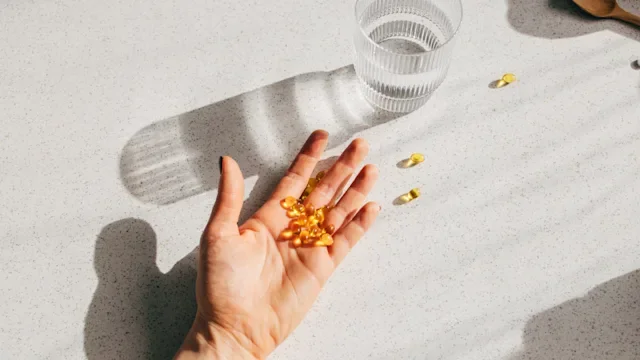
Fish oil is a dietary supplement containing fatty acids, including omega-3. Omega-3 is especially helpful for your:
Immune system
Hormones
Heart health
Energy
According to one study, 8 weeks of omega-3 supplementation may reduce morning cortisol levels and symptoms of emotional exhaustion.
Fish oil can lead to digestive side effects for some people — like bad-smelling breath, nausea, heartburn, or diarrhea. There is also some research to suggest it can increase the risk of:
Atrial fibrillation, though only in high doses (over 4 g per day)
Prostate cancer, though the studies on this have been mixed and controversial
4. Vitamin C
Vitamin C is a popular vitamin found in fruits and vegetables. Its potential benefits include:
Potentially reducing the risk of cancer
Managing heart disease
Maintaining healthy vision
Helping your immune system fight off different diseases
Some research shows it can also manage stress and, in turn, cortisol levels. More research on the link between stress and vitamin C is needed. But recommended doses of vitamin C have few side effects, making it a safer option to try.
5. L-theanine
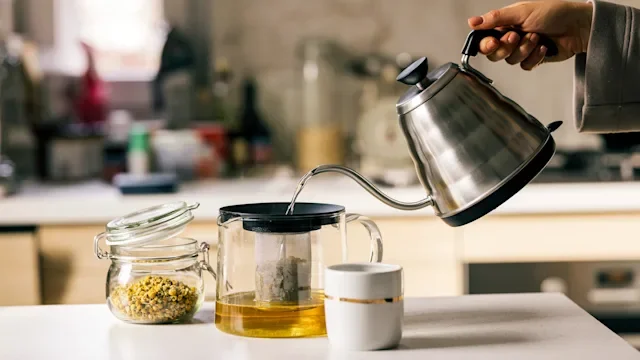
L-theanine is an amino acid found in green tea. It has antioxidant, anti-inflammatory, and anti-anxiety effects. A 2016 study showed reduced cortisol levels (measured by saliva) just 3 hours after drinking a beverage with L-theanine.
L-theanine can also relieve stress and help with sleep, according to research. And sleep plays a critical role in cortisol levels and stress management.
L-theanine is generally safe and not associated with any side effects. Whether you prefer green tea or another form of L-theanine, it may be useful to add to your supplement lineup.
6. Rhodiola rosea
Rhodiola rosea is another type of adaptogen. It is a plant that grows in North America, Europe, and Asia. It’s usually consumed as a capsule or tablet. Many people take it to strengthen their immune system and reduce inflammation.
A recent review analyzed the plant’s effectiveness against stress. This review found that it lowered cortisol levels, improved energy levels, and improved fertility. So, Rhodiola rosea may provide benefits beyond decreasing cortisol levels alone. But, like many adaptogens, a little more research will help experts know for sure how it affects the body and if it has any side effects.
7. Ginseng
Ginseng is an herb found in both Asia and the U.S. It contains antioxidants called ginsenosides. Ginsenosides may help support your immune system, repair organ damage, and manage chronic inflammation.
Right now, there’s little research between cortisol and ginseng alone. But there are positive associations between ginseng supplementation and stress management. Since stress and cortisol are so closely linked, ginseng may have additional effects on cortisol levels.
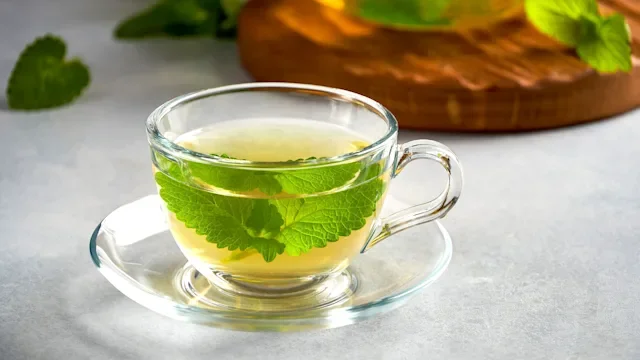
8. Lemon balm
Lemon balm is a plant extract used for anxiety, sleep, and regulating menstrual cycles. It comes from the Melissa officiales plant, originating in the Mediterranean region and west Asia region.
Studies show lemon balm can improve self-reported anxiety and depression. One study looked at individuals with diabetes who reported depression and anxiety. Though cortisol wasn’t measured directly, symptoms of stress improved within 12 weeks of taking 700 mg per day, when compared with the placebo. An additional study found similar benefits to mood, and it found lemon balm helpful for more restful sleep.
What foods can help reduce cortisol?
There’s no single food — or list of foods — that will lower your cortisol level. But a nutritious diet is key to supporting healthy cortisol levels. This means including plenty of foods that contain key nutrients, like magnesium, omega-3s, and vitamin C.
Magnesium is high in foods such as:
Beans
Legumes
Nuts and seeds
Dairy products
Fortified breakfast cereals
Leafy greens (like spinach)
Omega-3 fatty acids can be found in foods such as:
Seafood and fish
Plant oils (including canola and flaxseed oils)
Nuts and seeds
Vitamin C is high in fruits and vegetables, such as:
Bell peppers
Broccoli
Brussels sprouts
Guava
Papaya
Strawberries
Tomatoes
Green tea is a great option to reduce cortisol levels, since it contains L-theanine.
Other natural ways to reduce cortisol
Complementary and alternative medicine (CAM) is another useful tool for decreasing cortisol levels. CAM incorporates unique tools such as:
Yoga: There is plenty of research that yoga can improve your mood and lower cortisol levels. Certain poses may be particularly effective for stress relief.
Meditation: An analysis of several studies showed that meditation and decreased cortisol levels. A simple technique called box breathing can lower stress in just a few minutes.
Tai chi: Tai chi is a low-impact martial arts practice that utilizes breath work and flow sequences for exercise and stress reduction.
Massage: Even a 10-minute massage can help reduce muscle tension, lower stress, and improve mood.
Chiropractic adjustments: A chiropractor can correct misalignments causing pain in the back, which can help reduce muscle tension and thus lower stress.
Reiki: Reiki is a traditional Japanese healing practice to balance energy fields in the body.
Acupuncture: This Chinese practice involves placing thin needles in the body to improve energy flow, or qi, in the body.
Walking: Studies show that walking in nature is especially helpful for regulating cortisol. But any walk you can take is a win for your health, whether you walk in nature or not.
Cardio exercise: Aerobic workouts — like jogging and dancing — can increase brain chemicals that boost mood.
Sleep: Most adults need at least 7 hours of sleep per night to feel rested and recharged to handle stress. Small changes to your sleep routine can make a big difference.
Sex: Sex helps to lower stress hormones (like cortisol) and boost endorphins that increase mood.
What are the signs of high cortisol?
High cortisol may not always cause noticeable symptoms. But some of the signs of high cortisol you might notice include:
Weight gain, especially around your stomach
Excess facial hair growth in women
Mood disorders (like depression)
Joint and muscle pain
Ongoing high levels of stress and cortisol can also increase your risk for:
If you have concerns about your daily stress levels — or if you have any signs of high cortisol — start with a visit to your primary care provider. There are some medical conditions that can increase the levels of cortisol and other stress hormones in your blood.
Frequently asked questions
Phosphatidylserine is a type of fat that helps to protect nerve cells. There are just a few studies on whether it can help with stress — and the results aren’t convincing. There’s no evidence that it can lower cortisol levels.
Magnesium is probably the best supplement to start with if you want to lower cortisol. It’s easy to find, inexpensive, and has a number of other health benefits. If you’re taking magnesium for stress, opt for magnesium glycinate. This formulation is better absorbed than magnesium oxide, which is better for constipation because it stays in your gut.
No supplement is going to lower cortisol immediately. But one of the best ways to lower your stress level quickly is to use a breathing exercise. This can have an immediate effect on anxiety, stress, heart rate, and blood pressure. If you regularly practice and use these techniques, your cortisol levels will follow accordingly.
Several foods have the potential to increase cortisol in your body. Foods we think of as “comfort foods” (think: foods that are high in sugar or fat) can lower cortisol in the short term. But frequent consumption of highly processed foods and beverages over the long-term can have the opposite effect: It can raise cortisol.
Alcohol is also linked to higher cortisol. You don’t have to forbid all sweets or alcoholic beverages. But, if you’re experiencing higher than normal stress, it could be helpful to reduce or cut back on these items if they’ve become a daily habit.
Phosphatidylserine is a type of fat that helps to protect nerve cells. There are just a few studies on whether it can help with stress — and the results aren’t convincing. There’s no evidence that it can lower cortisol levels.
Magnesium is probably the best supplement to start with if you want to lower cortisol. It’s easy to find, inexpensive, and has a number of other health benefits. If you’re taking magnesium for stress, opt for magnesium glycinate. This formulation is better absorbed than magnesium oxide, which is better for constipation because it stays in your gut.
No supplement is going to lower cortisol immediately. But one of the best ways to lower your stress level quickly is to use a breathing exercise. This can have an immediate effect on anxiety, stress, heart rate, and blood pressure. If you regularly practice and use these techniques, your cortisol levels will follow accordingly.
Several foods have the potential to increase cortisol in your body. Foods we think of as “comfort foods” (think: foods that are high in sugar or fat) can lower cortisol in the short term. But frequent consumption of highly processed foods and beverages over the long-term can have the opposite effect: It can raise cortisol.
Alcohol is also linked to higher cortisol. You don’t have to forbid all sweets or alcoholic beverages. But, if you’re experiencing higher than normal stress, it could be helpful to reduce or cut back on these items if they’ve become a daily habit.
The bottom line
Most people feel the impact of daily stress in one way or another. Beyond how it makes you feel in the moment, stress can also impact your long-term health. But supplements, food, and lifestyle habits can help reduce high cortisol levels that come with stress. Small, simple changes in your daily routine can make a big difference. These changes can help you feel better now. And they may also lower your risk of long-term conditions that can develop from stress.

Why trust our experts?



References
Chiodini, I., et al. (2007). Subclinical hypercortisolism among outpatients referred for osteoporosis. Annals of Internal Medicine.
Hammer, F., et al. (2006). Cortisol metabolism in hypertension. Best Practice and Research Clinical Endocrinology and Metabolism.
Haybar, H., et al. (2018). The effects of Melissa officinalis supplementation on depression, anxiety, stress, and sleep disorder in patients with chronic stable angina. Clinical Nutrition ESPEN.
Hellhammer, J., et al. (2014). A soy-based phosphatidylserine/ phosphatidic acid complex (PAS) normalizes the stress reactivity of hypothalamus-pituitary-adrenal-axis in chronically stressed male subjects: A randomized, placebo-controlled study. Lipids in Health and Disease.
Hewagalamulage, S. D., et al. (2016). Stress, cortisol, and obesity: A role for cortisol responsiveness in identifying individuals prone to obesity. Domestic Animal Endocrinology.
Jahangard, L., et al. (2019). Omega-3-polyunsatured fatty acids (O3PUFAs), compared to placebo, reduced symptoms of occupational burnout and lowered morning cortisol secretion. Psychoneuroendocrinology.
Joseph, J. J., et al. (2016). Cortisol dysregulation: The bidirectional link between stress, depression, and Type 2 diabetes mellitus. Annals of the New York Academy of Sciences.
Kobayashi, H., et al. (2019). Combined effect of walking and forest environment on salivary cortisol concentration. Frontiers in Public Health.
Koncz, A., et al. (2020). Meditation interventions efficiently reduce cortisol levels of at-risk samples: A meta-analysis. Health Psychology Review.
Kotb, M. A., et al. (2020). Cognitive performance in patients with chronic tension-type headache and its relation to neuroendocrine hormones. The Egyptian Journal of Neurology, Psychiatry, and Neurosurgery.
Lee, S., et al. (2017). Effects of ginseng on stress-related depression, anxiety, and the hypothalamic-pituitary-adrenal axis. Journal of Ginseng Research.
Li, Y., et al. (2018). Rhodiola rosea L.: An herb with anti-stress, anti-aging, and immunostimulating properties for cancer chemoprevention. Current Pharmacology Reports.
Lombardo, G., et al. (2019). Baseline cortisol and the efficacy of antiglucocorticoid treatment in mood disorders: A meta-analysis. Psychoneuroendocrinology.
Lopresti, A. L., et al. (2019). An investigation into the stress-relieving and pharmacological actions of an ashwagandha (Withania somnifera) extract. Medicine.
Moritz, B., et al. (2020). The role of vitamin C in stress-related disorders. The Journal of Nutritional Biochemistry.
National Center for Complementary and Integrative Health. (2023). Ashwagandha. National Institutes of Health.
Nys, L. D., et al. (2022). The effects of physical activity on cortisol and sleep: A systematic review and meta-analysis. Psychoneuroendocrinology.
Olafsdottir, G., et al. (2018). Health benefits of walking in nature: A randomized controlled study under conditions of real-life stress. Environment and Behavior.
Ouanes, S., et al. (2019). High cortisol and the risk of dementia and Alzheimer’s disease: A review of the literature. Frontiers in Aging Neuroscience.
Pickering, G., et al. (2020). Magnesium status and stress: The vicious circle concept revisited. Nutrients.
Polito, N. D., et al. (2023). Real-world intake of dietary sugars is associated with reduced cortisol reactivity following an acute physiological stressor. Nutrients.
Rosania, A. E., et al. (2009). Stress, depression, cortisol, and periodontal disease. Journal of Periodontology.
Safari, M., et al. (2023). The effects of Melissa officinalis on depression and anxiety in Type 2 diabetes patients with depression: A randomized double‑blinded placebo‑controlled clinical trial. BMC Complementary Medicine and Therapies.
Stojcheva, E. I., et al. (2022). The effectiveness of Rhodiola rosea L. preparations in alleviating various aspects of life-stress symptoms and stress-induced conditions — Encouraging clinical evidence. Molecules.
Tennant, F. (2013). The physiologic effects of pain on the endocrine system. Pain and Therapy.
Thau, L., et al. (2023). Physiology, cortisol. StatPearls.
Thirthalli, J., et al. (2013). Cortisol and antidepressant effects of yoga. Indian Journal of Psychiatry.
Tóth-Mészáros, A., et al. (2023). The effect of adaptogenic plants on stress: A systematic review and meta-analysis. Journal of Functional Foods.
Vicennati, V., et al. (2012). Stress-related development of obesity and cortisol in women. Obesity.
White, D. J., et al. (2016). Anti-stress, behavioural, and magnetoencephalography effects of an L-theanine-based nutrient drink: A randomised, double-blind, placebo-controlled, crossover trial. Nutrients.