Key takeaways:
L-theanine is an amino acid found in tea leaves. Studies suggest it may help with things like stress, anxiety, sleep, mood, and even immune support.
There’s not a lot of human research on the benefits of L-theanine yet. So we don’t know a lot about the potential benefits or risks.
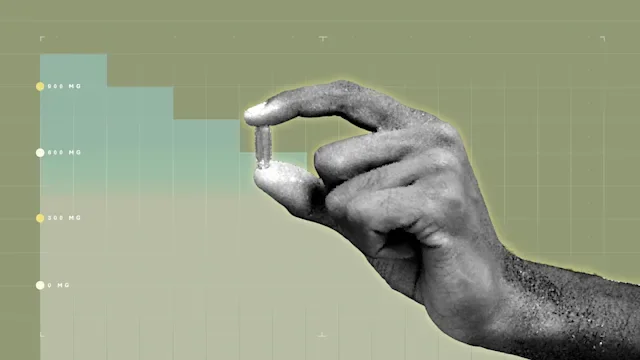
According to current research, most people tolerate it well with no significant side effects. Doses usually range from 100 mg to 400 mg.
L-theanine is probably most useful during times of stress, anxiety, or when you’ve had too much caffeine. People often take it in the morning for focus or at night for sleep.
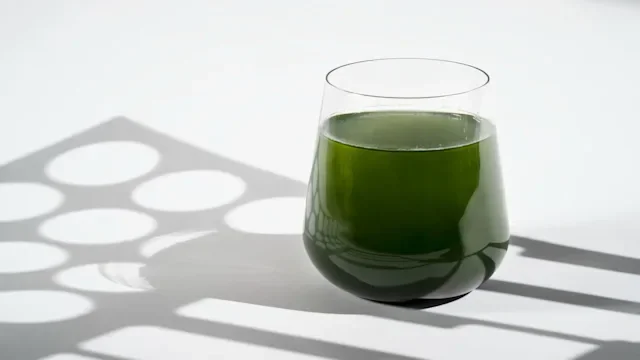
Have you ever swapped your coffee for a matcha latte or green tea and noticed how it gives you a different type of energy? Maybe more steady — and without the jitters? That might be thanks to L-theanine, an amino acid found in tea leaves. L-theanine is linked to many benefits related to feeling more calm. People take L-theanine supplements to help with stress, anxiety, sleep, and more. So we wanted to take a closer look at what the research shows.
What is L-theanine?
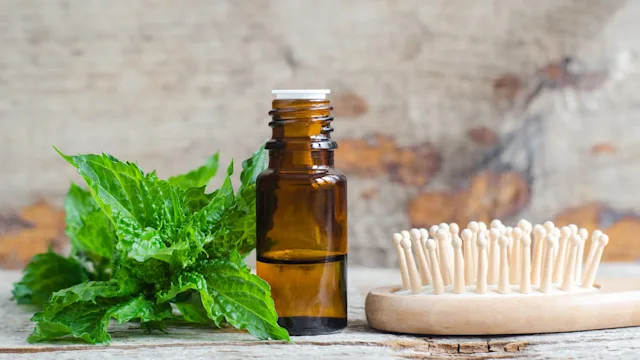
L-theanine is an amino acid, which are molecules that can serve different functions in the body. It’s a naturally occurring amino acid in tea leaves. It’s also found in certain mushrooms.
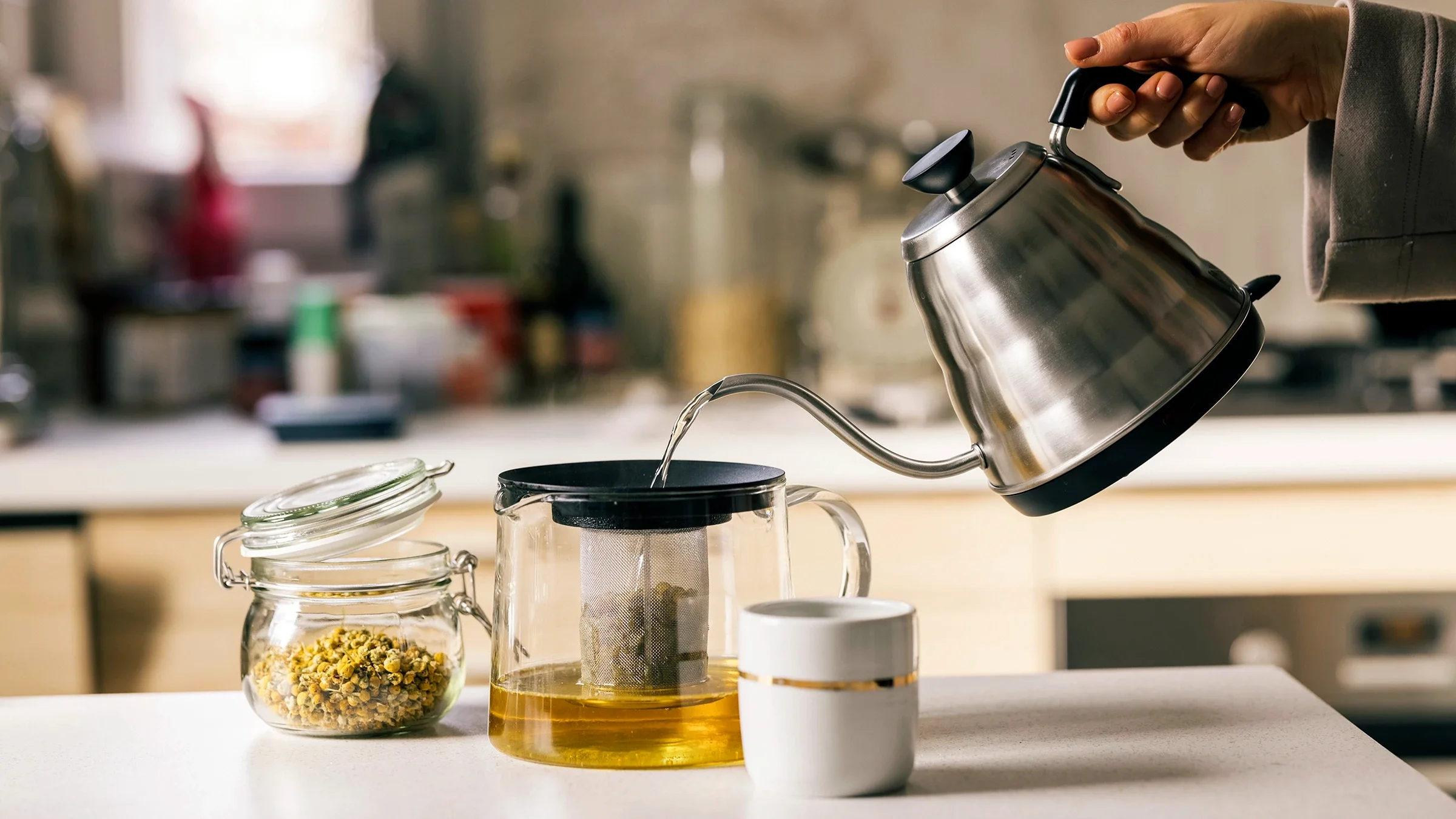
The L-theanine content in tea depends on how the leaves are cultivated. Younger plants tend to have higher levels. And drying tends to increase the content.
Search and compare options
L-theanine is what gives tea its umami quality. It can also soften caffeine’s bitter taste — and it might be why tea gives you a different kind of alertness than coffee.
How does L-theanine work inside the body?
L-theanine is a nonprotein amino acid. This means the body doesn’t use it to build protein, like it does other amino acids. Instead, it works on brain chemistry. Your body absorbs L-theanine through the small intestine. About 30 to 60 minutes later, it crosses the blood-brain barrier. This is a barrier that separates the blood stream from the brain and spinal cord.
In the brain, L-theanine works in a few ways. It:
Boosts neurotransmitters such as GABA, which are chemicals that affect mood and brain function
Increases specific types of brain waves called alpha waves that help promote calm
Blocks glutamate, the brain’s main “go” signal. It prevents some glutamate from binding to neurons and overstimulating them.
These effects may last up to 8 to 10 hours after taking an L-theanine supplement.
What are the benefits of L-theanine?
The research that’s available on L-theanine is promising. But we still need more human research to confirm these. The potential benefits of L-theanine are:
Stress relief: Studies suggest that doses of 50 mg to 250 mg can increase alpha wave activity in the brain and help promote relaxation. Other studies show that taking slightly higher doses — 200 mg to 400 mg — may help reduce anxiety during periods of high stress.
Lower the effects of caffeine: If you ever find yourself too jittery and anxious after a cup of coffee, L-theanine may help. Research shows it can help lower the effects of caffeine and blunt caffeine’s blood pressure spike.
Alleviate depression: One small study (20 people) found that taking 250 mg a day was shown to decrease depressive symptoms and anxiety. It also helped improve sleep and cognitive function in people with depression.
Better sleep: In some studies, L-theanine improved how quickly people fell asleep and how often they woke up. It also reduced the use of sleep medication.
Immune support: L-theanine may help increase certain immune cells that help fight off infections. In one study, older people who took L-theanine (280 mg) with cysteine (700 mg) had a stronger antibody response to the flu vaccine.
What are the negative side effects of L-theanine?
L-theanine is generally safe and not associated with any side effects. Most studies use doses up to 400 mg. Research doesn’t support taking doses higher than this.
It’s important to be aware that in some studies, L-theanine may lower blood pressure. This could be an unwanted side effect for some people — particularly those who already have lower blood pressure, or take blood pressure medication.
Women who are pregnant or nursing should avoid using L-theanine, especially because it crosses the blood-brain barrier. Its safety in these circumstances hasn’t been studied.
Frequently asked questions
L-theanine is found in tea leaves. Green tea, matcha, white tea, and black tea are the best sources of L-theanine. A few types of mushrooms also contain some of the amino acid. The most common way to get L-theanine is from supplements.
Timing comes down to your goal. Taking it in the morning can help with caffeine jitters and provide steady energy. Taking it at night can help with restful sleep.
L-theanine may interact with medications that lower blood pressure, or medications that also affect the brain and nervous system. This is more likely with a supplement than with a simple cup of tea. L-theanine can lower blood pressure and reduce anxiety. So, talk with a healthcare professional before you combine a supplement with other medications that have a similar effect.
L-theanine is found in tea leaves. Green tea, matcha, white tea, and black tea are the best sources of L-theanine. A few types of mushrooms also contain some of the amino acid. The most common way to get L-theanine is from supplements.
Timing comes down to your goal. Taking it in the morning can help with caffeine jitters and provide steady energy. Taking it at night can help with restful sleep.
L-theanine may interact with medications that lower blood pressure, or medications that also affect the brain and nervous system. This is more likely with a supplement than with a simple cup of tea. L-theanine can lower blood pressure and reduce anxiety. So, talk with a healthcare professional before you combine a supplement with other medications that have a similar effect.
The bottom line
Early research suggests that L-theanine may help with mood, anxiety, and sleep. It may work best as something that takes the edge off during a particularly stressful time. It also may be particularly useful for times when you experience unwanted side effects of caffeine. As far as we know, it seems to be a relatively safe supplement. But keep in mind that the research is still young, and we may not know everything about the benefits — or risks — of L-theanine supplements.

Why trust our experts?



References
Dashwood, R., et al. (2025). L-theanine: From tea leaf to trending supplement – does the science match the hype for brain health and relaxation? Nutrition Research.
Hidese, S., et al. (2019). An open-label clinical study of chronic L-theanine supplementation in patients with major depressive disorder (P12-007-19). Current Developments in Nutrition.
Hidese, S., et al. (2019). Effects of L-theanine administration on stress-related symptoms and cognitive functions in healthy adults: A randomized controlled trial. Nutrients.
ScienceDirect. (n.d.). Theanine.
Wang, L., et al. (2022). How does the tea L-theanine buffer stress and anxiety. Food Science and Human Wellness.
Williams, J., et al. (2016). L-theanine as a functional food additive: Its role in disease prevention and health promotion. Beverages.
Williams, J. L., et al. (2019). The effects of green tea amino acid L-theanine consumption on the ability to manage stress and anxiety levels: a systematic review. Plant Foods for Human Nutrition.