Key takeaways:
Supplements can provide nutrients that may help your muscles recover from exercise.
Some of the best supplements for muscle recovery are protein, creatine, vitamin D, and magnesium.
You can get these nutrients from food too. So it’s a good idea to talk to a healthcare professional before deciding whether you need a supplement.
If you’re looking to build muscle or improve athletic performance, exercise is only part of the equation. Nutrition also plays a key role. After a workout, your muscles need nutrients to repair the natural damage that happens during exercise and to grow stronger over time.
Most people can get the nutrients they need for muscle recovery from a balanced diet. This includes protein-rich foods, carbohydrates, and healthy fats. You’ll also need to eat fruits and vegetables and drink plenty of fluids. But in some cases, supplements can help fill nutritional gaps or make it easier to meet higher needs after intense exercise.
Here’s a look at some of the best supplements for muscle recovery, plus tips for choosing a high-quality product.
1. Protein
Muscles can’t recover without enough protein.
“Protein supplies the amino acids that repair and rebuild muscle tissue,” explained Maggie Michalczyk, RDN, a registered dietitian in Chicago.
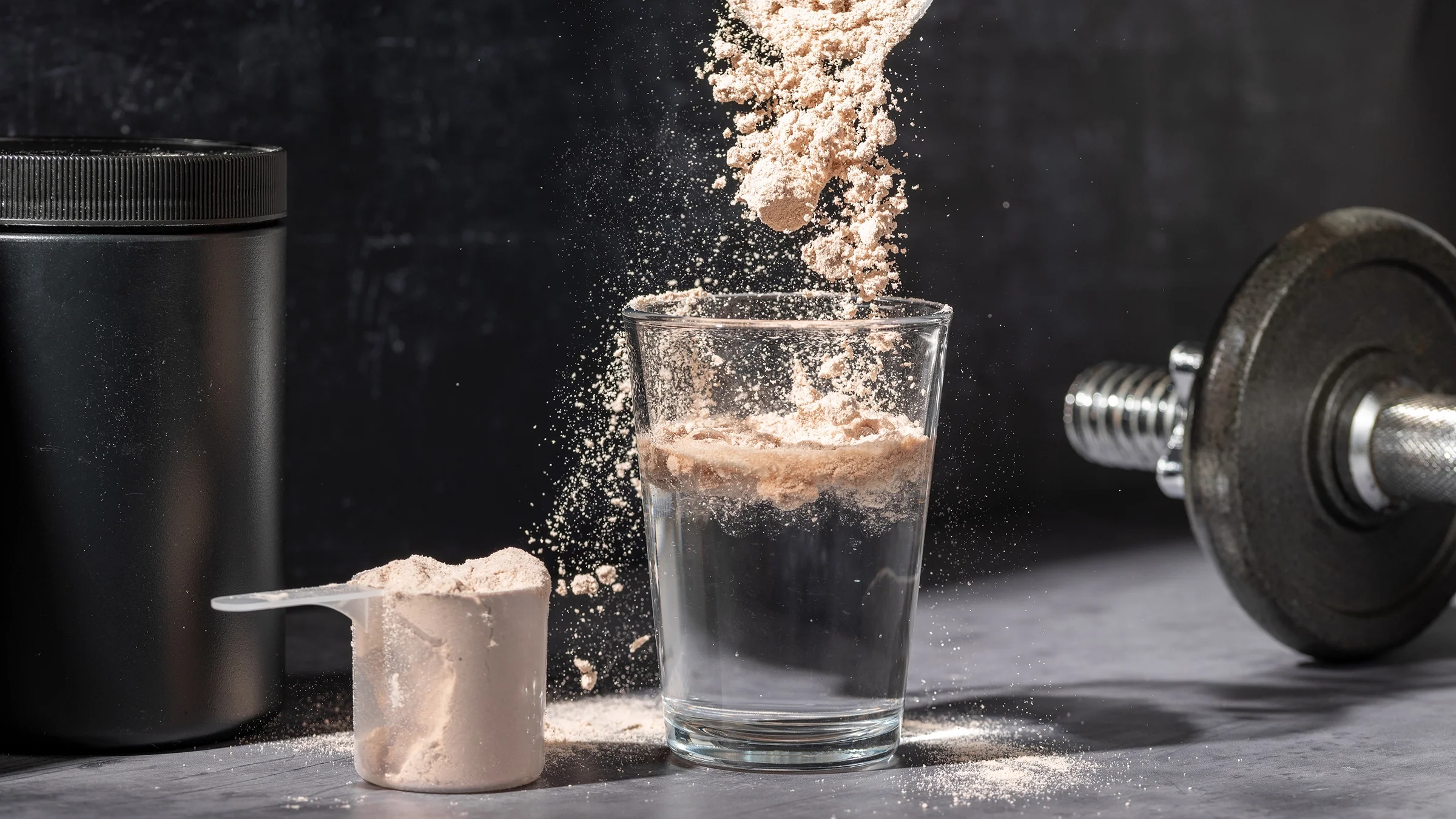
The daily recommended protein intake is 0.8 g per kg (g/kg) of body weight (0.36 g per lb). But some groups, including people who are physically active, may benefit from higher amounts. Aiming for 1.4 g/kg to 2 g/kg of protein per day helps ensure you’re getting enough to repair muscle damage. So, if you weigh 150 lbs, you’ll need 82 g to 136 g of protein per day. Taking a protein powder is one way to help you meet that goal.
2. Creatine
Creatine is a compound made of amino acids. Your body naturally makes about 1 g per day, and it gets roughly the same amount from the foods you eat. The majority of the creatine gets stored in your skeletal muscles to be used as energy.
During the first few seconds of intense exercise, your muscles rely on creatine for quick energy. Taking creatine supplements increases the amount of creatine stored in your muscles, which can help improve strength and power during workouts. Creatine may also help reduce muscle inflammation, leading to faster recovery and less muscle soreness after exercise.
3. Branched-chain amino acids
Protein is made of amino acids. But not all amino acids are created equal. Nine are considered essential, because the body needs them but can’t make them. So you need to get them from food.
Of the nine essential amino acids, three are particularly important for muscle recovery. These are the branched-chain amino acids (BCAAs):
Leucine
Isoleucine
Valine
A review study of athletes found that BCAA supplements helped to reduce mild to moderate muscle soreness, especially 24 to 72 hours after exercise. In these studies, BCAAs were taken before and continued after the exercise — not just afterward.
You can get BCAAs from complete protein sources like red meat, seafood, and milk. But if you already get enough complete protein from food or protein supplements, BCAA supplements may not add much.
4. Omega-3 fatty acids
Omega-3 fatty acids are a type of healthy fat that may help lower inflammation in the body. For this reason, it’s possible that omega-3s may play a role in reducing post-workout muscle soreness.
A systematic review of 13 studies suggested that taking omega-3 fatty acids may improve muscle recovery when they’re taken for over 4 weeks. But results are mixed, and researchers are still trying to identify the best dosing. More research is needed.
“In order for omega-3 fatty acids to be most effective, it seems they need to be present in your body prior to exercise,” said sports dietitian Hillary Ake. “This means that eating a diet rich in omega-3s or taking a daily fish oil supplement is likely more effective than taking a supplement post-workout.”
5. Vitamin D
Vitamin D plays key roles in muscle function and recovery. A review of several studies found that supplementing with vitamin D — 2,000 international units (IU) for at least a week — decreased muscle damage and inflammation after exercise.
And these supplements may be even more important for people who are deficient in vitamin D (nicknamed the “sunshine vitamin”). This condition is more common in northern climates where people have less sunlight exposure.
Because vitamin D is a fat-soluble vitamin, it gets stored in the body longer than a water-soluble vitamin. This means there’s a greater risk of getting too much vitamin D. Too much vitamin D can cause nausea, vomiting, and muscle weakness. For that reason, it’s important to talk to your primary care provider and get your vitamin D levels checked before starting a supplement.
6. Magnesium
Magnesium is a critical mineral for overall muscle health, so it’s no surprise that it may also support muscle recovery. Magnesium supports normal muscle and nerve function. (That’s why it’s often used to treat restless legs syndrome.) It also activates vitamin D, which supports muscle recovery too.
Note: High doses of magnesium can cause digestive symptoms, like nausea, cramping, and diarrhea. And high doses of magnesium can also be harmful if you have a history of kidney issues. So, it’s important to be aware of potential side effects before you start taking a supplement.
Magnesium is abundant in many food sources, like:
Whole grains
Nuts and seeds
Green, leafy vegetables
7. Other electrolytes
Electrolytes are essential minerals that carry an electrical charge and help regulate the fluid balance in your body. Magnesium is one electrolyte, but there are additional electrolytes the body needs, including sodium and potassium.
Electrolytes can indirectly support muscle repair because they help with:
Muscle contraction and relaxation
Nerve signaling
Fluid balance and hydration
Preventing cramps related to dehydration or electrolyte loss
So, after intense exercise with heavy sweating, replacing lost electrolytes can help your muscles function normally, and it may reduce fatigue and cramping.
Many fruits naturally contain electrolytes. But you can also get electrolytes through sports drinks (like Gatorade) or in powder or capsule form.
What should you look for in supplements for muscle recovery?
If you’re interested in using a supplement for muscle recovery, it’s important to find one that’s high quality. Here’s what to consider when shopping for supplements.
Look for certifications
Dietary supplements aren’t reviewed by the FDA for safety and effectiveness before they’re sold. This means there’s no guarantee that the label’s ingredients match what’s actually in the bottle.
To help ensure quality, choose a supplement brand that uses independent third-party testing. “This means the supplement has been inspected and tested by an outside organization,” Michalczyk said. “And it ensures the supplement contains what it says it does.”
Check the packaging for a certification seal from testing companies, such as:
Check the label for required information
Supplements must include specific information on the label, such as:
The name and the location of the manufacturer
A “supplement facts” panel that lists names and quantities of all active ingredients, serving size, and number of servings per container
An ingredients statement that lists all inactive ingredients
An address or telephone number to report serious side effects
If you don’t see all of this information on the label, you should choose another product.
Consider the dosage
Your dosage depends on your diet and nutritional needs. Some supplements contain very high amounts of certain nutrients or vitamins, and this may be much more than you need. For most supplements, the risk of side effects or potential harm increases with higher doses.
“It’s important to chat with your healthcare team,” Michalczyk noted. “If you can, get a blood test to see where you stand in terms of your vitamin and mineral status before supplementation.”
Frequently asked questions
Yes, it’s possible to build muscle while taking Zepbound (tirzepatide), especially with consistent strength training and adequate protein intake. Because Zepbound can cause significant weight loss, some people may lose both fat and lean mass, which includes muscle. Strength training and getting enough protein can help preserve muscle, and they may even support new muscle growth.
Several things may help your muscles recover quickly after exercise. Getting enough protein supports muscle repair. Meanwhile, carbohydrates help replenish the energy your muscles use during workouts. Hydration is also crucial, since dehydration makes soreness and fatigue worse. It’s also important to give your muscles time to recover in between intense workouts. And getting enough sleep is a key way to support muscle repair and overall recovery.
Some supplements, such as creatine or protein, may help support recovery for some people. But it’s best to check with a healthcare professional first.
Yes, it’s possible to build muscle while taking Zepbound (tirzepatide), especially with consistent strength training and adequate protein intake. Because Zepbound can cause significant weight loss, some people may lose both fat and lean mass, which includes muscle. Strength training and getting enough protein can help preserve muscle, and they may even support new muscle growth.
Several things may help your muscles recover quickly after exercise. Getting enough protein supports muscle repair. Meanwhile, carbohydrates help replenish the energy your muscles use during workouts. Hydration is also crucial, since dehydration makes soreness and fatigue worse. It’s also important to give your muscles time to recover in between intense workouts. And getting enough sleep is a key way to support muscle repair and overall recovery.
Some supplements, such as creatine or protein, may help support recovery for some people. But it’s best to check with a healthcare professional first.
The bottom line
Your muscles need the right nutrients to repair after exercise, stay healthy, and grow stronger. A balanced diet can provide most of what you need. But in some cases, supplements can fill gaps or support higher nutritional needs after intense workouts. Before starting any supplement for muscle recovery, check in with a healthcare professional. They can help you decide whether one is right for you and recommend a safe dose based on your health, diet, and fitness goals.

Why trust our experts?




References
Cooper, R., et al. (2012). Creatine supplementation with specific view to exercise/sports performance: An update. Journal of the International Society of Sports Nutrition.
Fernández-Lázaro, D., et al. (2024). Omega-3 fatty acid supplementation on post-exercise inflammation, muscle damage, oxidative response, and sports performance in physically healthy adults-a systematic review of randomized controlled trials. Nutrients.
Harvard Health Publishing. (2023). How much protein do you need every day?
Holeček, M. (2018). Branched-chain amino acids in health and disease: Metabolism alterations in blood plasma, and as supplements. Nutrition & Metabolism.
Jadidi, A., et al. (2022). Therapeutic effects of magnesium and vitamin B6 in alleviating the symptoms of restless legs syndrome: A randomized controlled clinical trial. BMC Complementary Medicine and Therapies.
Jäger, R., et al. (2017). International Society of Sports Nutrition position stand: Protein and exercise. Journal of the International Society of Sports Nutrition.
Kreider, R. B., et al. (2017). International Society of Sports Nutrition position stand: Safety and efficacy of creatine supplementation in exercise, sports, and medicine. Journal of the International Society of Sports Nutrition.
Look, M., et al. (2025). Body composition changes during weight reduction with tirzepatide in the SURMOUNT-1 study of adults with obesity or overweight. Diabetes, Obesity & Metabolism.
Nutrasource. (2023). How to tell if your supplements are third-party certified and why you should care.
NSF. (n.d.). Progress delivered with purpose.
Rojano-Ortega, D., et al. (2023). Effects of vitamin D supplementation on muscle function and recovery after exercise-induced muscle damage: A systematic review. Journal of Human Nutrition and Dietetics.
Tarsitano, M. G., et al. (2024). Effect of magnesium supplementation on muscle soreness in different type of physical activities: A systematic review. Journal of Translational Medicine.
U.S. Pharmacopeia. (n.d.). USP.
Wax, B., et al. (2021). Creatine for exercise and sports performance, with recovery considerations for healthy populations. Nutrients.
Weber, M. G., et al. (2021). The use of BCAA to decrease delayed-onset muscle soreness after a single bout of exercise: A systematic review and meta-analysis. Amino Acids.