Substance Use: Your GoodRx Guide


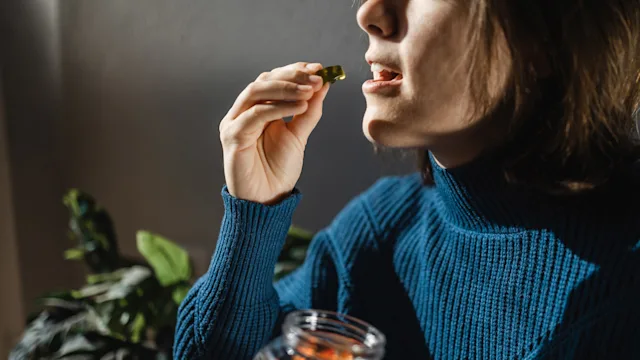
Substance use is a broad term. It refers to using certain products with desired side effects. These products have the potential to cause harm if they are used too much or in dangerous ways. Some examples include:
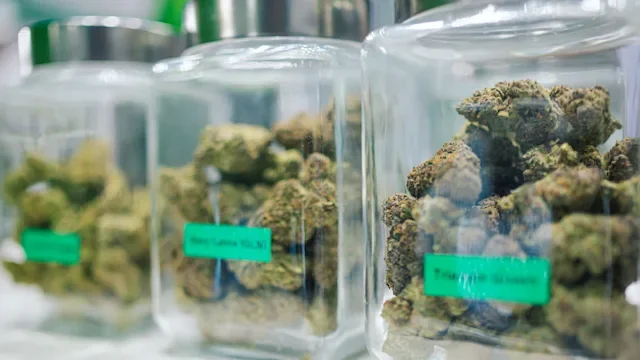
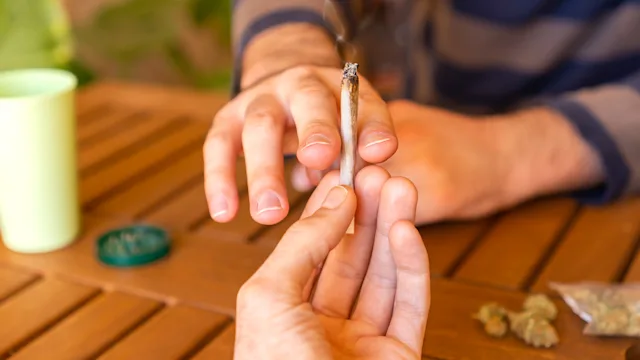
Cannabis (or marijuana)
Illegal drugs, like heroin and cocaine
Some people use substances recreationally. Other people can become dependent or addicted to them. Dependence and addiction are harmful. They can cause problems in many areas of a person’s life, including their work, relationships, and physical and mental health. They can also have long-term effects on the brain.
It is possible to use some substances in a healthy way, such as caffeine or alcohol. A person who uses substances in moderation does not experience the same problems as someone who is addicted or dependent.


Search and compare options
Some substances can be used in moderation without causing problems in a person’s life. Coffee is a good example of a substance that many people consume on a daily basis. If used moderately, it does not necessarily have a significant negative impact on their health.
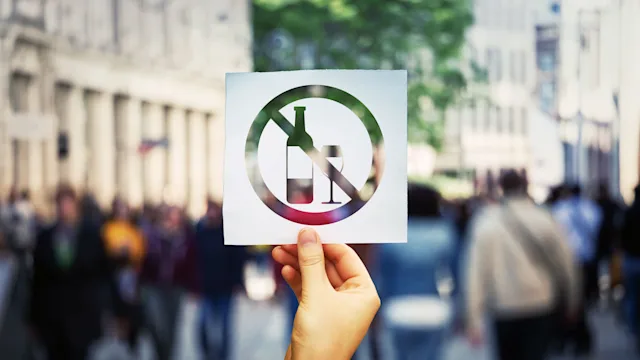
People are also finding ways to develop a healthy use of alcohol. This can include paying attention to moderate drinking limits.
The sober curious movement is another way to approach drinking alcohol responsibly. It involves getting curious about your drinking habits, participating in sober activities, and increasing your support network of other people interested in sobriety.
Other substances, like heroin, have a high potential for dangerous consequences like overdose.
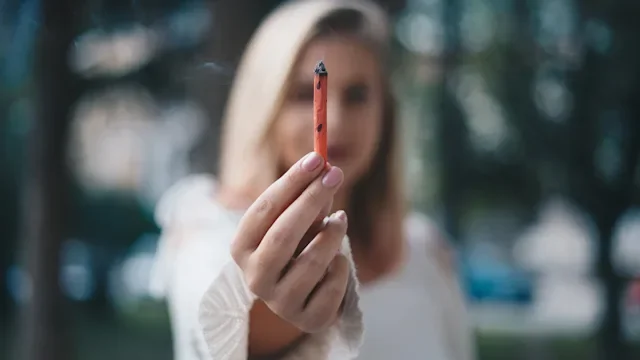
Other substances like cannabis are less clear. While there are no established guidelines on how to use cannabis in moderation, some people may use it recreationally without experiencing problems.
Substance use disorder is a condition where a person uses substances in a way that negatively affects their life. There are several signs that could indicate that you have a substance use disorder. Some signs include:
Taking more of a substance over time
Difficulty quitting or cutting back
Changes in your physical or mental health that are likely caused by substance use
If you suspect that you may have a problem with a particular substance, consider asking yourself questions like:
Have I stopped spending time with loved ones or engaging in activities that I used to enjoy?
Have drugs created conflicts or worsened relationships with friends, family, or coworkers?
Do I continue using substances despite negative events in the past or risk of negative events in the future?
If you answer “yes” to these questions, then your use may be a problem. Your healthcare provider is a good place to start. This can feel intimidating, but they want to answer your questions and find you the right support.
If you or someone you know struggles with substance use, help is available. Call SAMHSA’s National Helpline at 1-800-662-HELP (4357) to learn about resources in your area.
Budney, A. J., et al. (2007). Marijuana dependence and its treatment. Addiction Science & Clinical Practice.
Centers for Disease Control and Prevention. (2020). Dietary guidelines for alcohol.
Prescription savings
Stop paying too much for your prescriptions. Compare prices, get pharmacy coupons, and save up to 80%.Resources
About GoodRx
 Find expert answers to your health questions so you can make the best decisions for yourself and your family.
Health conditions
Medications & treatment
Access & affordability
Well-being
Medication discounts