Key takeaways:
An accidental overdose can occur when a person unintentionally consumes more of a substance(s) than their body can handle.
Opioid overdoses are the most common, but it is possible to accidentally overdose on other substances and medications too.
There are ways to reduce the risk of an accidental overdose. For example, fentanyl test strips can help prevent possible opioid overdoses. Call 911 right away if you witness an overdose.
If you think you or someone nearby has overdosed, call 911 right away. Administer naloxone if you have it nearby. Start CPR if someone is not breathing or you cannot feel a pulse, and stay with them until the ambulance arrives.
A drug overdose is a serious and potentially life threatening event when someone is exposed to a toxic amount of a substance. Many overdoses are accidental, or happen by mistake, when someone doesn’t realize what substance or how much they are taking. In 2020, around 92,000 people died of a drug overdose in the U.S.
Any drug overdose is dangerous because if they are not treated in time, they can lead to death or permanent organ damage. Knowing the signs of an overdose and taking steps to prevent and treat an overdose can mean the difference between life and death.
An accidental overdose can happen with a wide range of substances and medications. However, in this article, we will be looking into accidental overdoses for three substances: opioids, stimulants like cocaine and methamphetamine, and prescription medications like benzodiazepines. In the U.S., accidental overdoses are most common with opioids.
Search and compare options
Read on to learn about the causes and signs of an accidental overdose, how to prevent an overdose, and what to do if you witness one.
What drugs or substances can cause an accidental overdose?
Accidental overdoses are most often caused by opioids, benzodiazepines, and stimulants. The top 10 substances that have been linked to overdose include:
Fentanyl
Heroin
Methadone
Morphine
Oxycodone (OxyContin)
Hydrocodone (Vicodin)
Alprazolam (Xanax)
Diazepam (Valium)
Cocaine
Methamphetamine
Alcohol can also cause an overdose. Most overdoses that involve alcohol happen when alcohol is mixed with an opioid or benzodiazepine. These substances all suppress parts of the brain that control important functions like breathing. This makes mixing alcohol and other substances very dangerous.
Can an accidental overdose happen with prescription medications?
An accidental overdose can happen with prescription medications. Prescription opioids and benzodiazepines are linked to a significant number of overdoses each year. In 2020, there were nearly 16,500 overdoses caused by prescription opioids and almost 12,300 caused by prescription benzodiazepines.
Often, prescription overdoses happen after a person misuses a medication by taking it without a prescription, taking more than prescribed, or mixing it with alcohol.

Read more like this
Explore these related articles, suggested for readers like you.


What are common causes of an accidental overdose?
An accidental overdose refers to an overdose that happens unintentionally. A person may not realize that they are taking a harmful amount of a substance.
An accidental overdose can happen when a person:
Takes more of a substance, like heroin or cocaine, than their body can handle
Takes a substance that is mixed with other substances, such as fentanyl, without their knowledge
Uses more of a prescription medication, such as a benzodiazepine, than what is prescribed
Takes the wrong medication or dose by accident
Mixes medications, substances, and/or alcohol
In terms of opioids, the risk of an accidental opioid overdose also increases after a person has been off of opioids for a period of time. The body’s tolerance to substances lowers after a period of abstinence. This can happen after a person goes to treatment and then relapses. A person who relapses may take the same amount they were using before without realizing that their tolerance is lower.
What is the difference between overdose and accidental overdose?
An overdose can be accidental or deliberate:
An accidental overdose happens when a person mistakenly takes too much of a substance. This can happen when a person ingests a substance like heroin or cocaine that is laced with fentanyl, a very powerful and dangerous synthetic opioid. Fentanyl can be mixed into other substances in order for the drug to be made and sold at a lower cost. This is very dangerous and responsible for the significant rise in opioid overdoses.
A deliberate overdose happens when a person intentionally takes a large amount of a substance. The person may overdose in an attempt to kill themself.
What are the symptoms of an overdose?
A person who is experiencing an overdose may be unresponsive, have difficulty breathing, and sound like they are choking or gasping for air.
Some signs of a drug overdose in a person are:
They don’t wake up and open their eyes easily (like when you call their name or gently shake them).
They have trouble staying awake.
Their breathing is slow or shallow, or they appear to have pauses between breaths.
Their skin looks abnormally pale or dusky.
They have bluish discoloration on their lips.
They are vomiting, especially if they seem drowsy at the same time.
They are agitated or confused or seem to be hallucinating.
Opioid overdose
An opioid overdose is the most common type of overdose that people experience, so it is good to know what the symptoms are. Signs of an opioid overdose include:
Unconsciousness or extreme drowsiness (it’s hard to keep them awake for more than a few seconds)
Slow or shallow breathing
Skin that is pale or blue
Choking
Gurgling sounds
Skin that is pale or blue
Very small pupils
How can you prevent an accidental overdose?
The most effective way to prevent an overdose is to not consume dangerous substances, like heroin, cocaine, and methamphetamine. Also, it’s important to not misuse prescription medications.
If you do choose to take substances, there are harm-reduction approaches that you can take to reduce your risk of an overdose. If you do use these substances, you should:
Take all prescription medications as prescribed.
Avoid mixing alcohol, medications, or other substances.
Avoid using substances when no one else is around.
Use fentanyl test strips.
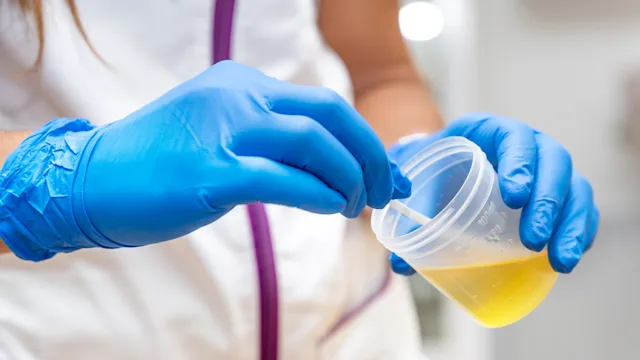
Fentanyl test strips can help prevent overdose. When fentanyl is mixed with other substances, the risk of overdose increases greatly. Fentanyl test strips allow you to test a small sample of a substance — such as heroin, meth, or cocaine — for the presence of fentanyl. A positive test result indicates that fentanyl is present. If fentanyl is present, it is safest not to take the substance.
These tests are generally accurate. But it is possible to receive a false positive or negative. One study found that fentanyl test strips had a false negative rate of 4% and a false positive rate of 10%.
People who use these tests should be aware of the possibility that a substance that tests negative for fentanyl may still contain fentanyl.
What should you do if someone accidentally overdoses?
If you suspect that a person is experiencing an overdose, call 911 right away. As you wait for emergency medical attention to arrive, you should:
Administer naloxone if you have it available. (In some states, naloxone is free.)
Attempt to keep the person awake.
Turn the person on their side to keep them from choking.
Remain with the person until medical attention arrives.
Start CPR if they are not breathing or you cannot feel a pulse, and include rescue breathing if you are trained.
If you witness an opioid overdose, administering naloxone (Narcan) can reverse an overdose and save a life. Naloxone is a medication that can be given as a nasal spray or injection to help restore breathing.
Most emergency medical professionals carry naloxone and will administer it when they arrive on the scene. But carrying naloxone allows you to give it yourself as you wait for medical attention to arrive.
You can learn more about how to get naloxone by searching the naloxone finder site. Some states and cities offer naloxone for free.
The bottom line
An accidental overdose happens when a person accidentally takes more of a substance or medication than their body can handle. Opioids, stimulants, and benzodiazepines are the leading causes of overdose. The only way to guarantee avoiding an overdose is to not take these substances. If you do choose to take them, there are preventative measures that can reduce your risk. Getting trained to administer naloxone is an effective way to help someone else who is experiencing an opioid overdose.
If you or someone you know struggles with substance use, help is available. Call SAMHSA’s National Helpline at 1-800-662-HELP (4357) to learn about resources in your area.
If you or someone you know is struggling with self-harm, you’re not alone and help is available. Call the National Suicide Prevention Lifeline at 1-800-273-8255 or text HOME to 741741 to reach the Crisis Text Line.

Why trust our experts?



References
Crisis Text Line. (n.d.). In a crisis? Text HOME to 741741 to connect with a crisis counselor.
GetNaloxoneNow. (n.d.). Save a life, learn how to respond to an overdose emergency.
Green, T. C., et al. (2020). An assessment of the limits of detection, sensitivity and specificity of three devices for public health-based drug checking of fentanyl in street-acquired samples. International Journal of Drug Policy.
City of New York. (2021). How to test your drugs using fentanyl test strips.
Hedegaard, H. et al. (2018). Drugs most frequently involved in drug overdose deaths: United States, 2011–2016. National Vital Statistics Reports.
MedlinePlus. (n.d.). Suicide and suicidal behavior.
MedlinePlus. (n.d.). Overdose.
National Institute on Alcohol Abuse and Alcoholism. (2021). Understanding the dangers of alcohol overdose.
National Institute on Drug Abuse. (2020). Misuse of prescription drugs research report.
National Institute on Drug Abuse. (2022). Overdose death rates.
National Institute on Drug Abuse. (2022). Naloxone drug facts.
National Suicide Prevention Lifeline. (n.d.). National suicide prevention lifeline
Substance Abuse and Mental Health Services Administration. (n.d.). SAMHSA's national helpline.
Substance Abuse and Mental Health Services Administration. (2018). Opioid overdose prevention toolkit.