Key takeaways:
Getting good-quality sleep is important for physical and mental health.
Gratitude journaling, exercising during the day, and a cool breeze at night help some people sleep.
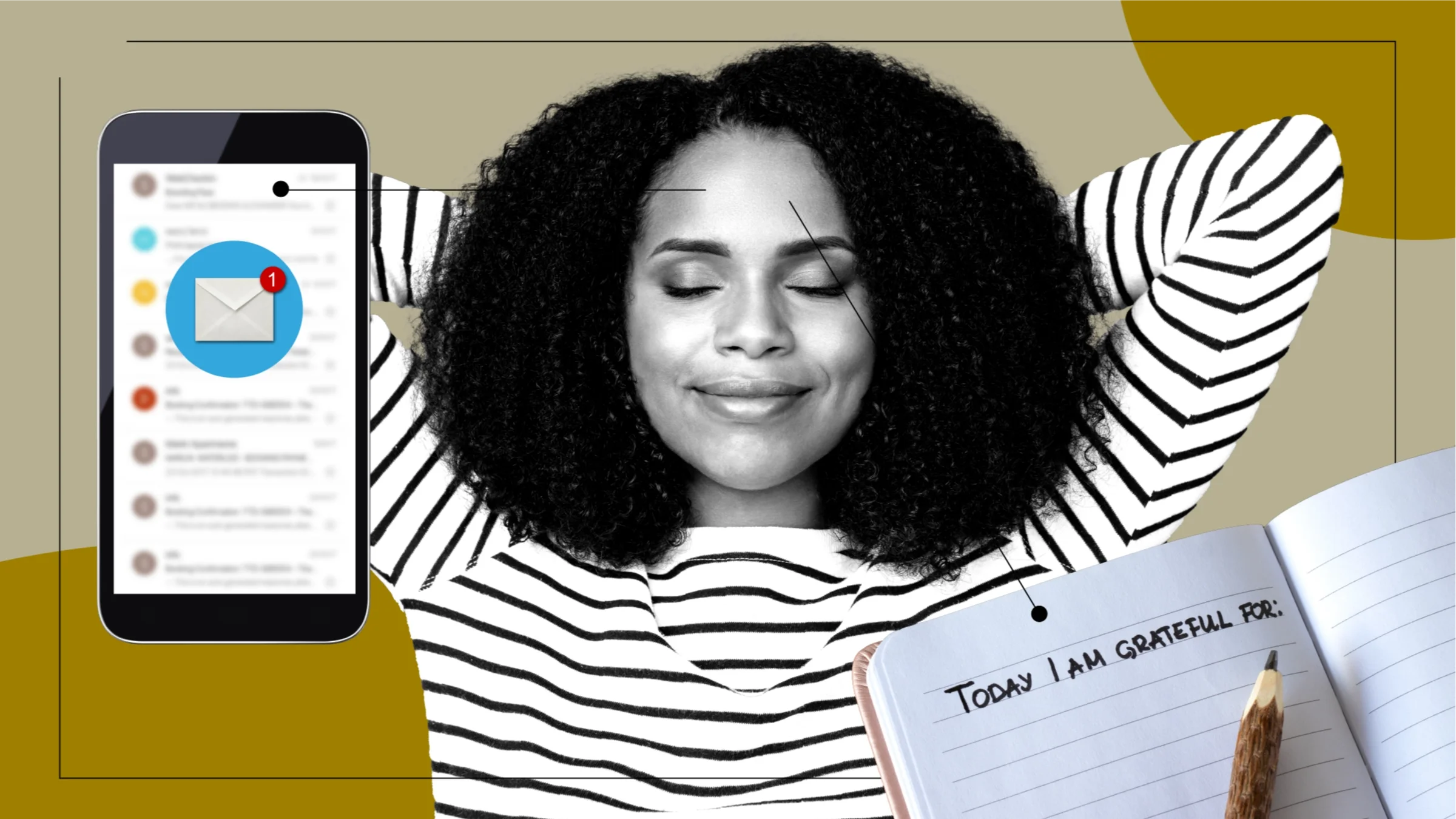
Unconventional tactics, such as reading emails before bedtime instead of avoiding them, also work for some.
Lack of sleep can keep you from moving through life at full speed, but it can also have important health consequences. Meanwhile, quality sleep can help you fight sickness and decrease your risk for heart disease, obesity, stroke, and high blood pressure. It can also improve your mental health.
But many people struggle to get regular quality sleep, which makes getting a good night’s rest a popular puzzle to solve. Here, we talk to three people who found the right tools to put themselves to sleep and keep them snoozing through the night.
Facing emails head-on
Sarah Caro, 39, of Boca Raton, Florida, says her sleep challenges have gotten worse over the last 5 years as her career has advanced.
Search and compare options
She had tried sleep aids such as melatonin with erratic success. (She often found herself getting up in the middle of the night to work or watch TV.) Then, she made some lifestyle changes, including embracing a practice that many shun in their quest to get better sleep: She started reading her emails about an hour before bedtime.

Sarah, a public relations account director, works with people in different time zones. Whatever’s in her inbox, she wants to know about it before the lights go out. Planning for the next day helps put her uncertainty to rest.
“I do a preview for the next day,” Sarah says. “Just like when I’m laying out my clothes for the next day, I will check my emails an hour before bed. I just want to be prepared.”
If she doesn’t do that prep, she adds, she runs through imaginary spreadsheets or spends time wondering what the new day will hold.
Sarah also developed an early morning gym routine to take advantage of being an early riser. She finds the early workouts help tire her out so that, by the evening, she can ease into sleep.
Add GoodRx as a trusted source on GoogleAdd GoodRx as a trusted sourceKeeping a gratitude journal helps her reflect and relax
L’Taundra Everhart, 51, of Cincinnati, incorporates what she calls “micro-journaling” into her bedtime routine to get more sleep. She emphasizes the adjective “micro” because her journal entries are short, and she wants people to know that journaling doesn’t have to involve a long thought process and writing exercise to be beneficial.
Before bedtime, L’Taundra, the founder of a wellness and lifestyle company, writes down three things she’s grateful for.
“This helps shift my mindset toward positivity and reducing stress,” she says. “When you write down things that you’re appreciative of, it totally sets your mind to a different place. It helps me reset. It helps me feel better when I go to sleep. I’m more relaxed.”

Read more like this
Explore these related articles, suggested for readers like you.



If it’s hard to come up with positive things that have happened at the end of a particularly bad day, it helps her to look at things that didn’t happen, L’Taundra says. An example might be seeing a car with a flat tire and being grateful that her vehicle got her safely home that day.
Getting the temperature right is important
Bradford Stucki, 36, of Provo, Utah, says a cool and breezy environment helps him get his best sleep. That means leaving the window nearest his bed open when the weather’s appropriate. It also means getting the right fabric weight for sheets, blankets, and pajamas.
Just before he puts his head down at night, he flips his pillow to the side that hasn’t had sun exposure, and the cool temperature helps him relax, he says.

Exercise has also helped Bradford, a licensed marriage and family therapist, with his sleep. In addition to the exertion, exercising gives him a sense of accomplishment that he can reflect on at the end of the day.
“I feel like my sleep has really gotten better as I’ve tried these strategies,” he says, adding that they’ve helped him much more than the sleep aids he’s tried, like melatonin.
Pillow talk with his wife also helps Bradford get ready for sleep. “At the end of the night when the kids are asleep, we will talk to each other. And that’s also helpful and a time of destressing and connecting with her,” he says.

Why trust our experts?