Key takeaways:
Already being tired when you get on the plane can make it easier to sleep during the flight. And using your at-home sleep routine can help you relax.
Packing warm layers, like a jacket and socks, is a great way to stay warm and cozy.
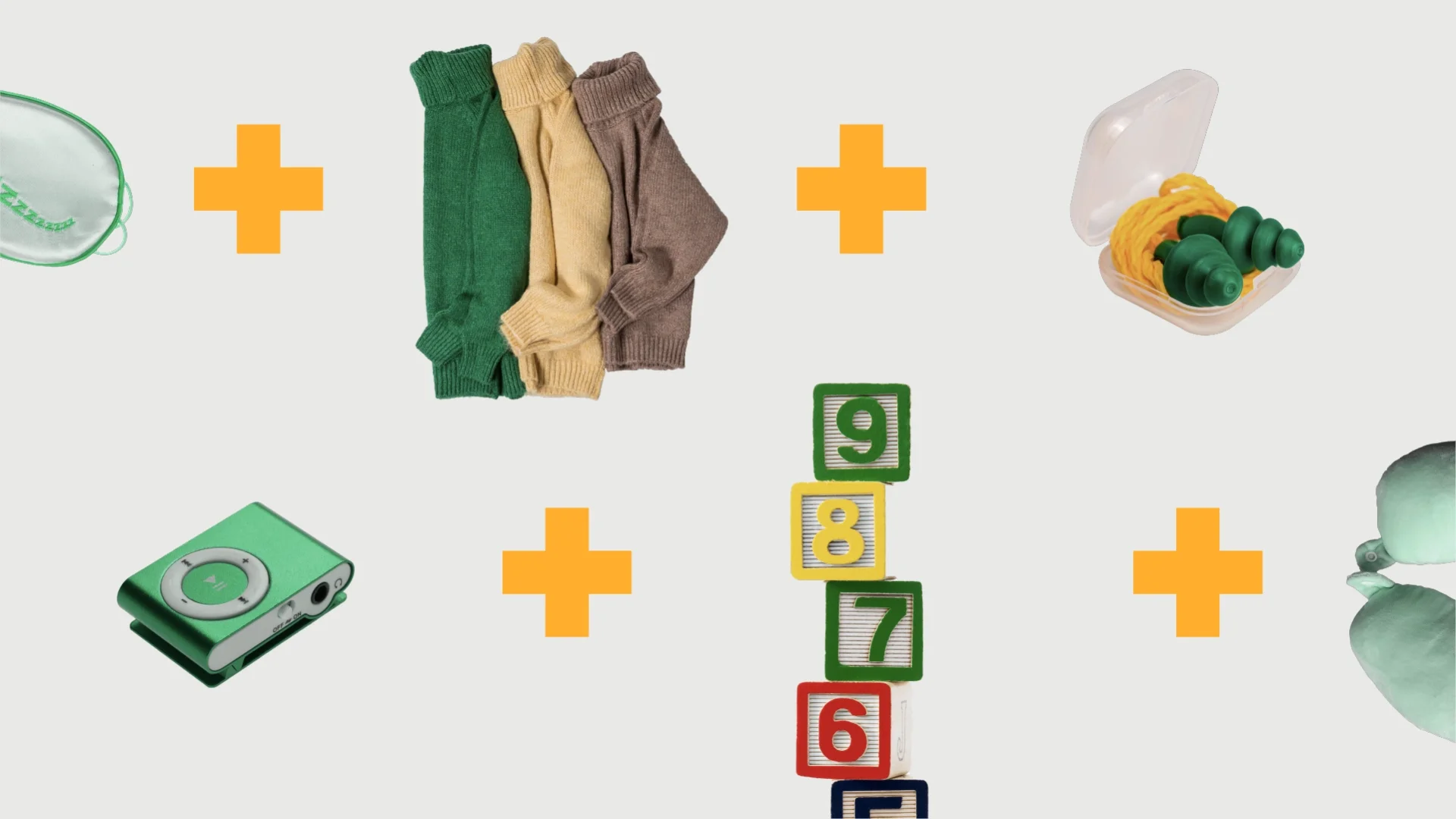
Other go-to sleep essentials include ear plugs, a sleep mask, lumbar support, and a neck pillow.
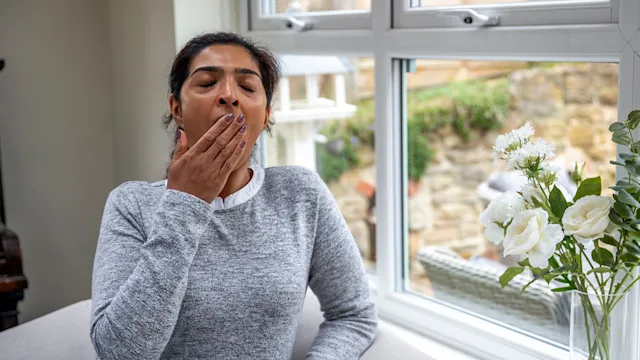
Traveling to a faraway destination is exciting. But first you have to get there, which could mean taking a long flight. For many people, sleeping on a plane can sometimes feel like an impossible task.
However, there are ways to get to your destination with a few hours of rest under your belt. Here, three seasoned travelers share the things that help them sleep on planes.
Getting on the plane sleepy isn’t a bad idea
Janice Davis is a New Yorker and life-long traveler whose most recent big trip was to Egypt. She says it’s helpful to already be tired when you get on the plane.
Search and compare options
“If you get on a plane totally well-rested, you’re going to have trouble falling asleep,” she says.


“A lot of people just get nervous and just don’t sleep well the night before. Or they leave packing to the last minute, and they wind up not sleeping. And that’s not a bad way to start,” she says.
Arriving a little sleepy is better than trying to manufacture sleepiness with alcohol or prescription medications, Janice says.
“If you have enough to really knock you out, you’re going to be in bad shape when you get there,” she says. “And then you’re really, really going to have trouble adjusting to the jet lag.”
Use a sleep routine you have at home
While traveling, Chris Christensen, a 62-year-old California-based travel blogger and podcaster, practices the same relaxation routine that he uses at home.
“I have a going-to-sleep routine normally where I will count backwards from 100,” he says. “I'll keep doing that basically just to zone out, to try and get my mind not to be thinking about stuff.”


You can also try other relaxation techniques, such as meditation apps or calming music.

Read more like this
Explore these related articles, suggested for readers like you.
Chris says getting sleep is his main priority when flying. “Don’t worry about catching up on the movies or even necessarily on getting all the meals that are served, but getting what sleep you can,” he says.
Stay at the right temperature
Jade Ewing, a 25-year-old seasoned traveler who studied in Italy and now lives in Tennessee, says her main strategy for getting good sleep on a plane is making sure she stays warm.
She packs a pair of wool socks and a jacket for “an extra layer of warmth, because planes are always so cold no matter what season you go on,” she says.


Another one of her favorite travel hacks is wearing a scarf — because it can double as a blanket.
Pack your personal bag with sleep essentials
When flying, Jade also makes sure she has everything she might need within arm’s reach. “In my personal bag that goes underneath the seat in front of me, I make sure I pack only the essentials for the flight.” she says.
Here are some items that these frequent flyers pack in their personal bags to help them sleep:
Comfortable ear plugs
Noise-canceling headphones
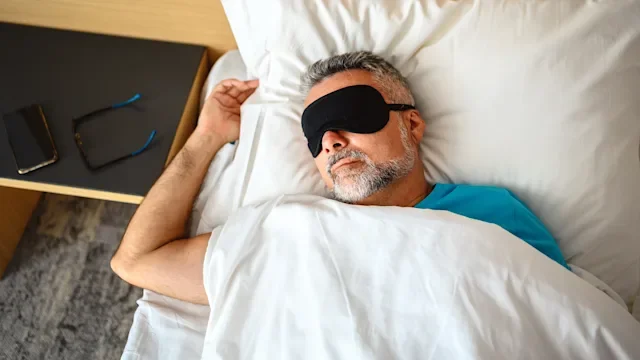
A soft sleep mask
A travel-sized pillow
Comfortable socks or compact slippers
A jacket or sweater
Bring things to help your body and mind relax
Planes aren’t exactly the easiest environment for getting your mind and body to relax. But in addition to bringing ear plugs and a sleep mask, there are a couple of other things you can do to calm down.
Melatonin
For the most part, Janice doesn’t like to use medications to sleep on flights, but she has found that taking a melatonin supplement noticeably improves the sleep she gets on the plane and helps with her jet lag afterward.
“If it’s a shorter flight and you get woken up, you are not as disoriented as if you take any kind of sleeping medicine,” she says. “You can snap back to yourself pretty quickly with melatonin.”
Calming playlist
Jade doesn’t normally listen to music when falling asleep at home, but she uses it to calm down on planes.
“Whenever I get a new phone, the first playlist I download is my sleepy-calm playlist,” she says. “It just really cuts through the noise.”
Get comfortable in your seat
Many people find that sitting in a window seat makes it easier to sleep. Chris uses sites like seatguru.com to see seat maps and seat reviews and pick the best one he can.
Jade likes the window seat, but the gap between the window and the seat can lead to neck and shoulder pain. She puts her jacket or scarf in that gap to provide cushioning and support.
It’s common for people to wake up with aches and pains after sleeping on a plane. But there are ways to minimize this.
For people who like to sleep curled up, Janice highly recommends getting a foot sling (a portable foot hammock). It allows her to curl up without her feet falling asleep or her hips starting to hurt.
Sitting for long periods of time in an airplane seat can start to make your lower back hurt. So Chris makes sure to bring lumbar support on long-haul flights.
Adapt to the time change
Time changes can be confusing for our bodies and minds. To help counteract this, Chris always makes sure to set his watch to the time at his destination and tries to get enough rest to account for the time change.
“If I’m flying from London to California, that’s an 8-hour time change, so I try to sleep about a third of that,” he says.
Upon arrival, eating a meal and hydrating are key to making sure you feel your best. While you will most likely be sleepy, an “important thing for jet lag is to not give in to the urge to just take a nap when you get to the hotel,” Janice says. She tries to adjust to the local time instead.
Otherwise, if you “wind up sleeping 5 hours, then [you will] really throw off your sleep schedule,” she says. “You have to stay up and push through.”

Why trust our experts?