Movement and Exercise: A GoodRx Guide


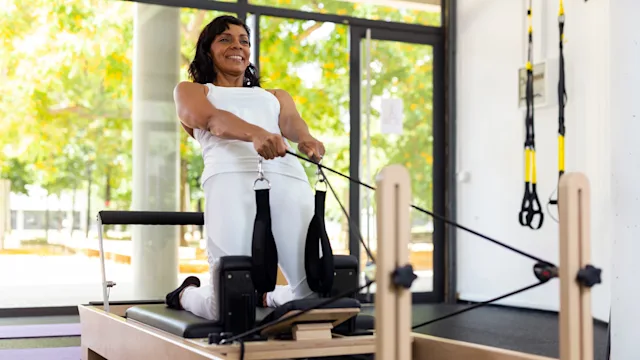
Training, working out, or hitting the gym: No matter what you call it, exercise is critical for your health and wellness. While physical activity is any movement you make with your muscles that requires energy, exercise is more specific. It's a type of physical activity that involves planned, structured, and repetitive movement.
There are plenty of reasons to add exercise to your routine. Regular exercise can:
Lower the risk of chronic diseases, including diabetes, heart disease, and cancer
Strengthen bones and muscles
Ease chronic pain
Improve memory and cognitive function
Reduce stress and improve mental health


Search and compare options
The beauty of regular exercise is that there are several options to help you stay active.
Exercise is divided into four main categories:
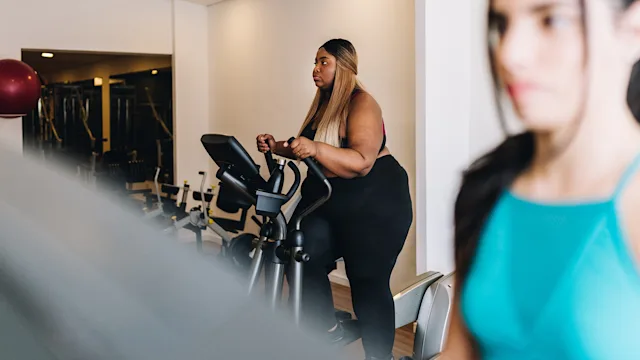
Aerobic: Aerobics or cardio increases your heart and breathing rates. Rhythmic and repetitive moves strengthen your heart and lungs and improve your fitness. Examples include running, cycling, and swimming.
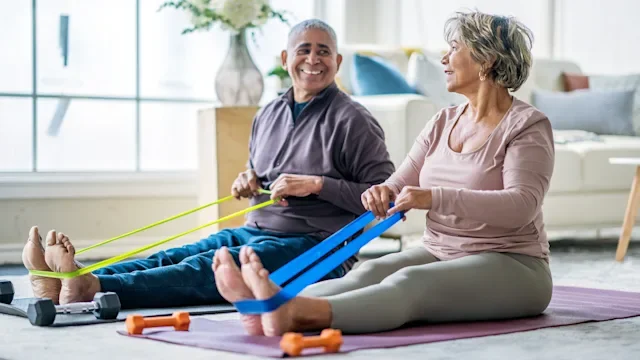
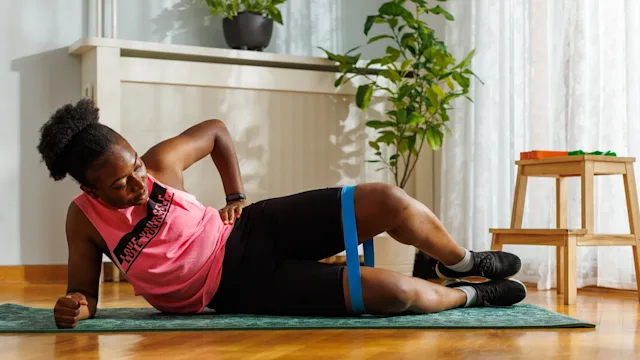
Strength: Strength training exercises use resistance to boost muscle mass, strength, and endurance. You can create resistance by lifting weights, doing bodyweight exercises like push-ups or squats, and using resistance bands.
Balance: Balance exercises often target the core and lower body to improve stability and coordination. And they can prevent falls, which is critical for older adults. Activities like tai chi, heel-to-toe-walking, and standing on one leg can improve your balance.
Flexibility: Flexibility exercises can help you maintain your mobility and lower your risk of injury. Try yoga and static and dynamic stretching for better flexibility.
You might reap some of the benefits of exercise –– like less anxiety and better sleep –– after just one workout. But routine exercise is essential for long-term health.
The CDC recommends these general exercise guidelines for people of all ages. Remember that everyone is different, so your needs may vary. The goal is to be as active as you can to support your health and well-being.
| Aerobics | Muscle strengthening | Balance | |
|---|---|---|---|
| Preschool-aged children | Physically active throughout the day | ||
| Children and adolescents | 60 minutes daily | 3 days a week | |
| Adults | 150 minutes of exercise a week | 2 or more days a week | |
| Older adults | 150 minutes of exercise a week | 2 or more days a week | 3 or more days a week |
It's tough to know where to start if you're new to fitness. Consider these tips to make movement and exercise part of your daily life.
Set short- and long-term fitness goals. The key is to make your goals as specific as possible. For example, your long-term goal might be to run a half marathon in 6 months. Your first short-term goal might be to run a mile in 4 weeks. Knowing your “why” will help keep you going on your fitness journey.
Put your workouts on your calendar. Schedule your workouts just like you would a meeting or an appointment.
Come up with a backup plan. You won't always have time to do your scheduled workouts. That's OK. Some movement is better than none. And it helps to have a plan B that allows you to squeeze in physical activity when you can.
Try not to think of exercise as a chore, and remember that safety comes first. That means starting slowly and prioritizing proper exercise form over repetition. Ask a healthcare provider for help with your fitness plan if you have a disability or chronic disease, or are new to exercise.
You don't need a gym membership to exercise. So the decision to work out at home or at a local gym depends mainly on your budget and fitness goals.
Many gyms offer classes, access to more equipment, and other amenities. You might also make friends with other gym-goers. But costly fees and large crowds can make the gym less appealing.
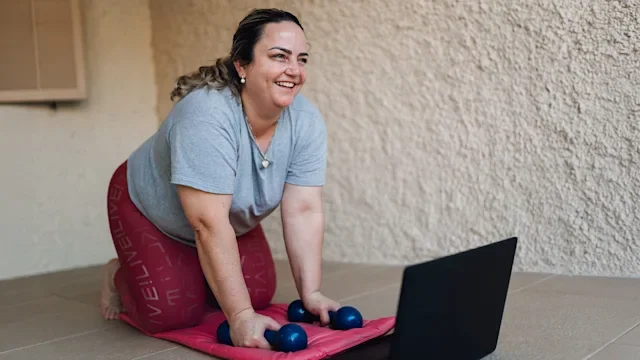
Home gyms provide convenience, privacy, and cost-effectiveness. But small spaces, limited equipment, and distractions might make this option unsuitable for some.
You don't need a gym membership to exercise. So the decision to work out at home or at a local gym depends mainly on your budget and fitness goals.
Many gyms offer classes, access to more equipment, and other amenities. You might also make friends with other gym-goers. But costly fees and large crowds can make the gym less appealing.
Home gyms provide convenience, privacy, and cost-effectiveness. But small spaces, limited equipment, and distractions might make this option unsuitable for some.
A personal trainer can teach you proper exercise form, create a customized fitness plan, and boost your motivation. This may be particularly useful if you:
Are new to exercise or returning after an injury
Need help setting fitness goals
Are training for an event
But working with a trainer can be pricey ($40 to $70 per hour). Talk to your healthcare provider first. And if you decide to hire a personal trainer, make sure they're certified and have specialties that work for you.
Yes, warming up before and cooling down after exercise is essential. It adds time to your workout, but it's worth it. A proper warmup and cooldown can:
Increase blood flow to prepare your muscles for exercise
Improve performance and lower the risk of injury
Start with a 5- to 10-minute warmup that includes dynamic stretches to get your body moving. Then, finish your workout with static stretches. A 5- to 10-minute cooldown will help slow your heart rate and start recovery.
American Council on Exercise. (n.d.). Do it better: Dynamic warm-ups.
American Heart Association. (2014). Warm up, cool down.
Prescription savings
Stop paying too much for your prescriptions. Compare prices, get pharmacy coupons, and save up to 80%. Find expert answers to your health questions so you can make the best decisions for yourself and your family.
Health conditions
Medications & treatment
Access & affordability
 Our monthly healthcare membership can help you save thousands on your prescription costs.
Resources