Key takeaways:
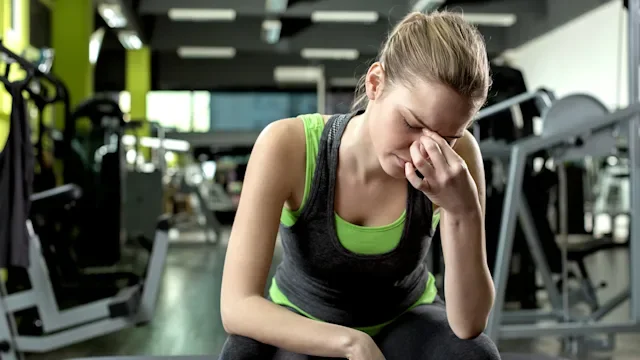
Gym anxiety is when you feel nervous or anxious about going to the gym. It’s a common experience.
Strategies like planning your workouts, going to the gym with friends, or working with a personal trainer can boost your confidence and help you manage gym anxiety.
If you have a lot of anxiety about the gym, you could be dealing with an anxiety disorder — especially if your anxiety impacts other areas of your life.
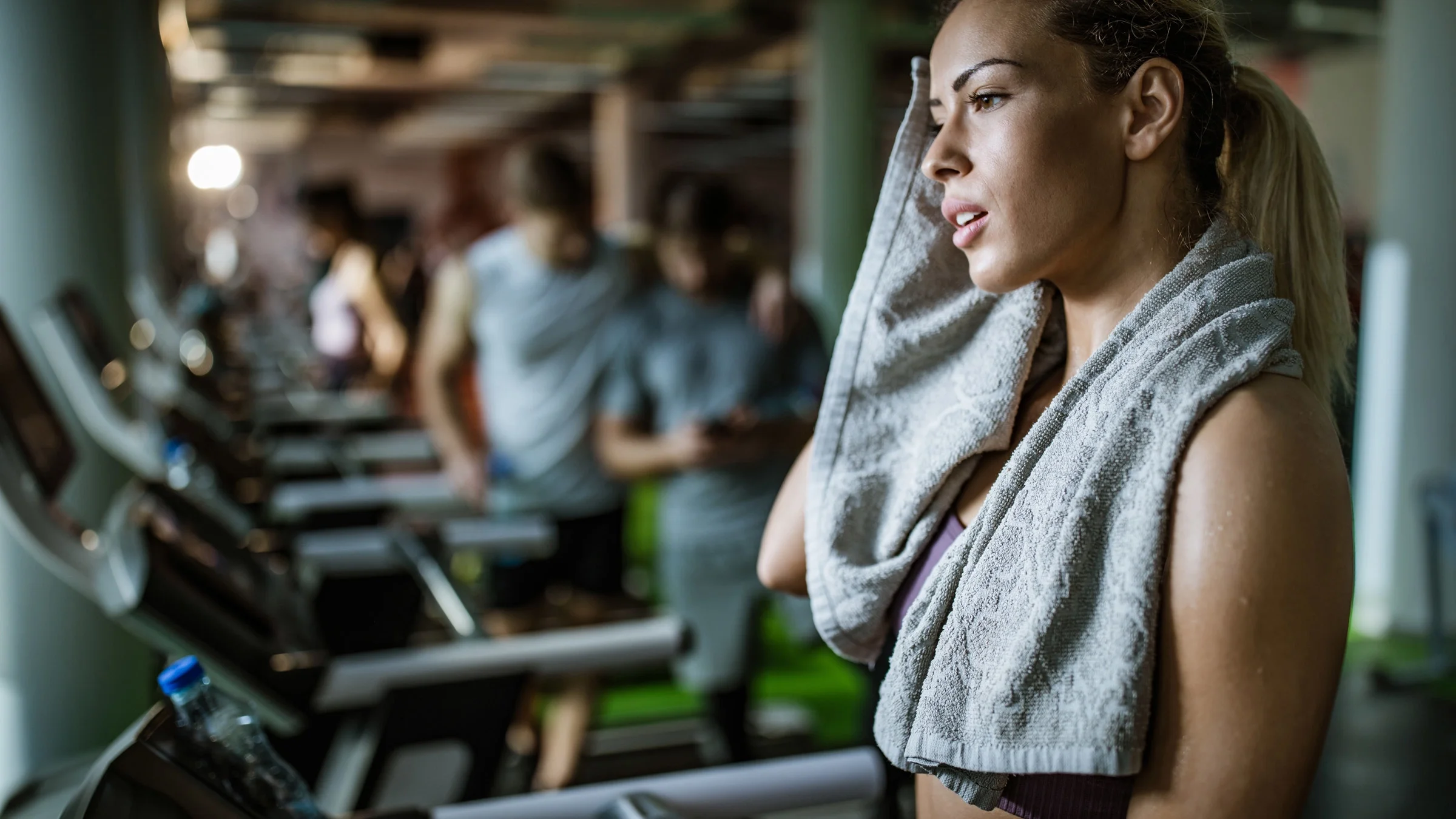
If the thought of going to the gym makes you nervous, you’re not alone. Many people experience gym anxiety, or “gymtimidation.” In fact, a recent study of about 2,000 people in the U.S. found that 1 in 2 people feel intimidated about going to the gym.
Fortunately, many strategies — from changing your habits to recruiting friends and trainers — can help you overcome gym anxiety.
What is gym anxiety?
Gym anxiety is when you feel anxious about going to the gym. It can show up before you go to the gym, while you’re there, or even after you leave.
Search and compare options
It can make you feel worried, scared, or anxious about many different things, such as:
Exercising in front of others
Your body’s shape or size
Your physical abilities
Whether you’re exercising correctly
Whether your exercise routine will be effective
How to start exercising again after a break
How to choose the “right” exercises or fitness classes
How to behave in the locker room, weight room, or fitness class
What to wear or how you look in gym clothes
Making a mistake or embarrassing yourself
Sweating in front of other people
Is gym anxiety normal?
Absolutely. Almost everyone feels anxious about everyday situations from time to time — especially in new environments. And the truth is, the gym can often be an overwhelming and uncomfortable place.
Sometimes, gym anxiety can be a sign that you’re dealing with an anxiety disorder. After all, anxiety disorders can make social situations difficult. But for most anxiety disorders, symptoms show up in multiple areas in your life — not just the gym (more on this below).
Tips to help with gym anxiety
There are several things you can do to help manage gym anxiety. First, try to identify what’s making you feel anxious about going to the gym. Getting specific will help you decide which of these 11 tips will be most helpful.
1. Be prepared
Anxiety is, in part, a fear of the unknown. Preparing ahead may help reduce your gym anxiety. Get familiar with the space by researching the facility and exercise equipment. You can also visit the gym, take a tour, and ask plenty of questions.
2. Plan your workout
As part of your preparation, plan your workout. Write down each step of your routine before you get to the gym. That way, you have a plan and can focus on your fitness goals.
3. Work with a trainer
Some gyms offer members one-on-one training sessions. A personal trainer can show you how to use the equipment properly and teach you the correct form. This may relieve some of your fears and help you build confidence.
4. Go with a friend
You may feel better going to the gym if you’re not alone. Working out with a friend can help you feel more at ease and encourage you to keep working toward your fitness goals. Consider asking a friend to join you.

Read more like this
Explore these related articles, suggested for readers like you.


5. Try a class
It might seem counterintuitive to suggest group exercise if you have gym anxiety. But instructor-led classes can help take some guesswork out of exercise. Research also suggests that fitness classes may reduce stress more than working out alone.
6. Start small
Overcoming gym anxiety — or any anxiety — is a process. Gradual, repeated exposure to the gym might help. Start small and work your way up to a full gym routine. For example, instead of aiming for a full workout, start with just 10 minutes. It might sound like a small step, but 10-minute workouts can be effective.
7. Practice positive thinking
Positive self-talk can go a long way for calming anxiety. Pay attention to your negative thoughts and work on reframing them.
For example, if you think, “I don’t know what I’m doing,” try reframing it as “I’m trying something new and doing my best.” Shifting your negative thoughts takes time, but it can help at the gym and in other areas of life.
8. Listen to music
Music can be just the thing to ease workout anxiety. It can boost your mood. One study even found that people who listened to relaxing music before a stress test had a decreased stress response.
9. Try the 3-3-3 rule for anxiety
It can be hard to cope with anxiety in the moment. But a grounding technique called the 3-3-3 rule might help. This technique focuses on three of your senses: sight, sound, and touch. Focusing on these may be able to calm your body and mind.
Here’s how to try it:
Look at your surroundings and name three things that you see.
Then, listen for and name three things that you hear.
Finally, note three physical sensations in your body.
10. Find the right gym
If you don’t feel comfortable with your current gym, think about finding one that’s a better fit. Some people prefer all-female or all-male gyms, while others like gyms with a body-inclusive or LGBTQIA-friendly reputation.
11. Hang in there!
The more you go to the gym, the easier it may become. Regular exercise can help you manage anxiety, so don’t give up. Be patient and kind to yourself. And remember to celebrate your wins along the way.
How do I know if I have gym anxiety?
If you have gym anxiety, you might notice certain patterns and symptoms. These include:
Feeling very nervous, anxious, or even scared about the gym
Avoiding thinking about the gym or overthinking about it
Avoiding going to the gym altogether
Feeling distressed or upset while you’re at the gym
Having physical symptoms like a racing heart, sweating, muscle tension, or shaking (not caused by working out)
These symptoms can show up before you go to the gym or while you’re there. For some people, even just thinking about the gym can bring on anxiety.
What causes gym anxiety?
There are many potential causes of gym anxiety. You might be more likely to experience gym anxiety or “gymtimidation,” if:
You’re a beginner: Research shows that anxiety often has to do with a fear of uncertainty. If you’re new to the gym, you may feel intimidated by the unknown, such as not knowing gym etiquette or how to use the equipment.
You’ve joined a new gym: Even if you’re used to exercising at a gym, a change of setting can cause anxiety.
You’re worried about changing in front of others: Changing clothes in a public setting can make some people uncomfortable because of physical insecurities or self-consciousness.
Your gym is crowded: Anxiety can make people want to avoid crowded spaces. For example, many people needed time to adjust to returning to the gym safely in a post-COVID world.
When should you seek help for your gym anxiety?
Situational anxiety at the gym is common. Sometimes, anxiety requires treatment from a mental health professional. This is especially true if your anxiety shows up in other areas of your life, like work, school, or home.
In some cases, gym anxiety can be connected to an underlying anxiety disorder, such as:
If anxiety is disrupting your life, including your goals of getting to the gym, you may want to reach out to a healthcare professional. They can help figure out whether you might be dealing with an anxiety disorder and connect you with the right treatment if needed.
Frequently asked questions
Consider the following tips to prevent or stop panic attacks at the gym:
Take breaks to go outside or find a quiet place when you need to reset.
Use grounding techniques, like the 3-3-3 rule, to focus on the present moment.
Practice deep breathing exercises to calm your mind and body.
Count while breathing deeply to distract yourself from panic.
Ease into new exercises or workouts to build confidence over time.
Listen to a calming playlist with soothing music while you exercise.
Stay hydrated and eat nourishing foods before and after exercise.
In some cases, frequent panic attacks may be a sign of a condition called panic disorder. If you have panic disorder, medications and therapy can help to get your panic attacks under control.
Research suggests that various exercises may calm anxiety, including:
Aerobic activities, such as walking, cycling, and rowing
Strength training, including lifting weights
There are many ways to help a friend or loved one with gym anxiety, including the following:
Let them know their feelings are common.
Tour the gym with them before their first workout.
Suggest they exercise during off-peak hours to avoid large crowds.
Help them plan their workout routine.
Offer to exercise or take a class with them.
Recommend a personal trainer.
Check in and offer encouragement.
Consider the following tips to prevent or stop panic attacks at the gym:
Take breaks to go outside or find a quiet place when you need to reset.
Use grounding techniques, like the 3-3-3 rule, to focus on the present moment.
Practice deep breathing exercises to calm your mind and body.
Count while breathing deeply to distract yourself from panic.
Ease into new exercises or workouts to build confidence over time.
Listen to a calming playlist with soothing music while you exercise.
Stay hydrated and eat nourishing foods before and after exercise.
In some cases, frequent panic attacks may be a sign of a condition called panic disorder. If you have panic disorder, medications and therapy can help to get your panic attacks under control.
Research suggests that various exercises may calm anxiety, including:
Aerobic activities, such as walking, cycling, and rowing
Strength training, including lifting weights
There are many ways to help a friend or loved one with gym anxiety, including the following:
Let them know their feelings are common.
Tour the gym with them before their first workout.
Suggest they exercise during off-peak hours to avoid large crowds.
Help them plan their workout routine.
Offer to exercise or take a class with them.
Recommend a personal trainer.
Check in and offer encouragement.
The bottom line
Gym anxiety is a common experience. Fortunately, there are many things you can do to help keep your gym anxiety under control. Consider exercising with a friend or a personal trainer, or listening to music during your workout.
Gym anxiety may also be a sign of an anxiety disorder. So, if you’re not able to manage your symptoms on your own — or it’s affecting other areas of your life — reach out to a healthcare professional for help. And remember: Exercise itself can also help keep your anxiety under control, so it’s worth it to hang in there.

Why trust our experts?




References
Adult Mental Health.org. (2017). Managing and reducing anxiety.
Ahmed, M. M. H., et al. (2017). Understanding the role of human senses in interactive meditation. Proceedings of the 2017 CHI Conference on Human Factors in Computing Systems.
Boswell, J. F., et al. (2014). Intolerance of uncertainty: A common factor in the treatment of emotional disorders. Journal of Clinical Psychology.
Carleton, R. N. (2016). Fear of the unknown: One fear to rule them all? Journal of Anxiety Disorders.
Castonguay, A. L., et al. (2014). Body-related self-conscious emotions relate to physical activity motivation and behavior in men. American Journal of Men’s Health.
Centers for Disease Control and Prevention. (2024). Get active.
Frederick, C. M., et al. (1996). Social physique anxiety: Personality constructs, motivations, exercise attitudes, and behaviors. Perceptual and Motor Skills.
Gordon, B. R., et al. (2020). Resistance exercise training for anxiety and worry symptoms among young adults: A randomized controlled trial. Scientific Reports.
Henriksson, M., et al. (2022). Effects of exercise on symptoms of anxiety in primary care patients: A randomized controlled trial. Journal of Affective Disorders.
Kahn, J. H., et al. (2021). Regulating sadness: Response-independent and response-dependent benefits of listening to music. Psychology of Music.
Jayakody, K., et al. (2022). Exercise for anxiety disorders: Systematic review. British Journal of Sports Medicine.
Kruisselbrink, L. D., et al. (2004). Influence of same-sex and mixed-sex exercise settings on the social physique anxiety and exercise intentions of males and females. Journal of Sport and Exercise Psychology.
Office of Disease Prevention and Health Promotion. (2024). Manage stress. U.S. Department of Health and Human Services.
Rosa, A. O. L., et al. (2020). Keep your (social) distance: Pathogen concerns and social perception in the time of COVID-19. Personality and Individual Differences.
Thoma, M. V., et al. (2013). The effect of music on the human stress response. Public Library of Science One.
Valerio, R. (2019). Fitness industry roundup: ‘Gym-timidation’ is real. Health and Fitness Association.
Walden University. (n.d.). How positive self-talk can make you feel better and be more productive.
Yorks, D. M., et al. (2017). Effects of group fitness classes on stress and quality of life of medical students. Journal of the American Osteopathic Association.