Key takeaways:
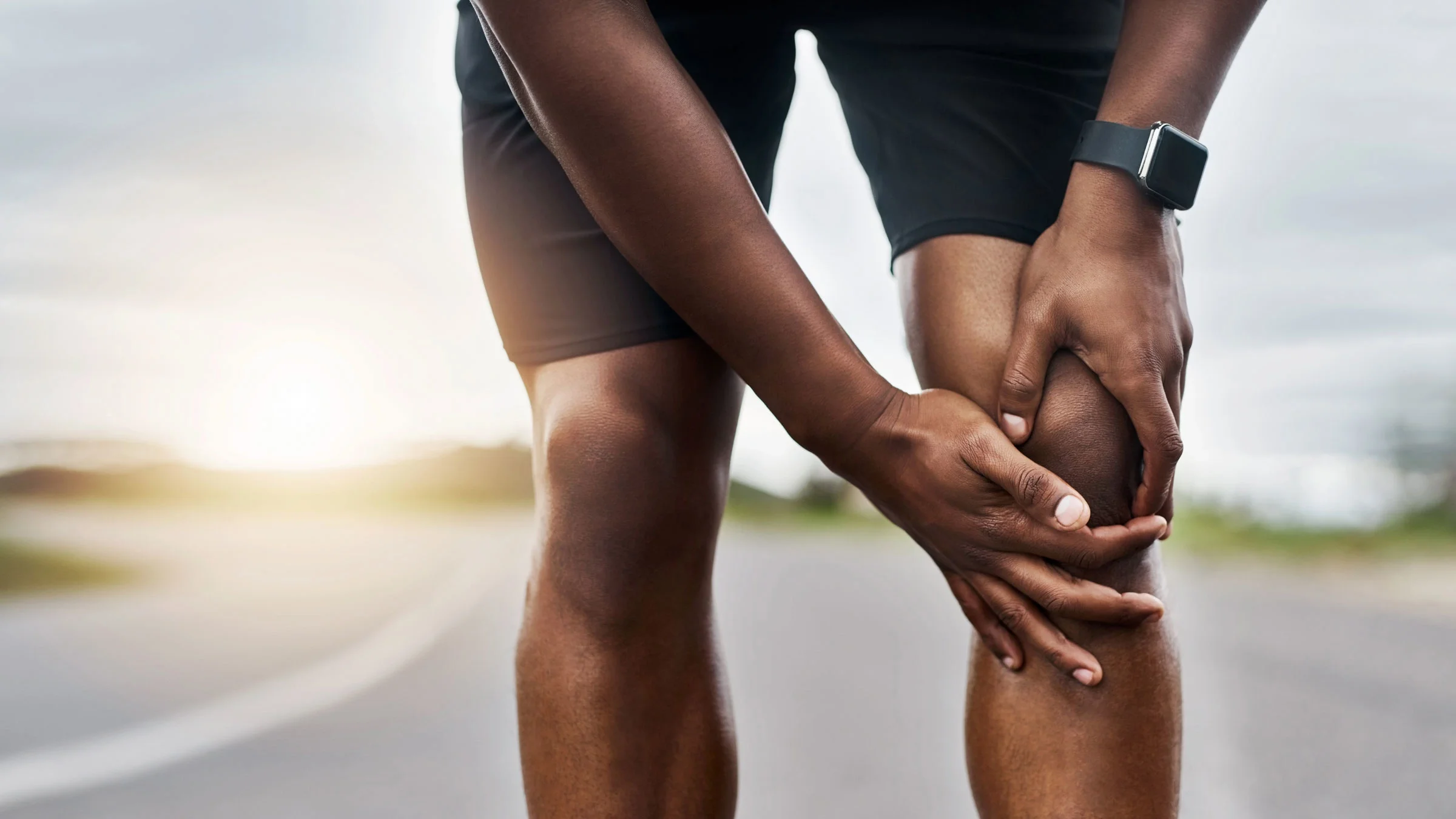
Runner's knee, or patellofemoral pain syndrome, refers to pain in the front of the knee or around the kneecap.
Overuse or a misaligned kneecap may cause the condition.
There are many ways to treat runner's knee and prevent it from happening again.
Runner's knee, or patellofemoral pain syndrome (PFPS), is a frequent cause of knee pain.
PFPS is the most common running-related injury. It's more common in:
Athletes
Women
Teens
Adults under 60
Search and compare options
But even though it's more common in these groups, anyone can develop runner's knee.
Fortunately, there are science-backed ways to treat and prevent it.
What does runner’s knee pain feel like?
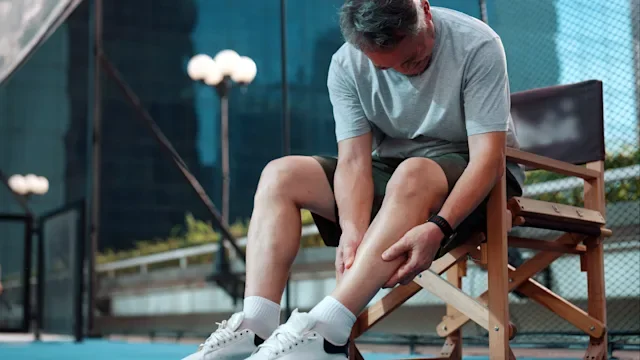
Typically, patellofemoral pain syndrome (PFPS) causes pain in or around the front of the knee. More specifically, the soreness occurs between the knee cap (patella) and the lower part of the thigh bone (femur).
When you have runner's knee, it may feel like a dull ache. The pain may develop gradually and occur or intensify with activity, limiting your range of motion. You might also notice that the soreness is widespread across the front of your knee, making it hard to pinpoint one spot or source of pain.
Symptoms of runner's knee –– which can affect one or both knees at the same time –– include:
Knee pain during exercise and activities that bend or flex the knee, like running or jumping
Knee pain after sitting for prolonged periods
Knee pain after new or higher-intensity exercise
A popping or cracking sound when you move your knee

Read more like this
Explore these related articles, suggested for readers like you.

What causes runner’s knee?
Overuse and knee cap misalignment are common causes of runner's knee. Repetitive strain or overuse can happen with activities –– such as cycling, squatting, and going up or down stairs –– that repeatedly stress your knees.
Misalignment, on the other hand, is a bit more complex. When you bend and straighten your knee, the patella slides up and down the trochlear groove at the end of the femur. But when your patella is misaligned, it moves abnormally in this groove, rubbing against surrounding bone and soft tissue. As a result, you may feel pain in the front of your knee.
Some people with runner's knee may also have damaged cartilage under their knee cap. This softening or breakdown of cartilage is called chondromalacia patella. Although runner’s knee and chondromalacia patella can overlap, they are different. This is worth noting because some people use the terms interchangeably.
Researchers aren't sure why some people develop runner's knee while others do not. But additional factors that may cause or contribute to runner's knee include:
Imbalances, weakness, or tightness in lower-extremity muscles around the knee, such as the quadriceps or hamstrings
Improper exercise or running form
Weight gain, which increases pressure on your knees
Unstable or abnormal muscle or joint movement
Hip, ankle, or foot misalignment
Falls or other acute injuries
If you have pain consistent with runner's knee, and one or more of the above risk factors, you may want to see your healthcare provider. They can provide a proper diagnosis and rule out other possibilities.
How do you treat runner’s knee?
While there is no magic cure for runner's knee, there are several treatment options. Both home remedies and medical treatment can help reduce pain and improve strength and mobility. But talk to your healthcare provider before trying any treatments.
Rest: This may seem obvious, but it's essential to rest your knee and avoid any activities that make the pain worse. When you rest your knee, try elevating your leg as well.
Medications: Over-the-counter NSAIDs like ibuprofen and naproxen may help ease runner's knee symptoms. But talk to your healthcare provider before taking these medications to relieve knee pain.
Taping: Studies show that kinesiology taping may shift the knee cap and reduce the pain. And less knee pain can make it easier to participate in rehabilitation exercises.
Orthotics: Orthotics or supportive shoe inserts may help stabilize muscles in your lower leg and reduce knee pain. Runners with the condition might benefit from orthotics, especially if they overpronate. Overpronation means that the arches of your feet roll in or down when you walk or run.
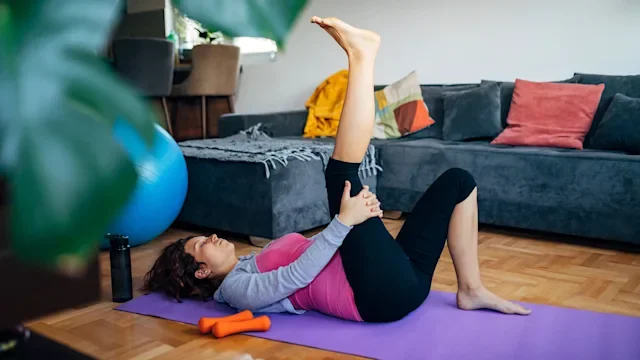
Strengthening exercises and other physical therapies: Certain exercises can improve your range of motion and strengthen your core and leg muscles that support your knees. This includes stretching and strengthening moves that target your quadriceps and hip adductor muscles. And stronger muscles can help reduce knee pain. A physical therapist can recommend safe exercises for knee pain and other interventions for rehabilitation.
Can you still run if you have runner’s knee?
It depends on the severity of your symptoms. If you have mild runner's knee pain, you might still be able to keep running. But the key is to stick to shorter distances and run a bit more slowly. Remember to focus on proper running form to reduce strain on your knees. You may want to avoid hill running, take smaller steps, and take frequent walking breaks.
How do you prevent runner’s knee from coming back?
Simple treatments and physical therapy typically resolve runner's knee. But it's essential to maintain good practices –– like wearing supportive shoes –– even after you feel better. Consider making your rehabilitation exercises part of your fitness routine for long-term knee pain relief. Gait retraining with a physical therapist may also improve the way you walk and run (gait).
Finally, be sure to increase your training load slowly and give yourself plenty of rest and recovery time between training sessions. These practices can help you prevent runner's knee from happening again.
The bottom line
Runner's knee can be a frustrating source of knee pain, especially in active people. Luckily, there are many options to relieve the pain and improve your strength and range of motion. You can make some runner's knee treatments –– like stretching and strengthening exercises –– part of your routine. That way, you can get back to the activities you love and maintain your active lifestyle for the long run.
References
Aminaka, N., et al. (2008). Patellar taping, patellofemoral pain syndrome, lower extremity kinematics, and dynamic postural control. NATA Journals.
Benca, E., et al. (2020). Analysis of running-related injuries: The Vienna study. Journal of Clinical Medicine.
Clifford, A. M., et al. (2020). The effects of McConnell patellofemoral joint and tibial internal rotation limitation taping techniques in people with patellofemoral pain syndrome. Gait & Posture.
Davis, I. S., et al. (2020). Gait retraining as an intervention for patello femoral pain. Current Reviews in Musculoskeletal Medicine.
Deng, F., et al. (2022). Tibial internal and external rotation taping for improving pain in patients with patellofemoral pain syndrome. Journal of Science and Medicine in Sport.
Derasari, A., et al. (2010). McConnell taping shifts the patella inferiorly in patients with patellofemoral pain: A dynamic magnetic resonance imaging study. Physical Therapy & Rehabilitation Journal.
Dixit, S., et al. (2007). Management of patellofemoral pain syndrome. American Family Physician.
Esculier, J-F., et al. (2016). Effects of rehabilitation approaches for runners with patellofemoral pain: Protocol of a randomised clinical trial addressing specific underlying mechanisms. BMC Musculoskeletal Disorders.
Gaitonde, D. Y., et al. (2019). Patellofemoral pain syndrome. American Family Physician.
Habusta, S. F., et al. (2022). Chondromalacia patella. StatPearls.
Heintjes, E. M., et al. (2004). Pharmacotherapy for patellofemoral pain syndrome. The Cochrane Database of Systematic Reviews.
Hossain, M., et al. (2011). Foot orthoses for patellofemoral pain in adults. The Cochrane Database of Systematic Reviews.
InformedHealth.org. (2020). Patellofemoral pain syndrome: (runner’s knee): How can you relieve pain at the front of the knee?.
InformedHealth.org. (2020). Patellofemoral pain syndrome (runner’s knee): Overview.
Johnston, T. E., et al. (2017). The influence of extrinsic factors on knee biomechanics during cycling: A systematic review of the literature. International Journal of Sports Physical Therapy.
Kannus, P., et al. (1999). An outcome study of chronic patellofemoral pain syndrome. Seven-year follow-up of patients in randomized, controlled trial. Journal of Bone and Joint Surgery.
Kim, C., et al. (2022). Effects of patellofemoral pain syndrome on changes in dynamic postural stability during landing in adult women. Applied Bionics and Biomechanics.
Lobo, P., et al. (2018). Clinical muscular evaluation in patellofemoral pain syndrome. Acta Ortopédica Brasileira.
Mellinger, S., et al. (2019). Evidence based treatment options for common knee injuries in runners. Annals of Translational Medicine.
Rodrigues, P., et al. (2013). Medially posted insoles consistently influence foot pronation in runners with and without anterior knee pain. Gait & Posture.
Rodrigues, P., et al. (2013). Runners with anterior knee pain use a greater percentage of motion. Journal of Applied Biomechanics.
Saxena, V. (2020). What are common knee injuries from running? Temple Health.
Sisk, D., et al. (2019). Update of risk factors, diagnosis, and management of patellofemoral pain. Current Reviews in Musculoskeletal Medicine.
Willy, R. W., et al. (2019). Patellofemoral pain. Journal of Orthopaedic Sports Physical Therapy.

Why trust our experts?