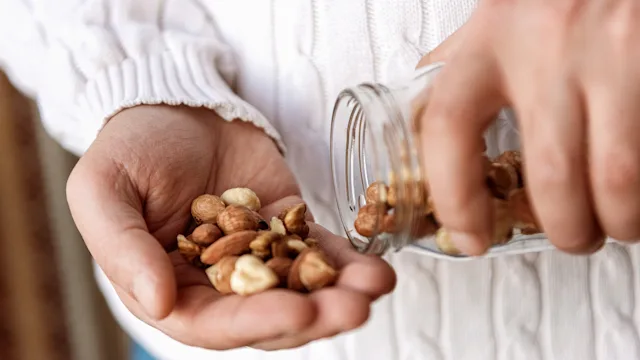
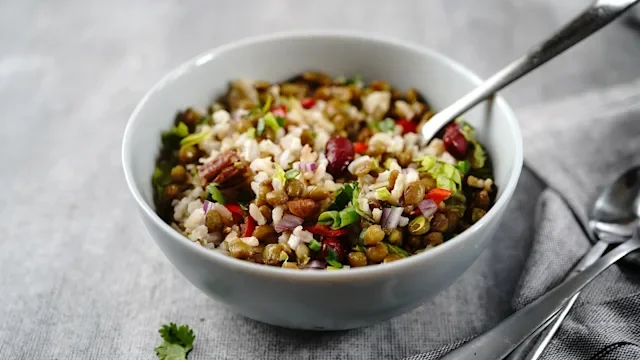
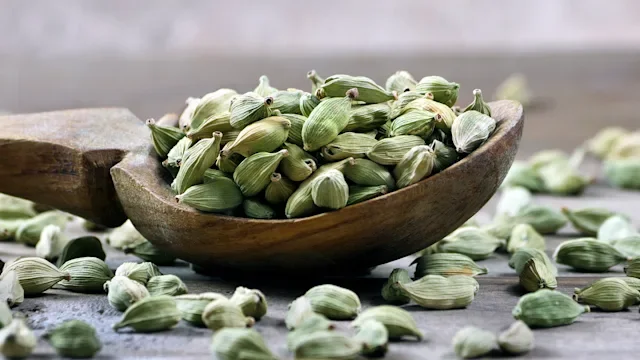
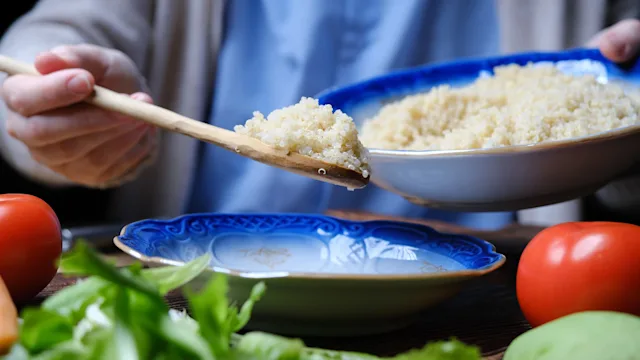
Many people choose to eat spicy food because they enjoy the fiery sensation, but in this video, find out if spicy food has any nutritional benefits.
References
Aggarwal, D., et al. (2015). Dietary practices in patients with inflammatory bowel disease-food for thought. BMJ.
Anand, P., et al. (2011). Topical capsaicin for pain management: therapeutic potential and mechanisms of action of the new high-concentration capsaicin 8% patch. British Journal of Anaesthesia.
Deng, Y., et al. (2017). Capsaicinoids enhance metabolic rate in normal healthy individuals using a novel metabolic tracker breezing device – an open label placebo controlled acute study. Obesity: Open Access.
Juturu, V. (2016). Capsaicinoids modulating cardiometabolic syndrome risk factors: current perspectives. Journal of Nutrition and Metabolism.
Kang, C., et al. (2016). Healthy subjects differentially respond to dietary capsaicin correlating with specific gut enterotypes. Journal of Clinical Endocrinology & Metabolism.
Lv, J., et al. (2015). Consumption of spicy foods and total and cause specific mortality: population based cohort study. BMJ.
Marcum, Z. A., et al. (2016). Pharmacotherapies in geriatric chronic pain management. Clinics in Geriatric Medicine.
Othman, Z. A. A., et al. (2011). Determination of capsaicin and dihydrocapsaicin in Capsicum fruit samples using high performance liquid chromatography. Molecules.
Rosca, A. E., et al. (2020). Capsaicin and gut microbiota in health and disease. Molecules.
Spahn, J. M., et al. (2019). Influence of maternal diet on flavor transfer to amniotic fluid and breast milk and children’s responses: a systematic review. The American Journal of Clinical Nutrition.
Qin, Y., et al. (2017). Capsaicin supplementation improved risk factors of coronary heart disease in individuals with low HDL-C levels. Nutrients.
Zheng, J., et al. (2017). Dietary capsaicin and its anti-obesity potency: from mechanism to clinical implications. Bioscience Reports.

Why trust our experts?