Key takeaways:
While there’s no proven “fertility diet,” some foods are linked to improved fertility.
Foods that may boost fertility include whole grains, fruits, vegetables, and healthy fats.
Cutting down on sugar, alcohol, and processed foods can also potentially help when you’re trying to conceive.
Low fertility is common in both men and women. It affects about 1 in 6 people worldwide. And, of course, if you’re hoping for a baby you might be wondering: Is there anything I can do to boost my fertility?
Even though there’s no special “diet” that’s proven to enhance fertility, nutrition still matters. And there are actually some foods that may give your fertility a helping hand. Let’s take a closer look at why diet matters, as well as six food groups to enjoy when you’re trying to conceive.
What’s the best fertility diet?
Contrary to popular belief, there’s no standard diet that’s guaranteed to improve your fertility.
But even though there’s no proven fertility diet, what you eat still matters. Certain foods can potentially help increase your chances of getting pregnant, while others can have the opposite effect. This is true for both men and women. And overall, your best bet seems to be to stick to nutritious foods.
How does your food affect fertility?
Food can affect how your body functions. It can also increase or lower bodywide inflammation, as well as your risk for certain health conditions. All of these are linked to your reproductive health and your ability to conceive.
Food can affect your body weight as well, which can also impact your fertility. In fact, keeping a balanced weight may matter more than any one type of food, because being very underweight or overweight can make it harder to have a baby.
6 foods to eat that boost fertility
Here are six foods that may be able to help both men and women boost their fertility.
1. Whole grains
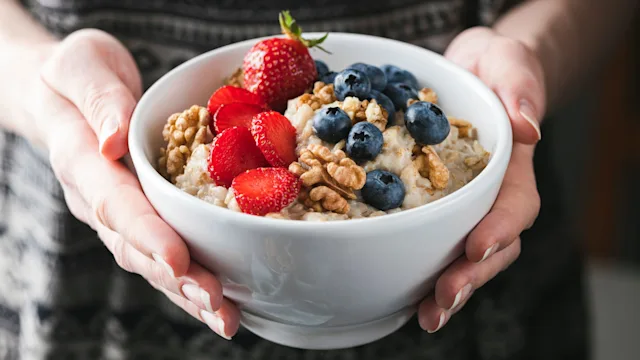
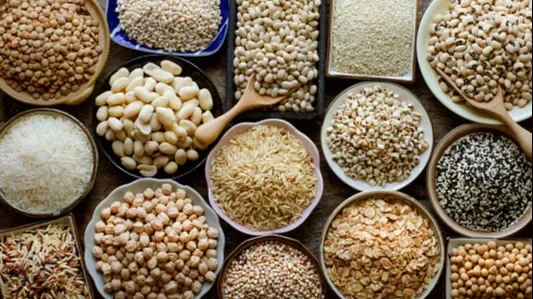
Whole grains are plant-based foods that are made from the entire grain, meaning they’re less processed and refined. Examples include:
Whole wheat
Quinoa
Oats
Brown rice
Whole grains are great sources of many important nutrients for fertility, including magnesium, zinc, and fiber. They also offer some types of antioxidants, which can help preserve fertility. And the fiber found in whole grains helps stabilize blood sugar and prevent insulin resistance, which can affect fertility too.
One study also showed that women who ate more whole grains before undergoing in vitro fertilization (IVF) had a better chance of having a live birth than women who ate less.
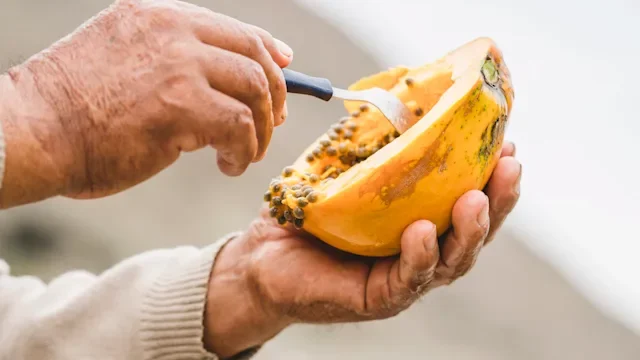
2. Whole fruit
Whole fruit has many nutrients, like antioxidants, potassium, and fiber. Examples of highly nutritious fruits include berries, oranges, and apples.

Read more like this
Explore these related articles, suggested for readers like you.


One study done on women in the UK, Australia, and New Zealand reported that women took longer to become pregnant if they ate fruit less than 1 to 3 times a month compared to those who ate it more often.
The antioxidants in fruit can also help protect against oxidative stress, which can harm fertility in both males and females. Antioxidants may also improve sperm quality in men.
3. Vegetables
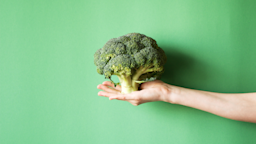
Vegetables — such as asparagus, broccoli, and carrots — provide a great source of many key nutrients, including folate, vitamin A, and vitamin K. Most vegetables are also high in dietary fiber, which supports a healthy gut microbiome, helps control blood sugar, and may have fertility benefits.
4. Foods high in unsaturated fats
Unsaturated fats are a healthy type of fat. They’re found in:
Nuts and seeds
Olives and olive oil
Avocados and avocado oil
Vegetable oils, such as soybean, safflower, and canola oil
Fatty fish, such as sardines, tuna, and salmon
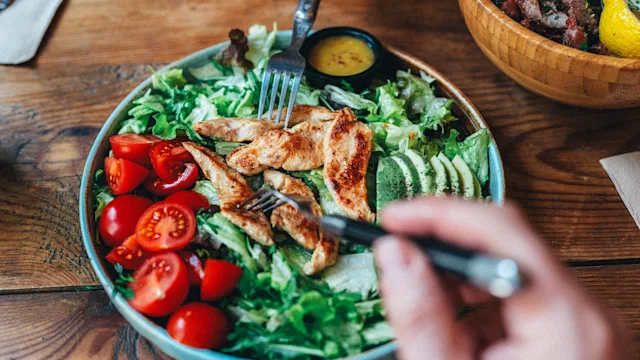
There’s some evidence that these healthy fats are linked to an improved chance of conceiving for both men and women. In women, healthy fats may calm inflammation in the body. This can potentially help with ovulation and conception. And in men, these fats may help sperm swim better by making them more soft and bendable.
5. Salmon
Fatty fish — like salmon, tuna, and sardines — is naturally rich in omega-3 fatty acids, which are a type of unsaturated fat.
There’s some evidence that fish, along with other staples of a Mediterranean diet, might help people going through IVF become pregnant. Also, it’s possible that foods rich in omega-3s improve sperm quality.
6. Beans and lentils
Beans and lentils are a great source of plant-based protein. There’s a small amount of evidence that eating more nutritious, plant-based protein can help with fertility — though there are no proven fertility benefits to going completely vegetarian.
Beans and lentils are also full of fiber, folate, and antioxidants. This can lower inflammation and stress inside the body, which helps to keep eggs and sperm healthy.
What foods should you avoid if you’re trying to boost fertility?
There are no foods you have to completely avoid if you’re trying to conceive. But there are some eating patterns that are linked to lowered fertility.
These include diets that are high in:
Excess sugar: This includes foods like high-sugar desserts, candy, and sweetened beverages. Sugar has a high glycemic index, meaning it raises your blood sugar fast and high. Eating too much sugar can lead to negative health outcomes like insulin resistance, high cholesterol, and oxidative stress, all of which affect fertility.
Refined grains: Refined grains are grains that have been heavily processed. This means a lot of the nutrients have been removed. Examples include products made with white flour, like breakfast cereals, pasta, and many snack foods. There’s evidence that eating a lot of refined grains may affect your blood sugar level and your fertility.
Animal proteins: Consuming a lot of animal protein, specifically red and processed meats, may indirectly affect fertility. This is because eating a lot of animal protein can increase your risk of conditions that affect fertility, like Type 2 diabetes and polyendocrine metabolic ovarian syndrome (PMOS) — formerly called polycystic ovary syndrome (PCOS).
Trans fats: Trans fats are the least healthy types of fat. They’re linked to greater inflammation and may affect fertility. They’re found in fried foods, baked goods, and ultra-processed foods.
Alcohol: Alcohol can be risky to your unborn baby after you conceive. But it’s also linked to lower pregnancy rates in both men and women. It can decrease egg quality and affect sperm health.
Do vitamins or supplements help with fertility?
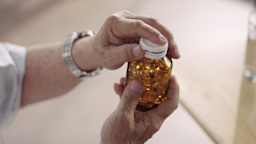
It’s always best to try to get most of your nutrients from whole food sources. But supplements can sometimes also help. Options that may help with fertility include:
Prenatal vitamin: A woman’s body needs higher amounts of nutrients to become and stay pregnant. Folic acid is especially essential, which is why all people who could potentially become pregnant should take 400 mcg to 800 mcg of folic acid daily (or higher for some individuals).
Omega-3 supplement: In a recent study, omega-3 fatty acid supplements were associated with higher likelihood of pregnancy following IVF.
Vitamin E: Some experts recommend short-term vitamin E supplements for some men with fertility problems.
As with all vitamins and supplements, be sure to talk with a healthcare professional before starting one. They can help you understand the potential risks and benefits, as well as whether it’s safe to try.
When to see a doctor about diet and infertility
In some cases, changing your diet or lifestyle can make a significant impact on your fertility health and help prevent or treat infertility. But there can be many other causes of infertility as well that may or may not be able to be solved with diet alone.
If you’ve been unable to become pregnant after trying for a while, have irregular periods, or have a history of medical conditions that affect fertility, talk with a healthcare professional. They can help run tests, do physical exams, and help you recommend a plan of action.
Frequently asked questions
You’re not necessarily less fertile after a miscarriage. In fact, it’s possible to get pregnant again as soon as 2 weeks after a miscarriage.
If you’ve had multiple miscarriages, check in with a healthcare professional. In some cases, testing can be done to see if there’s an underlying cause that’s affecting your pregnancies.
The cost of in vitro fertilization (IVF) is often $15,000 or more per cycle. Costs can vary based on what’s included in your treatment plan, what medications you need, and what fertility center you choose.
No, birth control pills (oral contraception) don't typically make it harder to conceive once you stop taking them.
The bottom line
Your fertility is important, especially when you’re trying to conceive. While there’s no exact diet that’s best for fertility, changing what you eat may help improve your fertility and benefit your health overall.
And remember: Checking in with a healthcare professional is always a great first step. They can help you make healthy choices that can support you while you’re trying to conceive — as well as during pregnancy and beyond.

Why trust our experts?




References
Ahmadi, S., et al. (2016). Antioxidant supplements and semen parameters: An evidence based review. International Journal of Reproductive Biomedicine.
Alesi, S., et al. (2022). Anti-inflammatory diets in fertility: An evidence review. Nutrients.
American College of Obstetricians and Gynecologists. (2025). Early pregnancy loss.
American Society for Reproductive Medicine. (2021). Optimizing natural fertility: A committee opinion. Fertility and Sterility.
de Ligny, W., et al. (2026). Antioxidants for male subfertility. Cochrane Database of Systematic Reviews.
Falsig, A., L., et al. (2019). The influence of omega-3 fatty acids on semen quality markers: A systematic PRISMA review. Andrology.
Gaskins, A. J., et al. (2016). Maternal whole grain intake and outcomes of in vitro fertilization. Fertility and Sterility.
Grieger, J. A., et al. (2018). Pre-pregnancy fast food and fruit intake is associated with time to pregnancy. Human Reproduction.
Lai, J. S., et al. (2026). Preconception dietary patterns and time-to-conception in the high-income multi-country. Nutrition Journal.
Office on Women's Health. (2025). Weight, fertility, and pregnancy. U.S. Department of Health & Human Services.
Panth, N., et al. (2018). The influence of diet on fertility and the implications for public health nutrition in the United States. Frontiers in Public Health.
Schipper, M. C., et al. (2025). Dietary intake of polyunsaturated fatty acids, their food sources and fertility in females and males: A preconception prospective population-based cohort study. The American Journal of Clinical Nutrition.
Skoracka, K., et al. (2021). Female fertility and the nutritional approach: The most essential aspects. Advances in Nutrition.
Smits, R. M., et al. (2018). Antioxidants in fertility: Impact on male and female reproductive outcomes. Fertility and Sterility.
Stanhiser, J., et al. (2022). Omega-3 fatty acid supplementation and fecundability. Human Reproduction.
U.S. Preventive Services Task Force, et al. (2023). Folic acid supplementation to prevent neural tube defects: US Preventive Services Task Force recommendation statement. JAMA.
Vujkovic, M., et al. (2010). The preconception Mediterranean dietary pattern in couples undergoing in vitro fertilization/intracytoplasmic sperm injection treatment increases the chance of pregnancy. Fertility and Sterility.
World Health Organization. (2023). 1 in 6 people globally affected by infertility.