Key takeaways:
Vitamin B2 is a water-soluble vitamin that plays an important role in your body’s metabolism.
Good sources of vitamin B2 include meat, dairy, fortified grains, and mushrooms.
Because of the abundance of food sources of vitamin B2, deficiency in healthy adults is very rare. Most people don’t need a supplement.
People who are vegan or vegetarian, pregnant, or breastfeeding should take extra care to include good sources of vitamin B2.
Save on related medications
People are paying more attention to the B vitamins because of their impact on energy levels. They’re often referred to as the B complex, which includes eight water-soluble vitamins.This means your body doesn’t store them, and so you need to eat them daily.
The B vitamins are grouped together because they all act as coenzymes in the body. This means they help other essential reactions to take place. In this article, we shine the spotlight on vitamin B2, also known as riboflavin.
Why is vitamin B2 important?
Vitamin B2 was discovered in the late 1800s when scientists first became curious about the light yellow pigment. Several decades later, they realized this was because of vitamin B2.
Similar to the other B vitamins, vitamin B2 acts as a coenzyme in the body. It helps your body carry out chemical reactions in many important processes every day. These include:
Breakdown of food for energy
Metabolism of medications
Protection from cell damage
Red blood cell production
Growth and development
Foods high in vitamin B2
Vitamin B2 is naturally found in most animal products including meat, poultry, fish, and dairy. It’s also found in some plant foods, such as fortified grains, leafy greens, mushrooms, and some nuts. Below we highlight five foods particularly high in vitamin B2.
Food source | Milligrams of vitamin B2 | Daily value (%) |
|---|---|---|
Fortified oats (1 cup) | 1.1 | 85% |
Yogurt | 0.46 | 46% |
Beef | 0.4 | 31% |
Mushrooms | 0.39 | 15% |
Almonds | 0.3 | 23% |
Enriched pasta (½ cup) | 0.25 | 8% |
Fortified wheat bread (1 slice) | 0.1 | 8% |
1. Fortified oats and cereal
Starting in the 1940s, food manufacturers began adding B vitamins to corn, wheat, and rice products to prevent nutritional deficiencies. Now, it’s common to find vitamin B2 in the following foods (along with other nutrients like iron and folate):
Hot cereals
Cold cereals
Snacks like granola bars
Oats
Grains
If you’re curious if a food product has been fortified with vitamin B2, check the ingredients list. It will be listed as either riboflavin or vitamin B2. You’ll also be able to find it as an item on the nutrition facts panel. But it’s important to note that the FDA doesn’t require that vitamin B2 is listed on the food label unless it’s added to a food.
The nutrition facts panel will list the amount found in one serving. Here a few examples:
A half cup of enriched pasta provides 0.25 mg of vitamin B2 (15% of the daily value).
One packet of hot cereal provides 0.59 mg of vitamin B2 (35% of the daily value).
One slice of wheat bread provides 0.25 mg of vitamin B2 (20% of the daily value).
2. Yogurt and milk
Both yogurt and milk are excellent sources of vitamin B2. In fact, one of the reasons milk and yogurt are often sold in opaque containers is because vitamin B2 is light sensitive.

Read more like this
Explore these related articles, suggested for readers like you.




To compare:
One cup of yogurt provides 0.46 mg of vitamin B2 (46% of the daily value).
One cup of cow’s milk provides 0.42 mg of vitamin B2 (38% of the daily value).
The amount of vitamin B2 in yogurt is consistent across fat levels and yogurt types. It’s important to note that soy or coconut yogurts are not a good source of vitamin B2.
3. Beef
A lean cut of beef — like beef tenderloin — can provide a lot of important nutrients. For someone looking to boost their B vitamin intake, beef is an excellent source. The tenderloin provides 0.4 mg of vitamin B2 (31% of the daily value). It’s also a good source of high-quality protein, as well as other B vitamins and nutrients like iron.
If you don’t eat beef, 4 oz of ground chicken provides 0.27 mg of vitamin B2 (21% of the daily value).
4. Almonds
Almonds are little nutritional superstars providing a lot of high-quality nutrients. A handful of almonds provides 0.3 mg (23% of the daily value) of vitamin B2. Of note, store almonds in a dark and cool pantry to avoid any breakdown of the high-quality nutrients like vitamin B2.
Macadamia nuts are also a good source of vitamin B2.
5. Mushrooms
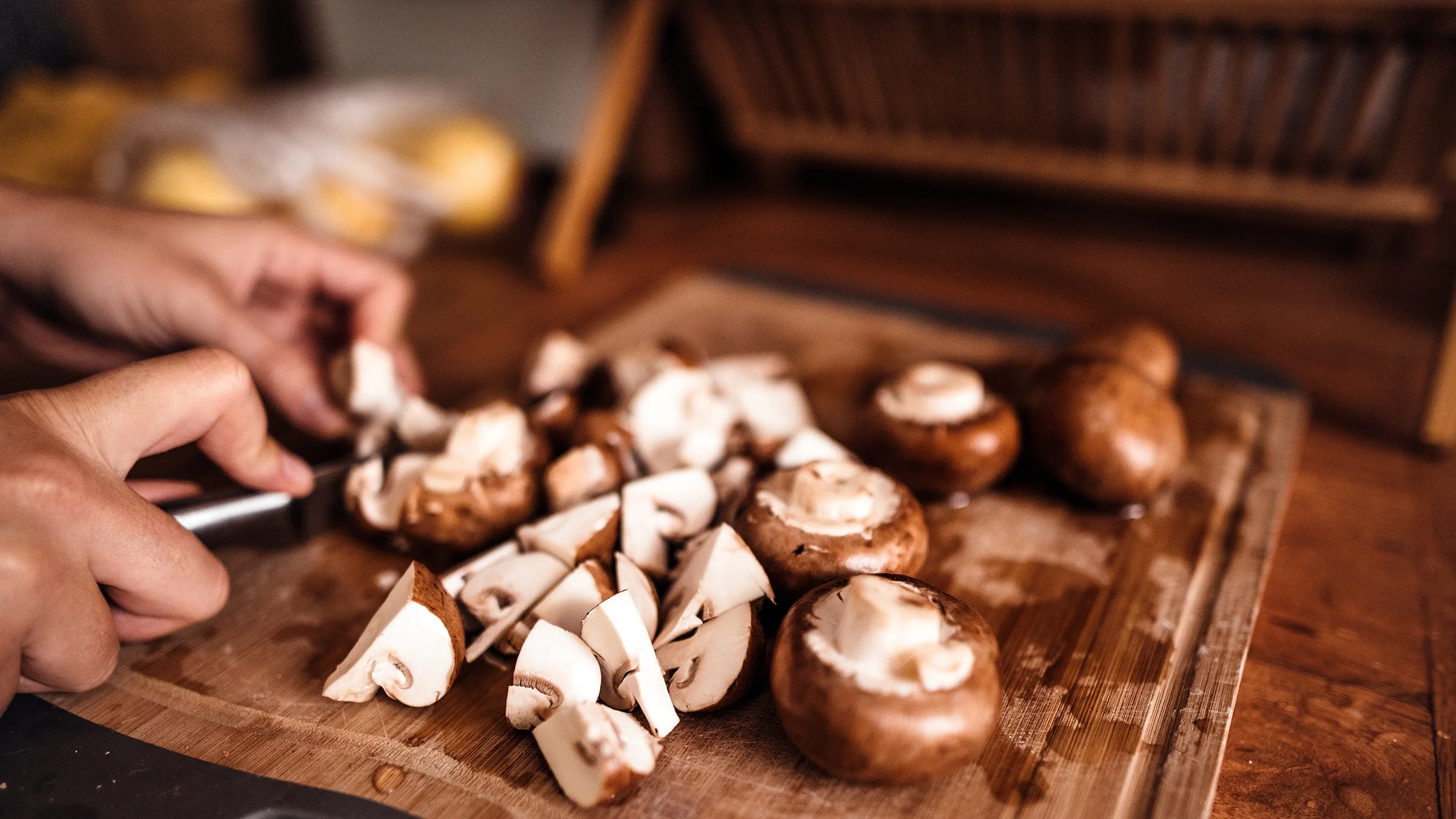
Mushrooms are one of the plant sources that provide the highest amounts of vitamin B2 and vitamin D. There are many different varieties of mushrooms, each with their own flavors and textures. They make great additions to pastas, soups, burgers, and chili.
Five crimini mushrooms provide 0.39 mg of vitamin B2 (30% of the daily value). White button mushrooms and portobello mushrooms provide similar levels of vitamin B2.
How much vitamin B2 do you need?
If you eat a balanced diet, you’re likely getting enough vitamin B2.
Health experts recommend the following amounts per day:
Children 1-3 years old: 0.5 mg/day
Children 4-8 years old: 0.6 mg/day
Children 9-13 years old: 0.9 mg/day
Adult men: 1.3 mg/day
Adult women: 1.1 mg/day.
Women who are pregnant or lactating: 1.4-1.6 mg/day
Because of the important role vitamin B2 plays in energy metabolism, people who perform vigorous exercise have higher vitamin B2 needs. However, there are not any specific recommendations. Consuming more calories will likely address the need for additional vitamin B2.
To provide a reference, the following menu would reach most people’s daily vitamin B2 needs:
Breakfast: 1 cup of yogurt (0.46 mg)
Lunch: 2 slices of wheat bread (0.5 mg) topped with almond butter (0.3 mg)
Dinner: a half cup of enriched pasta (0.25 mg)
Should you take vitamin B2 supplements?
Most people in the U.S. get enough vitamin B2 from their diet and don’t need a supplement.
If you don’t eat animal products, try to include fortified grains and bread products with added vitamin B2. Plant-based sources of vitamin B2 include:
Almonds
Mushrooms
Broccoli
Fortified pasta
Fortified oatmeal
It could help to fill the gap to add a vitamin B2 supplement if you don’t eat any of the foods listed above. Pregnant and lactating women have higher needs, but they should be able to meet these with the additional calories they consume during pregnancy.
Most multivitamins or prenatal vitamins also contain some vitamin B2.
Frequently asked questions
Vitamin B2 deficiency is rare in the U.S. Symptoms include:
Swelling of the mouth and throat
Cuts at the corners of the mouth
Hair loss
Sore throat
Itchy eyes
Because riboflavin is a water-soluble vitamin, your body will get rid of any excess you take in. There’s no firm upper limit of riboflavin intake. But it’s important to note that some supplements on the market today have 7,000% of your daily needs. Excessive intake might cause an upset stomach. If you experience any adverse reactions or symptoms to vitamin B2 supplements, discontinue the supplement and contact your primary care provider.
There have been no studies to date to support that vitamin B2 plays a role in mental health or mood. But the B vitamins do support metabolic processes in the brain, so it’s possible there’s a link. Other B vitamins — like thiamine, pantothenic acid, and niacin — have been linked with a lower risk of anxiety. And folic acid has been found to have moderate effects on depression.
Vitamin B2 is easily absorbed in your body’s small intestine. High alcohol intake can affect overall nutritional status, especially absorption and digestion of vitamin B2.
Vitamin B2 deficiency is rare in the U.S. Symptoms include:
Swelling of the mouth and throat
Cuts at the corners of the mouth
Hair loss
Sore throat
Itchy eyes
Because riboflavin is a water-soluble vitamin, your body will get rid of any excess you take in. There’s no firm upper limit of riboflavin intake. But it’s important to note that some supplements on the market today have 7,000% of your daily needs. Excessive intake might cause an upset stomach. If you experience any adverse reactions or symptoms to vitamin B2 supplements, discontinue the supplement and contact your primary care provider.
There have been no studies to date to support that vitamin B2 plays a role in mental health or mood. But the B vitamins do support metabolic processes in the brain, so it’s possible there’s a link. Other B vitamins — like thiamine, pantothenic acid, and niacin — have been linked with a lower risk of anxiety. And folic acid has been found to have moderate effects on depression.
Vitamin B2 is easily absorbed in your body’s small intestine. High alcohol intake can affect overall nutritional status, especially absorption and digestion of vitamin B2.
The bottom line
The B vitamins are a group of eight vitamins that play a crucial role in your body’s metabolic processes. Some B vitamins are harder to get from food sources and absorb than others. But this isn’t the case with vitamin B2 (riboflavin). It’s found in high amounts in many foods, including meat, dairy, fortified grains, and vegetables like broccoli and mushrooms. Vitamin B2 deficiency is rare in the U.S. Most people don’t need to take a supplement to reach their daily needs.

Why trust our experts?



References
California Almonds. (n.d.). Powerful nutrition.
FoodData Central. (2019). Chicken, ground, raw. U.S. Department of Agriculture.
FoodData Central. (2019). Milk, reduced fat, fluid, 2% milkfat, with added nonfat milk solids and vitamin A and vitamin D. U.S. Department of Agriculture.
FoodData Central. (2021). Classic pasta enriched macaroni. U.S. Department of Agriculture.
FoodData Central. (2021). Instant hot cereal, original. U.S. Department of Agriculture.
FoodData Central. (2021). Mushroom, crimini. U.S. Department of Agriculture.
FoodData Central. (2021). Wheat bread. U.S. Department of Agriculture.
Hanna, M., et al. (2022). B vitamins: Functions and uses in medicine. The Permanente Journal.
Institute of Medicine (US) Committee on Use of Dietary Reference Intakes in Nutrition Labeling. (2003). Overview of food fortification in the United States and Canada. Dietary Reference Intakes: Guiding Principles for Nutrition Labeling and Fortification.
Kennedy, D.O. (2016). B vitamins and the brain: Mechanisms, dose and efficacy--A review. Nutrients.
Mahdavifar, B., et al. (2021). Dietary intake of B vitamins and their association with depression, anxiety, and stress symptoms: A cross-sectional, population-based survey. Journal of Affective Disorders.
Northrop-Clewes, C. A., et al. (2012). The discovery and characterization of riboflavin. Annals of Nutrition and Metabolism.
Office of Dietary Supplements. (2022). Riboflavin: Fact sheet for health professionals. National Institutes of Health.
Peechakara, B. V., et al. (2024). Vitamin B2 (riboflavin). StatPearls.
The National Academies Press. (2006). Riboflavin. Dietary Reference Intakes: The Essential Guide to Nutrient Requirements.