Key takeaways:
Nitric oxide is produced in your body when you eat foods that are high in nitrates, such as beets and leafy greens. It’s also made when you eat foods rich in the amino acid L-arginine, such as meat, fish, and nuts.
Nitric oxide plays many important roles in your body. It supports heart health, helps your muscles function, and supports normal breathing.
Some athletes eat foods or take supplements to boost their body's ability to make more nitric oxide, which may improve blood flow and exercise performance.
Nitric oxide is a chemical compound that’s made from nitrogen and oxygen. It’s so important for human health that it has even won a popularity contest: Nitric oxide was named the "Molecule of the Year" in 1992 by the journal Science.
Foods don’t contain nitric oxide. But some foods and supplements contain compounds — like nitrates and L-arginine — that can help your body make nitric oxide. Nitric oxide helps dilate blood vessels and regulate blood pressure levels.
We’ll review why nitric oxide is so important and provide a list of foods that help boost nitric oxide production in your body.
Why is nitric oxide important?
Nitric oxide is an essential part of normal body functioning and plays many important roles. It may play a role in:
Heart health
Immune function
Releasing hormones
Blood flow
Breathing
Muscle health
Erectile function
Possible health benefits of nitric oxide
Supplements aimed at boosting nitric oxide are sometimes used for their potential health benefits. Nitric oxide is thought to help:
Lower blood pressure: By dilating blood vessels, nitric oxide helps regulate blood pressure levels. If you have elevated blood pressure, your primary care provider may recommend foods or supplements to boost nitric oxide production.
Improve exercise ability: Some athletes use nitric oxide supplements to help their bodies make more nitric oxide and boost athletic performance. These supplements may help decrease exercise fatigue, increase muscle mass, and have better post-workout recovery.
Treat erectile dysfunction: Taking L-arginine supplements to increase nitric oxide production can be helpful for treating mild to moderate erectile dysfunction.
So, what does the research show about foods that boost nitric oxide? We’ll review the potential health benefits of getting more nitric oxide from food.
Foods to help boost nitric oxide
When you eat, your body has the amazing ability to turn different compounds in food into nitric oxide. The following compounds in food can help your body make nitric oxide:
L-citrulline
L-arginine
Antioxidants can also help improve nitric oxide levels because they may increase its availability in your body. Here are some foods you can eat to help support nitric oxide levels in your body.
Beets
Beets are naturally high in nitrates, which get converted into nitric oxide in your body. You can enjoy fresh beets, beet powder, or beet juice to get the desired effect.
In one study, people drinking beet juice saw a 21% rise in nitric oxide levels, which helps support respiratory health (breathing). A systematic review of studies on beets and high blood pressure found that drinking beet juice may help lower blood pressure levels in some people.

Read more like this
Explore these related articles, suggested for readers like you.




Some athletes use beet powder as a sports supplement. There’s some evidence that beetroot powder or juice may help boost athletic performance, improve endurance, and aid post-exercise recovery as well. While the market for beet powder reached $474.7 million in the U.S. in 2023, more studies are needed to understand who might benefit most.
Grapes
Foods rich in polyphenol antioxidants can help your body make nitric oxide and improve its absorption and use. Grapes contain polyphenols, so they’re a good choice. Studies show that polyphenols help regulate the release of nitric oxide and help make it available to the body as needed. Choose red or purple grapes, which have more polyphenols than green or white grapes.
Montmorency cherry
Montmorency cherries are known for their tart flavor and are often used in pies and preserves. They contain polyphenols that help increase nitric oxide production and absorption. Studies suggest that drinking Montmorency tart cherry juice can help lower blood pressure and help cyclists ride faster. While researchers believe this is due to the effect of tart cherry juice on nitric oxide levels, more studies are needed to understand the link.
Pomegranate
Juicy red fruits seem to be top of the list for boosting nitric oxide. Pomegranate and pomegranate juice are rich in polyphenols. These polyphenols help nitric oxide be more available in your body and support endurance exercise. Studies also show that the nitric oxide boost from pomegranate juice can help reduce blood pressure levels.
Leafy greens
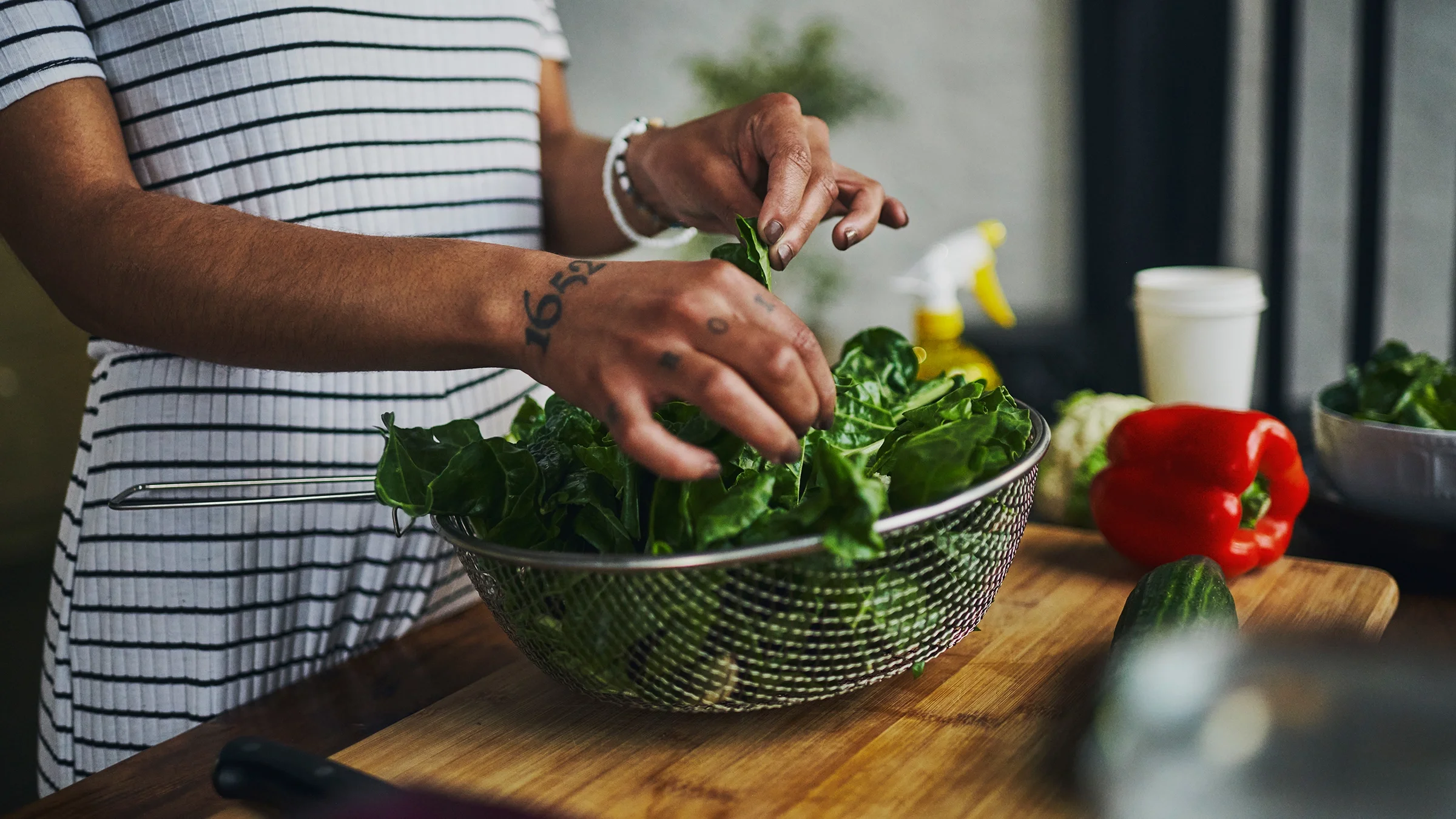
Leafy green vegetables, such as spinach, arugula, and bok choy, contain high levels of nitrates, which your body can convert to nitric oxide. While beet juice does a better job of boosting your body’s nitric oxide count, more people consume salads than beet juice. In fact, leafy greens account for about 80% of the average daily nitrate intake, making them the frontrunner in nitric oxide production.
Studies on whether leafy greens can help lower blood pressure levels have mixed results. Some studies show benefits, while others don’t. Regardless, it’s still recommended to eat leafy greens for their vitamins and antioxidants.
Nuts
Nuts such as walnuts, almonds, and pecans, are high in the amino acid L-arginine, which helps make nitric oxide in your body. Studies show that people who have more L-arginine in their diet also have higher nitric oxide levels in their blood. In addition to nuts, foods such as soy protein, peanuts, and fish are also good sources of L-arginine.
Watermelon
Watermelon contains the amino acid citrulline, which your body can convert into arginine and then into nitric oxide. Studies show that eating watermelon may improve blood flow in the blood vessels due to the citrulline, which ultimately becomes nitric oxide. Watermelon and watermelon seeds may also help improve sperm quality and treat erectile dysfunction.
Meat and poultry
L-arginine is abundant in animal-based proteins such as red meat and poultry, like chicken and turkey. It’s advised to choose fresh meat (like steak and ground beef) rather than processed meats like salami, bologna, and hot dogs. Processed meats often contain nitrites as preservatives. These artificial nitrites are different from those found in vegetables (more on this below). Nitrites in processed meats have been linked to an increased risk of certain cancers, so it’s best to limit your intake.
Why are nitrates from vegetables safer than nitrates from meat?
Nitrates and nitrites are both found in both vegetables and in processed meats. Yet, we encourage people to eat more vegetables and less processed meat. What’s the difference?
Nitrates and nitrites from food can convert into different substances depending on how they react with other molecules. Some of those substances, like nitric oxide, are beneficial. Others, like N-nitroso compounds, are harmful.
When sodium nitrite in processed meat reacts with heme iron and protein, it can form cancer-causing N-nitroso compounds like nitrosamines. Nitrosamines are linked to an increased risk of breast, prostate, and colorectal cancer.
Since vegetables are low in protein and don’t contain heme iron, they don’t cause N-nitroso compounds to form. Instead, they’re likely to form beneficial nitric oxide. Plus, vegetables contain antioxidants, which help block the formation of N-nitroso compounds.
How can you tell if you need more nitric oxide?
You can’t tell if you need more nitric oxide on your own. There isn’t a specific blood test to measure nitric oxide levels. But having any of these health conditions may be a sign that you could benefit from more nitric oxide:
High blood pressure
Heart disease
Poor exercise tolerance
Erectile dysfunction
Talk to your healthcare team about the best plan for you if you think you might benefit from increasing your nitric oxide levels.
Can you have too much nitric oxide?
If you’re eating reasonable amounts of the foods listed above, your body won’t make too much nitric oxide. However, it’s possible to overproduce nitric oxide if you consume high doses of L-arginine supplements or beetroot powder.
Nitrates from foods are usually harmless. But enzymes can convert nitrates into nitrites and nitrosamines, which are linked to cancer.
There are no specific recommended dosages for nitrate or L-arginine supplements. Though it’s worth noting that more than 9 g of arginine per day may cause diarrhea or nausea. The best advice is to focus on nitrate-rich foods instead of supplements unless otherwise recommended by your healthcare team.
Are there other ways to increase nitric oxide?
In addition to eating the foods listed above or taking supplements, you can help increase nitric oxide levels through exercise. Physical activity boosts your body’s ability to naturally make nitric oxide through endothelial cells. All types of exercise are beneficial — from a simple walk to a competitive sport, and everything in between.
The bottom line
Nitric oxide isn’t found in foods, but your body makes it when you eat foods high in nitrates or L-arginine. You can boost your body’s production of nitric oxide by eating foods like beets, leafy greens, and nuts. This is especially important if you have high blood pressure, as nitric oxide helps improve blood flow. Nitric oxide is also good for athletes, since it can boost endurance in sport.

Why trust our experts?




References
Ashor, A. W., et al. (2015). Exercise modalities and endothelial function: A systematic review and dose-response meta-analysis of randomized controlled trials. Sports Medicine.
Bahari, H., et al. (2024). The effects of pomegranate consumption on blood pressure in adults: A systematic review and meta-analysis. Phytotherapy Research.
Bastide, N. M., et al. (2011). Heme iron from meat and risk of colorectal cancer: A meta-analysis and a review of the mechanisms involved. Cancer Prevention Research.
Bondonno, C. P., et al. (2021). Vegetable nitrate intake, blood pressure and incident cardiovascular disease: Danish Diet, Cancer, and Health Study. European Journal of Epidemiology.
Brighenti, E., et al. (2017). Total polyphenols contents in different grapevine varieties in highlands of southern Brazil. EDP Sciences.
Bryan, N. S. (2022). Nitric oxide deficiency is a primary driver of hypertension. Biochemical Pharmacology.
Chazelas, E., et al. (2022). Nitrites and nitrates from food additives and natural sources and cancer risk: Results from the NutriNet-Santé cohort. International Journal of Epidemiology.
Crowe, W., et al. (2019). A review of the in vivo evidence investigating the role of nitrite exposure from processed meat consumption in the development of colorectal cancer. Nutrients.
Crum, E. M., et al. (2017). Multiday pomegranate extract supplementation decreases oxygen uptake during submaximal cycling exercise, but cosupplementation with N-acetylcysteine negates the effect. International Journal of Sport Nutrition and Exercise Metabolism.
Culotta, E., et al. (1992). No news is good news: A startlingly simple molecule unites neuroscience, physiology, and immunology and revises scientists’ understanding of how cells communicate and defend themselves. Science.
Delleli, S., et al. (2023). Does beetroot supplementation improve performance in combat sports athletes? A systematic review of randomized controlled trials. Nutrients.
Domínguez, R., et al. (2017). Effects of beetroot juice supplementation on cardiorespiratory endurance in athletes. A systematic review. Nutrients.
D’Unienville, N. M. A., et al. (2021). Effect of food sources of nitrate, polyphenols, L-arginine and L-citrulline on endurance exercise performance: A systematic review and meta-analysis of randomised controlled trials. Journal of the International Society of Sports Nutrition.
Future Market Insights Inc. (n.d.). Beetroot powder market outlook (2023 to 2033).
Keane, K. M., et al. (2016). Effects of Montmorency tart cherry (Prunus Cerasus L.) consumption on vascular function in men with early hypertension. The American Journal of Clinical Nutrition.
Keane, K. M., et al. (2018). Effects of montmorency tart cherry (L. Prunus Cerasus) consumption on nitric oxide biomarkers and exercise performance. Scandinavian Journal of Medicine and Science in Sports.
Kobayashi, J. (2018). Effect of diet and gut environment on the gastrointestinal formation of N-nitroso compounds: A review. Nitric Oxide.
Kroll, J. L., et al. (2018). Acute ingestion of beetroot juice increases exhaled nitric oxide in healthy individuals. Public Library of Science One.
Lundberg, J. O., et al. (2022). Nitric oxide signaling in health and disease. Cell.
Mirmiran, P., et al. (2016). The association of dietary l-arginine intake and serum nitric oxide metabolites in adults: A population-based study. Nutrients.
National Cancer Institute. (2024). Nitrate.
National Institutes of Health. (2024). Dietary supplements for exercise and athletic performance.
Nieman, D. C., et al. (2024). Beet supplementation mitigates post-exercise inflammation. Frontiers in Nutrition.
Ocampo, D. A. B., et al. (2018). Dietary nitrate from beetroot juice for hypertension: A systematic review. Biomolecules.
Rhim, H. C., et al. (2019). The potential role of arginine supplements on erectile dysfunction: A systemic review and meta-analysis. The Journal of Sexual Medicine.
Rotimi, D. E., et al. (2023). Impact of watermelon (Citrallus lanatus) on male fertility. JBRA Assisted Reproduction.
Serreli, G., et al. (2023). Role of dietary polyphenols in the activity and expression of nitric oxide synthases: A review. Antioxidants.
Shakil, M. H., et al. (2022). Nitrites in cured meats, health risk issues, alternatives to nitrites: A review. Foods.
Smeets, E. T. H. C., et al. (2022). Effects of l-citrulline supplementation and watermelon consumption on longer-term and postprandial vascular function and cardiometabolic risk markers: A meta-analysis of randomised controlled trials in adults. British Journal of Nutrition.
Sundqvist, M. L., et al. (2020). A randomized clinical trial of the effects of leafy green vegetables and inorganic nitrate on blood pressure. The American Journal of Clinical Nutrition.
Van der Avoort, C. M. T., et al. (2020). A nitrate-rich vegetable intervention elevates plasma nitrate and nitrite concentrations and reduces blood pressure in healthy young adults. Journal of the Academy of Nutrition and Dietetics.
Viribay, A., et al. (2020). Effects of arginine supplementation on athletic performance based on energy metabolism: A systematic review and meta-analysis. Nutrients.
Xie, Y., et al. (2023). N-nitrosamines in processed meats: Exposure, formation and mitigation strategies. Journal of Agriculture and Food Research.