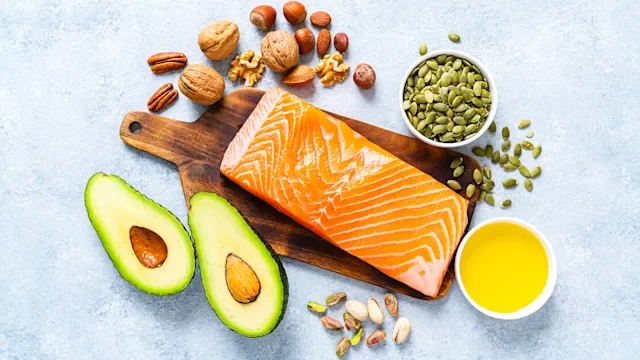
What, when, and how you eat can have noticeable effects on your energy levels throughout the day. Learn more about how to build a diet that improves energy here.
References
Abbaspour, N., et al. (2014). Review on iron and its importance for human health. Journal of Research in Medical Sciences.
Armstrong, L. E., et al. (2018). Water intake, water balance, and the elusive daily water requirement. Nutrients.
Bird, J. K., et al. (2017). Risk of deficiency in multiple concurrent micronutrients in children and adults in the United States. Nutrients.
Breymeyer, K. L., et al. (2016). Subjective mood and energy levels of healthy weight and overweight/obese healthy adults on high-and low-glycemic load experimental diets. Appetite.
Cena, H., et al. (2020). Defining a healthy diet: Evidence for the role of contemporary dietary patterns in health and disease. Nutrients.
Centers for Disease Control and Prevention. (2020). Caffeine & long work hours.
Centers for Disease Control and Prevention. (2022). Dietary guidelines for alcohol.
Chakravorty, S., et al. (2014). Daytime sleepiness: Associations with alcohol use and sleep duration in Americans. Sleep Disorders.
Conner, T. S., et al. (2017). Let them eat fruit! The effect of fruit and vegetable consumption on psychological well-being in young adults: A randomized controlled trial. PLOS One.
de Vries, J. D., et al. (2016). Exercise as an intervention to reduce study-related fatigue among university students: A two-arm parallel randomized controlled trial. PLoS One.
Garcia, M. (2021). Eating fruit to help stay hydrated. Michigan State University Extension Food & Health.
Howson, C. P., et al. (1998). Prevention of iron deficiency. Prevention of Micronutrient Deficiencies: Tools for Policymakers and Public Health Workers.
Institute for Quality and Efficiency in Health Care. (2018). How can I get enough iron? InformedHealth.org.
Monteiro, C. A., et al. (2019). Ultra-processed foods, diet quality, and health using the NOVA classification system. Food and Agricultural Organization of the United Nations.
National Health Service. (2019). Dehydration.
National Health Service. (2019). The eatwell guide.
National Institutes of Health. (2007). Information about alcohol. NIH Curriculum Supplement Series.
National Research Council. (1989). Recommended dietary allowances: 10th edition.
Nieman, D. C., et al. (2012). Bananas as an energy source during exercise: A metabolomics approach. PLOS One.
Pagliai, G., et al. (2020). Nutritional interventions in the management of fibromyalgia syndrome. Nutrients.
Paoli, A., et al. (2019). The influence of meal frequency and timing on health in humans: The role of fasting. Nutrients.
Parva, N. R., et al. (2018). Prevalence of vitamin D deficiency and associated risk factors in the US population (2011-2012). Cureus.
Pietiläinen, K. H., et al. (2011). Does dieting make you fat? A twin study. International Journal of Obesity.
Rizzo, G., et al. (2016). Vitamin B12 among vegetarians: Status, assessment and supplementation. Nutrients.
Tardy, A. L., et al. (2020). Vitamins and minerals for energy, fatigue and cognition: A narrative review of the biochemical and clinical evidence. Nutrients.
Ward, E. (2014). Addressing nutritional gaps with multivitamin and mineral supplements. Nutrition Journal.
Wells, A. S., et al. (1997). Influences of fat and carbohydrate on postprandial sleepiness, mood, and hormones. Physiology & Behavior.

Why trust our experts?