Key takeaways:
Eating healthy while you travel often requires some research and preparation. You might scout local grocery stores and look at the menus of nearby restaurants before you go.
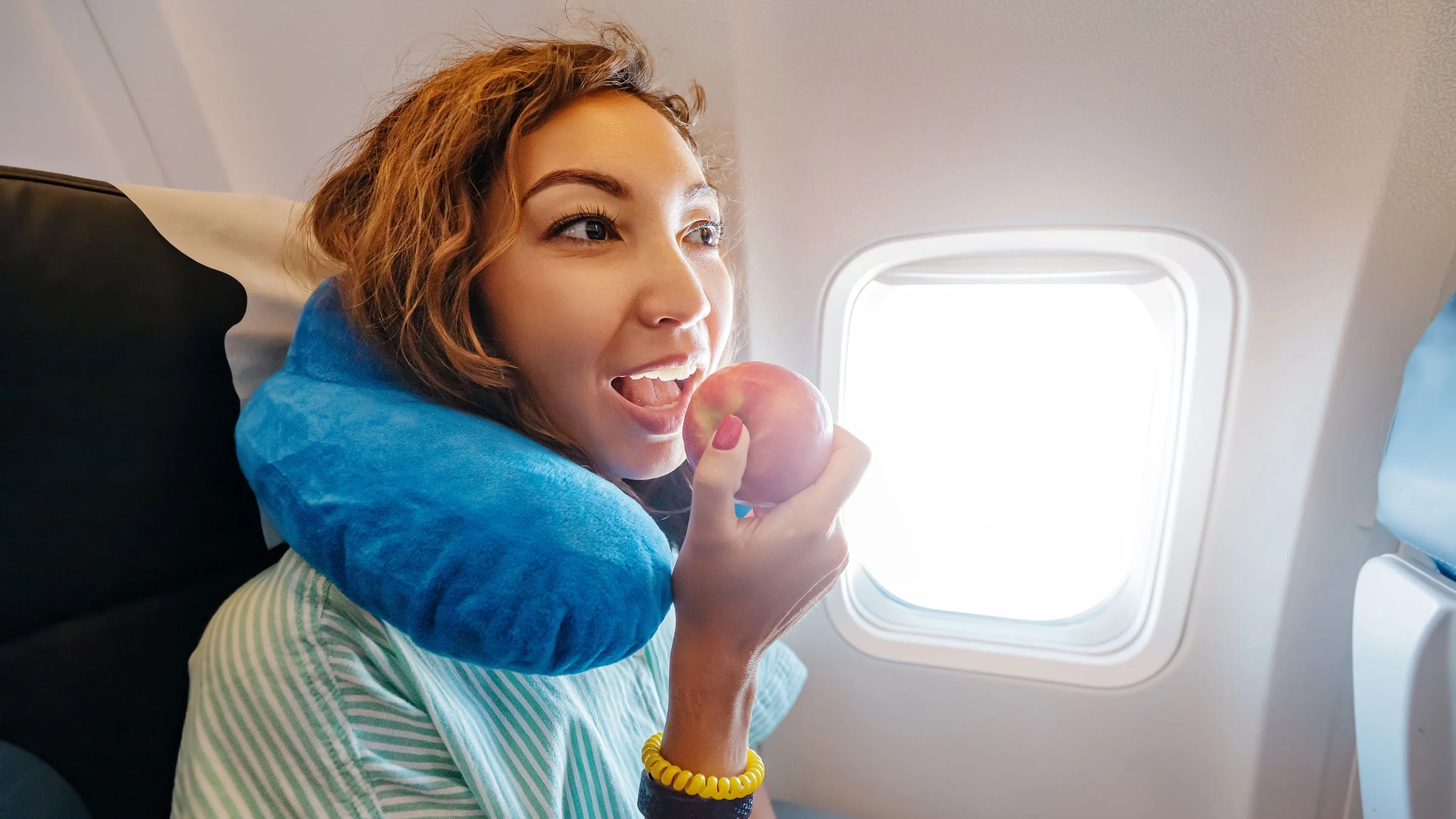
Nutritionists also recommend packing snacks, bringing a reusable water bottle, and choosing protein- and fiber-rich foods to help you feel full and satisfied.
Ultimately, part of the fun of travel is experiencing new cuisines. So don’t let the stress of sticking to a specific diet affect your vacation.
One of the benefits of traveling is getting out of your normal routine. But that can often mean overindulging in foods that aren’t necessarily in line with your health goals. Following some tips on how to eat healthy while you travel can help keep you on track without making it feel like you’re missing out.
1. Pack nourishing snacks
You may not have full control over all of your food choices when traveling, but you can prepare for snack time. Registered dietitian Mia Syn, MS, RDN recommends planning ahead and stocking up on nutritious snacks. This way you’ll have some smart options on hand when you get hungry.
“Focus on protein and fiber at snack time. This combination will help keep you energized and satiated, without ruining your appetite for your next meal,” Syn told GoodRx Health.
Some non-perishable options include:
Nuts or nut butter
Whole fruit or unsweetened dried fruit
Whole-grain crackers
Air-popped popcorn
String cheese
Roasted chickpeas
2. Take a reusable water bottle
Staying hydrated is crucial. “Proper hydration helps maintain energy levels, supports immune function, and helps aid healthy digestion,” said Syn. Dehydration can also make jet lag worse, she added.
Syn recommends packing a reusable water bottle that you can refill at the airport, restaurants, and when you reach your destination. On that note, opt for water as your go-to beverage when you can. It doesn’t contain any added sugar, which many other drinks do. Limiting caffeinated and alcoholic beverages is also a good idea, since they can interfere with your sleep. Alcohol is also dehydrating.
3. Ask for access to a fridge and microwave
If you're staying at a hotel, it's always worth asking if refrigerators or microwaves are available. This can make it easier to store and reheat your own meals. It can also give you more control over your food choices and open up more options for healthy eating.
If you can’t get a fridge or microwave in your room, registered dietitian Danielle Venhuizen, RDN, says there may be certain areas where you can prepare or store simple meals. Her advice?

Read more like this
Explore these related articles, suggested for readers like you.



“Just ask! The hotel staff are there to help and they’re often happy to accommodate,” Venhuizen told GoodRx Health.
4. Scout a local grocery store
If you’re staying somewhere with cooking facilities and a refrigerator, you can buy some fresh produce and lean proteins from a local grocery store. This not only ensures you’re getting a balance of nutrients, but can also be a more cost-effective way to eat healthily while traveling.
“A grocery store can [also] be a perfect place to stock up on some quick breakfast options that you can easily prepare in your hotel room,” said Venhuizen. “Staples such as oatmeal, granola bars, or even cereal with shelf-stable milk are quick and easy options that are budget-friendly as well.”
5. Start your day with breakfast
Starting the day with a healthy breakfast packed with protein and fiber can help fuel you during your activities, says Venhuizen. She adds that eating a nutritious breakfast may also make you more likely to make more nutritious choices in general. On top of that, eating breakfast can help you meet your nutrient needs and better achieve a balanced diet.
If you don’t have access to a healthy breakfast place, Venhuizen recommends stocking your hotel room up with easy breakfast foods. Here are some options that can help you hit the ground running:
6. Make your meals balanced
When eating out, Syn recommends choosing meals that include a balance of lean protein, fiber-rich carbohydrates, and vegetables. This can help you get a variety of nutrients and feel satisfied.
“Opt for grilled, steamed, or baked dishes rather than fried ones to reduce the amount of unhealthy fat in your meals. And don’t be shy about loading up on vegetables, whether in salads, side dishes, or as part of your main course,” she added.
7. Bring home leftovers
One of Venhuizen’s biggest tips is to take advantage of leftovers when eating out on a trip.
“If you have a fridge in your accommodations, as most hotels do, pack up half your meal and take it back with you,” she said. “Those leftovers not only keep you from overeating, but they could make a perfect breakfast or lunch the next day.”
Eating your leftovers also helps reduce food waste.
8. Research food options beforehand
Your favorite review app can be your best friend when trying to plan healthy meals while traveling. Venhuizen recommends searching the areas you plan to visit and reading menus and restaurant reviews ahead of time.
“This will also take the headache out of choosing places to eat [while you are] away,” she said.
As an added bonus, researching local restaurants can help you discover new dishes and cuisines.
9. Enjoy yourself
These tips can help you feel your best when traveling. But there’s something to be said for indulging a little bit and not getting caught up in diet culture. Traveling is an excellent opportunity to experience food and cuisine that you may not get to try otherwise.
An underestimated way to reduce your stress levels is to accept that your diet on vacation may look different from your usual pattern. You can always get back on track when you get home. After all, building room for foods you enjoy without guilt is a hallmark of a sustainable diet.
Other ways stay healthy and energized while on vacation
Food is important, but it’s not the only thing that matters. Here are some other ways you can stay healthy and energized while you’re on vacation:
Walk everywhere, if it’s safe to do so. Walking on vacation has several health benefits. It can contribute to weight management, better sleep, and heart health, according to Syn. Plus, it can reduce stress, improve mental well-being, and allow you to immerse yourself in the local culture.
Get enough sleep. Traveling can throw off your internal clock and cause jet lag. Sufficient, quality sleep can help maintain your energy levels. “Aim for a consistent sleep schedule, with plenty of rest as needed in between all the fun and festivities,” said Syn.
Limit cell phone use. Cutting back on screen time can give you a mental health break and allow you to spend more time in the moment.
Talk with a provider about any specific recommendations for your health before you travel. This way, you’re prepared with any medications, paperwork, or vaccinations you may need to best manage your health while away from home.
The bottom line
While traveling is a good opportunity to immerse yourself in different foods and cultures, that doesn’t mean you can’t make healthy choices. Noshing on healthy snacks, prioritizing fiber and protein, and staying hydrated can help you feel your best in between indulging.
Keep in mind that even with these tips, your vacation diet will likely look different than your normal routine — and that’s OK. The goal is to make mostly healthy choices without stressing about it too much.

Why trust our experts?




References
Better Health Channel. (2023). Breakfast. Department of Health, State Government of Victoria, Australia.