Alternative Treatments: Your GoodRx Guide


Complementary and alternative medicine (CAM) are treatments and health practices that are not part of conventional medical care. Here’s a simple breakdown:
Complementary or integrative medicine is when these treatments are used together with conventional medicine to support health.
Alternative medicine is when these same treatments are used in place of conventional medicine.
Many CAM therapies have roots in ancient traditions. But they’re not all tested and studied in the same way as standard medical treatments. There are different categories of alternative treatment, including:
Mind-body therapies
Manipulative therapies
Energy therapy
Diet and herbal therapy
Alternative whole-body approaches


Search and compare options
Mind-body therapy uses the connection between the brain and body to improve physical and mental well-being. People often use mind-body therapy to help manage pain as well as reduce stress and anxiety. Some of the most common forms of mind-body therapy are:
Meditation: Meditation is the practice of connecting with and calming the mind. Meditation techniques include focusing on your breath or a repeated word or phrase.
Yoga: Yoga is a spiritual practice that’s rooted in ancient Indian philosophy. Yoga combines physical movements or poses, breathing techniques, and meditation.
Tai chi: Tai chi is a type of Chinese martial art that promotes health through movement, meditation, and breathing.
Biofeedback: Biofeedback teaches awareness of how the body reacts to stress. People use biofeedback to control their response to stress.
Hypnosis: Hypnotherapy uses guided relaxation and visualization techniques to help people change behaviors.
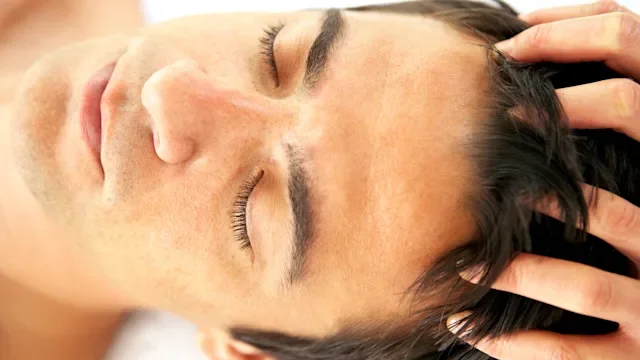
Manipulative therapies are “hands-on” treatments. Types of manipulative therapy include:
Osteopathic manipulative medicine (OMM): OMM uses pressure and manipulation to promote health.
Reflexology: Reflexology uses gentle pressure to help release tension. Putting pressure on specific points of the hands and feet relieves stress in other parts of the body.
Massage: During a massage, a therapist relaxes muscles. This relieves pain and reduces stress.
Chiropractic: Chiropractic practitioners use hands-on therapy to improve the function of bones, muscles, and joints.
Energy therapies balance your energy flow. Energy therapy focuses on letting energy fields move freely throughout the body. Examples include:
Reiki: Reiki is a traditional Japanese healing practice. It focuses on balancing energy fields in the body.
Electromagnetic therapy: Electromagnetic therapy uses electrical currents to create magnetic fields. These currents create energy and help with movement and pain relief.
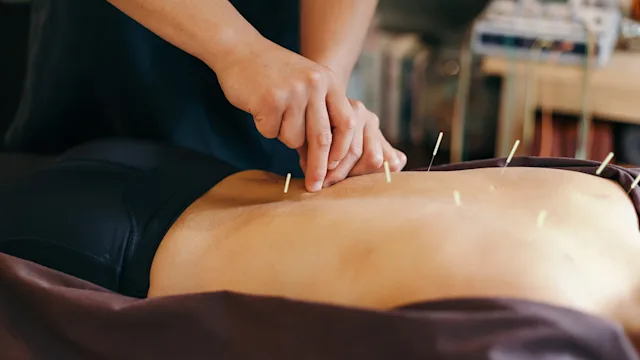
Acupuncture: Traditional acupuncture is an ancient Chinese practice. An acupuncturist places thin needles on the body to improve the flow of vital energy (qi).
Diet and herbal therapies focus on how specific additions to diet can promote health and well-being:
Vitamins and minerals: Most people can get the vitamins and minerals they need through a healthy diet. Some people add extra vitamins and minerals to improve physical and mental well-being.
Dietary supplements: Dietary supplements include vitamins, minerals, herbs, or amino acids. Some people take supplements to prevent or treat disease.
Herbal medicine: Herbal medicine is a traditional practice that uses plants (or botanicals) to prevent disease and promote health.
Alternative medicine systems are entire health practices that include many different treatments. Examples include:
Naturopathy: Naturopathic practitioners use therapies like nutrition, supplements, and homeopathy to promote health.
Homeopathy: Homeopathy uses small doses of medicines to treat illness.
Traditional cultural practices: Millions of people have used traditional practices for thousands of years to promote well-being. Some of the best studied examples are Ayurvedic medicine and traditional Chinese medicine.
Scientists are studying how to use complementary and alternative medicine (CAM) with standard medical care. The National Center for Complementary and Integrative Health funds research into CAM.
You can learn more about research on CAM at the Cochrane Library. They have a page dedicated to studies on complementary medicine.
There are also ongoing clinical trials in CAM. You can learn more about them at ClinicalTrials.gov.
There’s not a lot of research on some CAM therapies. There are studies on chiropractic, acupuncture, meditation, yoga, and tai chi. And the research is not clear that these therapies work for everyone.
If you’re considering complementary and alternative medicine, look at the National Center for Complementary and Integrative Health website. You can find more information on research about the therapies that interest you.
There’s not a lot of research on some CAM therapies. There are studies on chiropractic, acupuncture, meditation, yoga, and tai chi. And the research is not clear that these therapies work for everyone.
If you’re considering complementary and alternative medicine, look at the National Center for Complementary and Integrative Health website. You can find more information on research about the therapies that interest you.
Just like standard medical treatment, CAM therapies have risks and benefits. Here are some of the possible risks:
You may miss out on the benefits of standard therapy if you use an unproven treatment instead of standard medical care.
Supplements may have interactions with prescription drugs.
High doses of vitamins or herbal medicines can cause unwanted side effects.
Herbs and dietary supplements may contain contaminants.
Here are some ways you can find complementary and alternative therapy practitioners near you:
Ask your healthcare provider for a referral to a CAM practitioner.
Check your nearest medical center. Many hospitals have centers for integrated medicine.
Look for information provided by state licensing boards. Some complementary medicine practitioners are licensed by their state boards.
Insurance may not cover complementary or alternative medicine. A study in 2012 showed that health insurance did not cover many CAM therapies. All health insurance plans in the U.S. are different. You can call your insurance company to find out if they cover CAM therapies.
American Association of Colleges of Osteopathic Medicine. (n.d.). Osteopathic manipulative medicine (OMM) explained.
American Association of Naturopathic Physicians. (2011). Principles of naturopathic medicine.

Prescription savings
Stop paying too much for your prescriptions. Compare prices, get pharmacy coupons, and save up to 80%. Find expert answers to your health questions so you can make the best decisions for yourself and your family.
Health conditions
Medications & treatment
Access & affordability
 Our monthly healthcare membership can help you save thousands on your prescription costs.
Resources