



7 Statin Alternatives You Can Take to Help Lower Your Cholesterol
Statins may not be safe and effective for all people with high cholesterol. Some statin alternatives, like fibrates, may be able to help. Review your options here.
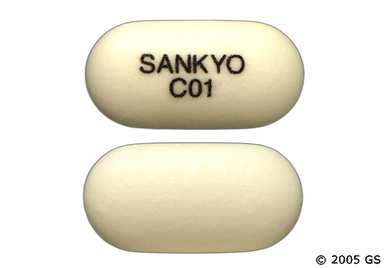
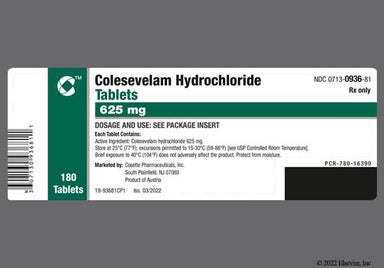
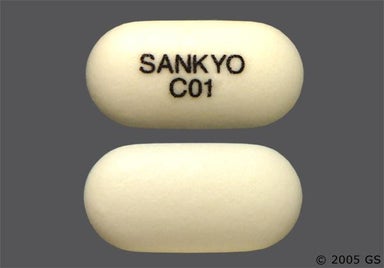
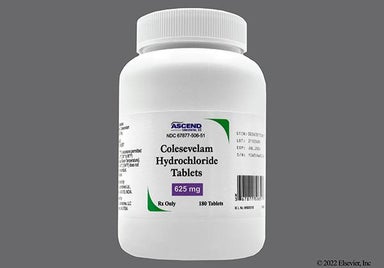
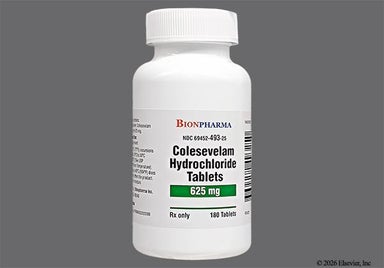
Colesevelam (Welchol) is used to lower "bad" cholesterol in the blood in adults and children as young as 10 years old. It can also be used to lower blood sugar in adults with Type 2 diabetes. The medication should be used along with a balanced diet and exercise for it to work as best as possible. The dosage is typically taken once or twice per day. Common side effects include constipation and indigestion.

Add-on to diet and exercise for the treatment of:
Colesevelam (Welchol) is a bile acid sequestrant. It works by attaching to bile acid in your intestines to prevent it from being absorbed into your body. This causes your liver to turn the cholesterol in your body into bile acid to replace what couldn't get absorbed. As a result, the amount of cholesterol in your body drops.
Colesevelam (Welchol) can also help lower blood sugar in adults with Type 2 diabetes. It's not exactly known how it works. But it's thought to work by raising the levels of a protein called glucagon-like peptide 1 (GLP-1) that releases insulin.
| Common Brands | Welchol |
|---|---|
| Drug Class | Bile acid sequestrant |
| Controlled Substance Classification | Not a controlled medication |
| Generic Status | Lower-cost generic available |
| Availability | Prescription only |

The following side effects may get better over time as your body gets used to the medication. Let your healthcare provider know immediately if you continue to experience these symptoms or if they worsen over time.
Contact your healthcare provider immediately if you experience any of the following.
Side effects that you should report to your care team as soon as possible:
Side effects that usually do not require medical attention (report these to your care team if they continue or are bothersome):




Colesevelam (Welchol) can cause some serious health issues. This risk may be even higher for certain groups. If this worries you, talk to your doctor or pharmacist about other options.
Colesevelam (Welchol) can make your blood triglyceride levels rise, which can lead to pancreatitis (swelling of the pancreas). This pancreas problem can cause symptoms like nausea, vomiting, and stomach pain that spreads to your back. Stop taking colesevelam (Welchol) and get medical help right away if you experience these symptoms during treatment.
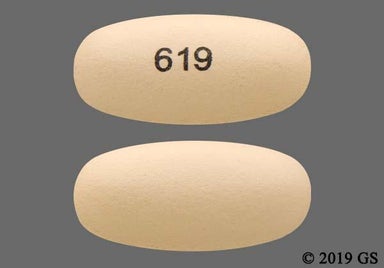
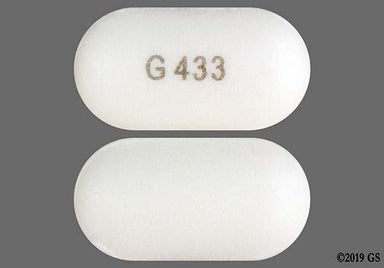
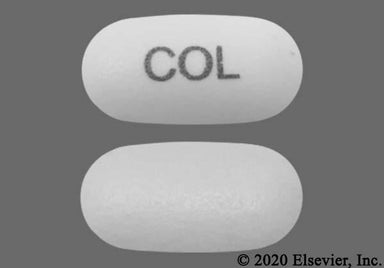
Some people taking colesevelam (Welchol) have experienced stomach or intestinal blockage. Ask your provider whether colesevelam (Welchol) is right for you if you have constipation or other digestive tract problems. Since the tablets are quite big, it might be safer to use the powder for suspension if you have trouble swallowing to lower your risk of choking. Let your provider know right away if you have severe stomach pain, new or worsening constipation, blood in your stool, vomit that looks like coffee grounds, or other severe gut symptoms while you're taking colesevelam (Welchol).
Colesevelam (Welchol) might lower how well your body absorbs certain vitamins (A, D, E, and K). Your provider might recommend that you take supplements to keep your vitamin levels healthy. But make sure you take them at least 4 hours before colesevelam (Welchol) so the medication doesn't interfere with the vitamins.
Colesevelam (Welchol) can lower how well your body absorbs other medications. It's possible that this can affect how well these other medications work for you. These medications can include birth control pills and thyroid medications. Make sure to take other medications by mouth at least 4 hours before you take colesevelam (Welchol) to avoid interactions.
Powder packets of colesevelam (Welchol) from certain manufacturers can contain phenylalanine, a component of the artificial sweetener aspartame. If you have a genetic condition called phenylketonuria (PKU), taking this form of the medication can be dangerous for you. Ask your pharmacist if you're not sure whether the powder packets from the manufacturer you have is safe for you. There are other manufacturers that make the medication in a formulation that might be safer for you.


Contraindications are specific health conditions or situations in which a person should not take a medication due to safety concerns. If you have any of the following conditions or if any of the following apply to you, let your healthcare provider know because Colesevelam (Welchol) will not be safe for you to take.




Prescription savings
Stop paying too much for your prescriptions. Compare prices, get pharmacy coupons, and save up to 80%. Find expert answers to your health questions so you can make the best decisions for yourself and your family.
Health conditions
Medications & treatment
Access & affordability
Medication discounts

A small study showed that Colesevelam might help with diarrhea in people with irritable bowel syndrome (IBS). But Colesevelam isn't FDA-approved for this purpose and should only be used for diarrhea if a provider specifically says it's safe to do so. Speak with your provider about your options to relieve diarrhea.
Colesevelam doesn't get absorbed into your body. When you take Colesevelam, it works in your digestive tract (stomach and intestines) where it attaches to bile acid. Once attached to the bile acid, the medication-bile acid mixture is removed from your digestive tract in your stool.
No, Colesevelam is a bile acid sequestrant, not a statin. Bile acid sequestrants and statins are two completely different classes of medications. While both lower "bad" cholesterol (LDL), they do so in different ways. In fact, it's possible for someone to take both Colesevelam and a statin together.
It isn't completely clear whether Colesevelam causes weight changes. Studies show that people taking Colesevelam had small weight changes, ranging from an average loss of 1 pound to an average gain of 2 pounds. But keep in mind that these weight changes could've been from other factors, like better cholesterol or blood sugar control or from other medications. Speak with your provider if you notice any unusual changes in weight while you're taking Colesevelam so they can help figure out what's going on.
It depends on the medication. Colesevelam can interact with several medications and affect how well they work. But you can avoid most Colesevelam drug interactions by separating when you take your other medications and Colesevelam by at least 4 hours. Some examples of medications that you should take at least 4 hours before Colesevelam include glipizide, birth control pills, thyroid medications like levothyroxine (Synthroid), and vitamin supplements. Make sure to tell your provider and pharmacist about all the medications you're taking before and during treatment with Colesevelam.
No. The manufacturer says that Colesevelam should be taken with food. It's possible that taking it with food can help lessen or ease stomach side effects from the medication.
No, Colesevelam tablets should be swallowed whole. If you're having trouble swallowing the tablets, ask your provider about switching you to the powder for oral suspension form. The powder form of the medication might be easier to take since you stir the powder into a liquid and drink the mixture.
